How to Prune Hispid starburr?
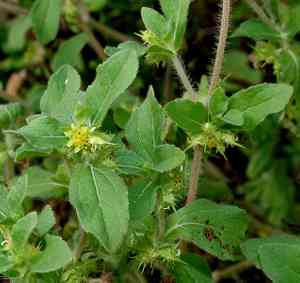
A prickly yearly plant featuring vibrant yellow blossoms, hispid starburr flourishes in diverse settings. Trim to control expansion, preserve form, and enhance airflow. Sever offshoots and shorten excessively long branches, steering clear of the central stalk to avert harm. Optimal periods for trimming span from spring through autumn, aligning with periods of vigorous development. Pruning deters excessive density and encourages robust leaves, boosting hispid starburr's aesthetic appeal and diminishing areas for unwanted organisms.
Advantages of Trimming Hispid Starburr
Advantages of Trimming Hispid Starburr
Trimming hispid starburr promotes more robust development, fostering a healthier plant architecture. Consistent shaping helps maintain its desired form, preventing excessive growth and enhancing its visual appeal.
Optimal Time for Trimming Hispid Starburr
Optimal Time for Trimming Hispid Starburr
The best periods for pruning hispid starburr are Spring, Summer, and Fall. Pruning in Spring allows for the removal of any winter-damaged branches and stimulates new growth as the plant enters its active growing phase. Summer pruning can help manage the plant's shape and size and may also improve air circulation through the plant, which is crucial for health and vigor. Fall pruning is beneficial for removing dead or diseased foliage and preventing potential fungal growth and other ailments that can occur during the cooler, wetter conditions of winter. Pruning during these seasons aligns with hispid starburr's growth cycle and helps maintain its health and productivity, avoiding the stress on the plant that winter pruning could cause.
Tools Required for Pruning Hispid Starburr
Hand Pruners
Perfect for cutting through hispid starburr's slender stems and managing its overall shape. Ergonomically designed hand pruners enhance comfort and efficiency during the pruning process.
Gloves
Protective gloves are essential due to hispid starburr's rough, bristly texture, helping to prevent skin irritation and providing a better grip on the pruning tools.
Loppers
Useful for reaching deeper into hispid starburr if it has grown densely and for cutting thicker branches that hand pruners cannot handle comfortably.
Pruning Saw
In cases where hispid starburr has woody, thick branches, a pruning saw is crucial for clean cuts without damaging the plant.
Safety Glasses
Since hispid starburr may have bristly parts that can dislodge, it is vital to wear safety glasses to protect the eyes during the pruning process.
How to Prune Hispid Starburr
Clean Tools
Before pruning hispid starburr, sterilize your pruning tools with a solution of one part bleach to nine parts water to prevent the spread of disease.
Identify
Locate the withered leaves on hispid starburr that need to be removed. Distinguish them by their discolored, dry, or crispy appearance.
Snip Withered Leaves
Use sharp pruning shears to make clean cuts to remove the withered leaves from hispid starburr. Cut close to the base of the leaf where it meets the stem, without damaging the healthy parts.
Dispose
Carefully dispose of the withered leaves after pruning hispid starburr to prevent any potential spread of pests or diseases that could be present on the dead material.
Post Prune Care
After pruning hispid starburr, water the plant if the soil is dry and monitor the plant for signs of new growth or any signs of stress.
Common Pruning Mistakes with Hispid Starburr
Over-Pruning
Removing too much foliage can stress hispid starburr, hindering its growth and vitality.
Blunt Tools
Using dull or unclean pruning tools can damage the stems of hispid starburr, leading to poor healing and increased susceptibility to diseases.
Improper Cuts
Incorrect cutting angles or locations can result in damage to hispid starburr's main structures, which may impede future growth or cause dieback.
Neglecting Deadhead
Failing to remove spent blooms can prevent hispid starburr from directing energy towards new growth and flowering.
Common Pruning Tips for Hispid Starburr
Sharp Tools
Utilize sharp and sterile pruning shears to make clean cuts on hispid starburr, reducing the risk of disease and promoting quick healing.
Strategic Cutting
Prune hispid starburr by making cuts above leaf nodes or branching points to encourage bushier growth and more blooms.
Health Inspection
Regularly inspect hispid starburr for signs of disease or pests before pruning, and remove any affected areas promptly to maintain plant health.
Conservative Approach
Adopt a conservative approach by pruning no more than one-third of hispid starburr's overall foliage in a single session to avoid stress and shock.



