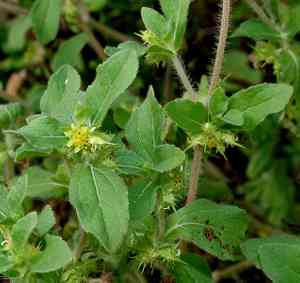
Hispid starburr (Acanthospermum hispidum)
Also known as: Bristly starbur, Bindii
The plant in question is the **buffalo bur** (*Solanum rostratum*). This species has spread globally and is often deemed a weed in various regions due to its tendency to invade cotton fields. Known for its spiky fruits, which can cause injury to livestock by sticking to their fur, the buffalo bur is a significant agricultural nuisance.
In This Article
Attributes of Hispid starburr
Lifespan
Annual, Perennial
Plant Type
Herb
Plant Height
35 cm to 55 cm
Spread
N/A
Leaf Color
Green
Flower Size
6 mm
Flower Color
Yellow Green
Images of Hispid starburr
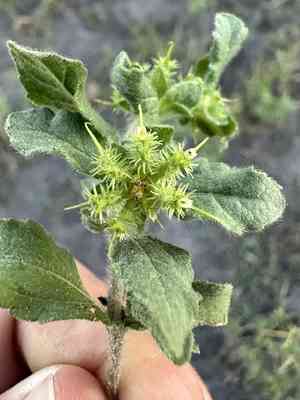
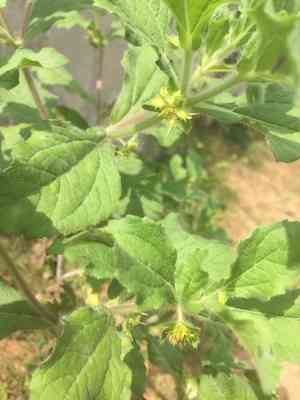
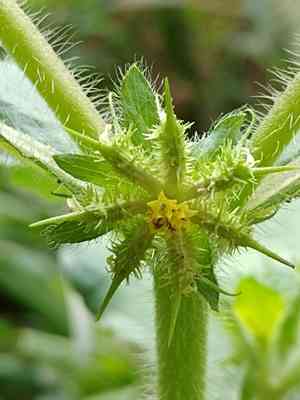
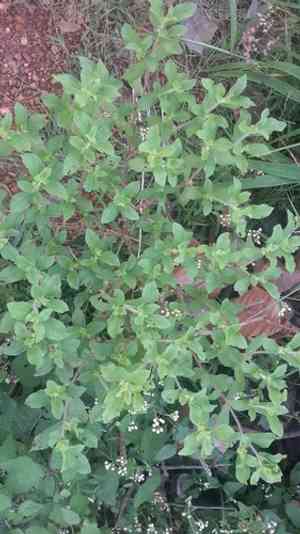
Quickly Identify Hispid starburr
1
Recognizable by its bristly stems and leaves, small yellow flowers, and distinct star-shaped seed pods.
Scientific Classification of Hispid starburr
Phylum
Vascular plants
Class
Dicotyledons
Order
Asterales
Family
Daisy
Genus
Starburs
Species
Hispid starburr
Planting and Growing of Hispid starburr
Care Difficulty
Hard
Watering Schedule
Every 2 days
Sunlight Requirements
Full sun
Sunshine Duration
6-10 hours
Ideal Temperature
68-77℉
Soil Type
Potting Mix, Peat Mix
Soil pH
6.5-7.5
Fertilizer Type
Balanced
Pruning Season
Spring, Summer
Pruning Area
Branches, Leaves
Pruning Frequency
2 times a year
Repotting Season
Spring
Pot Type
Terracotta, Plastic
 How to Water Hispid starburr?
Acanthospermum hispidum, commonly known as bristly starbur, thrives with a watering regimen that ensures the soil is adequately moist but never waterlogged. Typically, 300ml of water per session is appropriate, allowing the soil to dry out slightly between sessions to prevent root rot.
What are the symptoms of an underwatered Hispid starburr?
›
What should I do if my Hispid starburr is not getting enough water?
›
What are the symptoms of an overwatered Hispid starburr?
›
How to save an overwatered Hispid starburr?
›
 What Are the Sunlight Requirements for Hispid starburr?
The ideal light range for Acanthospermum hispidum is full sun exposure. This lighting fosters optimal photosynthesis, enhancing growth rate, plant health, and overall vitality.
Optimal Sun Exposure
›
Shading Solutions
›
Seasonal Adjustments
›
 What Is the Ideal Temperature Range for Hispid starburr?
The ideal temperature range for cultivating Acanthospermum hispidum is between 68°F and 77°F. This range provides optimal conditions for growth, ensuring proper metabolic function and maximizing the plant's ability to photosynthesize efficiently.
 What Soil is Best for Hispid starburr?
Acanthospermum hispidum thrives in soil that provides excellent drainage. Poor drainage can lead to root rot, compromising the plant's health. Ensuring the soil allows water to percolate easily is beneficial for the plant's growth. This plant flourishes in nutrient-rich soil, offering it essential elements for vigorous growth. Supplementing with organic matter or compost can enhance nutrient availability and promote robust development. Acanthospermum hispidum prefers soil with moderate moisture levels, neither too dry nor overly wet. This balance helps maintain optimal conditions for root health and nutrient uptake, ensuring strong plant vitality.
 How to Fertilize Hispid starburr?
For Acanthospermum hispidum, it is important to use a balanced fertilizer. A general guideline is to apply a 10-10-10 NPK liquid fertilizer at half-strength. This means if the instructions suggest 1 teaspoon per gallon of water, use half. It helps this plant grow without risking over-fertilization.
 How to Prune Hispid starburr?
Begin by removing any dead, damaged, or diseased stems and leaves by cutting them back to their origin. This helps prevent the spread of disease and redirects the plant’s energy to healthier parts. After dealing with any unhealthy sections, move on to shaping the plant. Make cuts just above a node (where leaves attach) to stimulate growth in a particular direction. This encourages bushiness and helps maintain the desired appearance. While Acanthospermum hispidum can be pruned in summer, avoid heavy trimming during exceptionally hot periods. This can stress the plant due to high temperatures. Instead, opt for light maintenance cuts.
More About Pruning Techniques→
 How to Propagate Hispid starburr plant?
1
Start by selecting a well-draining potting mix. Fill your seed tray or pots with the soil, leaving a bit of space at the top. This ensures that the seeds have the right environment for germination.
2
Place the seeds evenly across the surface of the soil. Cover them lightly with a thin layer of soil and water gently. Ensure the seeds remain moist but not waterlogged during germination.
3
Use pruning shears to take healthy cuttings of approximately 4-6 inches from the plant. Remove leaves from the lower half and dip the end in rooting hormone to encourage root growth.
 How to Repot Hispid starburr plant?
1
It's time to repot Acanthospermum hispidum when you notice roots swirling at the pot's base or the plant showing stunted growth. These signs indicate the plant has outgrown its current home and needs more space to continue thriving.
2
Opt for a pot slightly larger than the current one, ensuring it has ample drainage holes. A clay pot is beneficial as it helps wick away excess moisture, preventing root rot while providing enough space for growth.
3
Select a well-draining soil mix to prevent waterlogging. A sandy-loam mixture enriched with organic matter supports robust root development and provides the essential nutrients for the plant's continued health.
Toxicity
Ingestion
WARNING
The judgment on toxicity and danger is for reference only. We DO NOT GUARANTEE any accuracy of such judgment. Therefore, you SHALL NOT rely on such judgment. It is IMPORTANT TO SEEK PROFESSIONAL ADVICE in advance when necessary.



