How to Transplant California copperleaf?
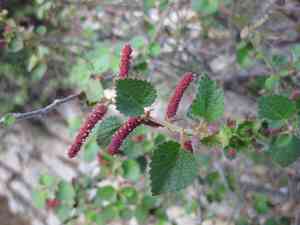
California copperleaf flourishes most effectively when relocated from the beginning of spring through its later stages, owing to ideal ground temperature and humidity. Select a bright, adequately draining spot. Verify that the earth is rich to foster robust development.
What Preparations are Needed Before Transplanting California Copperleaf?
What is the Ideal Time for Transplanting California Copperleaf?
The optimal period to relocate california copperleaf is from early to mid-spring, when conditions are perfect for root development. This timeframe ensures california copperleaf benefits from increasing daylight and moderate temperatures, fostering vigorous growth and minimizing transplant shock. Moving it during this season supports strong development and enhances the plant's resilience for the upcoming growing cycle.
How Much Space Should You Leave Between California Copperleaf Plants?
For california copperleaf, ensure plants are spaced approximately 24-36 inches (60-90 cm) apart. This provides ample room for growth and adequate air circulation, decreasing the likelihood of diseases.
What is the Best Soil Mix for California Copperleaf Transplanting?
Prepare well-draining soil enriched with organic matter such as compost. A balanced base fertilizer, like 10-10-10, incorporated into the soil can offer a good nutritional start for california copperleaf.
Where Should You Relocate Your California Copperleaf?
California copperleaf thrives in full sunlight, so select a location where it will receive at least 6-8 hours of direct sun daily. This aids in the plants' strong and healthy development.
What Equipments Should You Prepare Before Transplantation California Copperleaf?
Gardening Gloves
To safeguard your hands while handling soil and plants.
Hand Trowel
For excavating small holes and gently lifting the plant.
Shovel or Spade
To dig larger holes and trenches, especially when extracting plants from the ground.
Watering Can or Hose
For hydrating the plant before and after its relocation.
Pruners
To trim any damaged or excess roots and foliage.
Wheelbarrow
Useful for moving the plant and other materials.
How Do You Remove California Copperleaf from the Soil?
How Do You Remove California Copperleaf from the Soil?
From Pot: First, water the california copperleaf plant to ensure the soil is moist, making root damage less likely. Gently turn the pot on its side and tap the edges to loosen the soil. Carefully hold the plant at its base and ease it out of the pot, ensuring the root ball remains intact.From Seedling Tray: Water the seedlings to make the soil pliable. Use a hand trowel or your fingers to gently lift the seedlings from the tray, supporting the root ball to prevent damage. Be careful with the delicate stems.From Ground: First, water the california copperleaf plant to moisten the soil. Then, dig a wide trench around the plant using a shovel or spade, ensuring the plant's root ball remains intact. Carefully work the spade beneath the root ball to lift the plant from its original spot.
Step-by-Step Guide for Transplanting California Copperleaf
Site Preparation
Prepare the new spot by digging a hole twice as wide and the same depth as the root ball of the california copperleaf plant.
Amend Soil
If needed, enrich the soil in the new hole with compost to enhance drainage and nutrient content.
Transfer Plant
Place the california copperleaf plant in the hole, ensuring the top of the root ball is level with the surrounding soil. Fill the hole with the excavated soil, gently firming it around the plant to remove air pockets.
Watering
Thoroughly water the plant to help settle the soil around the roots and lessen transplant shock.
Mulching
Add a layer of mulch around the base of the plant to help retain moisture and regulate soil temperature.
How Do You Care For California Copperleaf After Transplanting?
Watering
Keep the soil around the california copperleaf consistently damp, but not waterlogged, for the initial few weeks after transplanting to aid in strong root establishment.
Monitoring
Regularly inspect the plant for signs of stress such as wilting or yellowing leaves and adjust care as necessary.
Protection
Provide temporary shade if the plant appears to be struggling with excessive sunlight until it adapts to its new location.
Troubleshooting Common Issues with California Copperleaf Transplantation.
When is the best time to transplant california copperleaf?
Relocate california copperleaf in early to late spring for optimal results and successful establishment.
How far apart should I space california copperleaf plants?
Space california copperleaf plants 24-36 inches (61-91 cm) apart to allow for healthy growth.
How should I prepare the soil before transplanting california copperleaf?
Amend soil with compost and ensure it's well-draining for optimal california copperleaf growth.
What size should the hole be for transplanting california copperleaf?
Dig a hole twice the width of the root ball and the same depth for california copperleaf.
How can I minimize transplant shock for california copperleaf?
Water california copperleaf thoroughly before and after transplanting to reduce stress and promote recovery.
What should I do if california copperleaf droops after transplanting?
Ensure proper watering and check for good soil drainage to resolve drooping issues in california copperleaf.
How deep should I plant california copperleaf?
Plant california copperleaf at the same depth as it was in its previous location to avoid stress.
What's the ideal sunlight exposure for newly transplanted california copperleaf?
California copperleaf prefers full sun to partial shade. Gradually acclimate it to its new location.
How can I protect california copperleaf after transplanting?
Mulch around california copperleaf to retain moisture and regulate soil temperature, but avoid the stem.
What signs indicate successful transplanting of california copperleaf?
New growth and firm, healthy leaves are good signs of california copperleaf's successful transplantation.



