How to Prune California copperleaf?
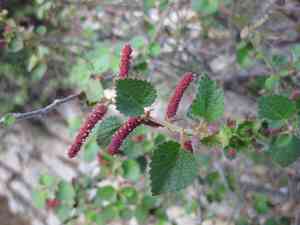
Distinguished by its reddish-brown leaves, california copperleaf flourishes with yearly trimming. This trimming should take place in early spring, right before fresh shoots emerge. Eliminate any lifeless or compromised branches to foster robust development. Reduce dense branches to enhance air movement and light exposure. Trimming promotes a denser form and can stimulate blooming. Consistent trimming reduces the likelihood of ailments, rendering california copperleaf hardier and more visually appealing.
What Are the Advantages of Trimming California Copperleaf?
What Are the Advantages of Trimming California Copperleaf?
California copperleaf thrives with trimming, which encourages robust development and maintains its form. Trimming helps manage size, enhances aesthetics, boosts blooming, and increases resistance to pests and diseases, ensuring a strong, appealing plant.
When Is the Optimal Time for Trimming California Copperleaf?
When Is the Optimal Time for Trimming California Copperleaf?
Early spring is the best season for pruning california copperleaf as it allows the plant to recover and produce new growth during its active growing season. Pruning during this time helps to shape the plant, remove any winter damage, and stimulate healthy, vigorous growth. Additionally, early spring pruning minimizes the disruption to california copperleaf's flowering and fruiting periods, ensuring optimal development and health throughout the growing season.
What Equipment Is Necessary to Trim California Copperleaf?
Bypass Pruners
Perfect for making clean cuts on living branches up to 1/2 inch thick. Recommended for precise, delicate cuts needed to maintain california copperleaf's natural form.
Lopping Shears
Appropriate for larger branches ranging from 1/2 inch to 1 1/2 inches in diameter. Essential for removing thicker, older growth.
Pruning Saw
Required for cutting through branches exceeding 1 1/2 inches in thickness. Useful for mature plants or significant corrective trimming.
Hand Pruners
Excellent for detailed trimming of smaller branches and stems, ensuring neat and healthy cuts.
How to Trim California Copperleaf
Inspect
Examine the entire plant for indications of diseased leaves, withered leaves, dead branches, and diseased branches. Utilize clean, sharp pruning shears for accurate cuts.
Remove diseased leaves
Carefully snip off any leaves showing signs of illness. Make cuts at least 6 inches below the visibly affected area to prevent pathogen spread.
Remove withered leaves
Trim off shriveled or dried leaves at their base. Ensure cuts are clean to avoid harming healthy parts of the plant.
Cut dead branches
Identify and prune dead branches by cutting them back to a healthy point, ideally just above a node or where the branch meets another live section. Ensure cuts are smooth to facilitate healing.
Remove diseased branches
Cut away branches that exhibit disease, making cuts well below any diseased portion. Disinfect pruning tools between cuts to prevent disease spread.
Common Trimming Errors with California Copperleaf
Excessive pruning
Over-trimming can weaken california copperleaf, making it more susceptible to diseases and pests. It can also diminish its blooming potential.
Pruning at wrong angle
Cutting branches at incorrect angles can lead to water accumulation on the cuts, increasing the risk of rot and infection.
Using dirty tools
Employing unclean or dull pruning tools can transmit diseases to california copperleaf, impairing its health and growth.
Ignoring shape and structure
Neglecting the natural shape and structure of california copperleaf can result in an unattractive appearance and stunted growth.
Helpful Trimming Advice for California Copperleaf
Clean your tools
Always use clean and sharp pruning tools to prevent the spread of disease. Sterilize blades before and after use.
Prune selectively
Focus on removing dead, damaged, or diseased wood. Make precise cuts just above a healthy bud or lateral branch to encourage proper healing and growth.
Maintain the shape
Maintain the natural shape of california copperleaf by trimming back overgrown branches. Aim to open up the center of the plant to improve air circulation and light penetration.
Prune at correct angle
Make cuts at a 45-degree angle, sloping away from the bud to ensure water runoff and prevent rot.



