How to Transplant Black wattle?
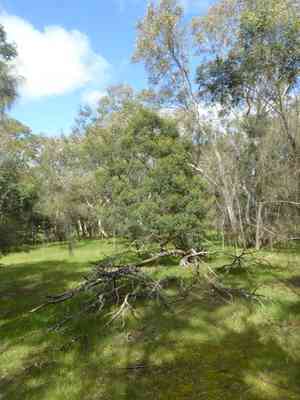
The ideal period for relocating black wattle spans from the invigorating warmth of early spring through the gradual progression of late spring. This duration aligns perfectly with the plant's natural development phase. Choose a brightly lit location featuring soil that drains effectively to foster robust rooting.
What Preparations are Needed Before Transplanting Black Wattle?
What is the Ideal Time for Transplanting Black Wattle?
The perfect time for moving black wattle is during the revitalizing months, from early bud break to the end of spring. Relocating at this time allows the black wattle to settle into the warming ground, giving it plenty of time to strengthen its root system before summer's heat. Choosing this transplanting window promotes vigorous development, ensuring the black wattle's health and setting the stage for a flourishing future. Moving black wattle at this point guarantees a smooth transition, boosting its resilience and encouraging a lush, strong presence in your garden.
How Much Space Should You Leave Between Black Wattle Plants?
Hello, gardening enthusiast! When preparing a new spot for your black wattle, ensure they have ample room by placing them 15-20 feet (4.5-6 meters) apart. This spacing will allow their roots to spread out and develop robustly.
What is the Best Soil Mix for Black Wattle Transplanting?
For your black wattle to flourish, they require a comfortable bed of soil that drains well. Start with a foundational fertilizer rich in organic matter to provide initial nourishment for your young plants.
Where Should You Relocate Your Black Wattle?
Your black wattle thrives in sunlight, so select a bright and cheerful location where they can receive full sun exposure for most of the day. This will provide them with the necessary energy for robust and healthy growth.
What Equipments Should You Prepare Before Transplantation Black Wattle?
Gardening Gloves
To safeguard your hands while handling soil and plants.
Spade or Shovel
For excavating the plant from its original spot and preparing the new planting site.
Hand Trowel
For detailed work and minor soil adjustments.
Wheelbarrow
To transport the plant and soil without physical strain.
Pruning Shears
To trim any damaged roots or branches prior to transplanting.
Watering Can or Hose
For hydrating the black wattle before and after the move.
Stakes or Supports
To provide stability for the black wattle post-transplant, if needed.
Mulch
To retain moisture and regulate soil temperature around the newly transplanted specimen.
How Do You Remove Black Wattle from the Soil?
How Do You Remove Black Wattle from the Soil?
From Ground: First, hydrate the black wattle plant to moisten the earth. Next, use a spade or shovel to dig a wide trench around the plant, ensuring the root ball remains intact. Carefully work the spade beneath the root ball to gently lift the plant from the ground.From Pot: Begin by watering the black wattle to facilitate its removal. Tilt the pot sideways and gently tap its sides and bottom to loosen the soil. Gradually ease the plant out, being careful not to pull too hard on the stems or trunk.From Seedling Tray: Lightly water the seedlings. Use a hand trowel or a dibber to loosen the soil around each seedling. Carefully lift each black wattle seedling, supporting the root ball to prevent damage.
Step-by-Step Guide for Transplanting Black Wattle
Dig Hole
Excavate a hole in the ground that is twice the width of the black wattle's root ball and matches the depth of its container or root mass.
Check Root Ball
Inspect the root ball for any signs of roots circling or girdling and gently separate them.
Position black wattle
Place the black wattle in the center of the hole, ensuring it stands upright. The top of the root ball should be level with the ground surface.
Backfill
Carefully refill the hole with soil, gently firming it around the root ball to eliminate any air pockets.
Stake if Necessary
If the black wattle is tall or in a windy area, use stakes and soft ties to provide support without harming the trunk.
Water Deeply
Thoroughly water the black wattle, ensuring the moisture penetrates deeply to reach the bottom of the root ball.
Mulch
Apply a layer of mulch around the plant's base to help retain moisture and suppress weeds, avoiding contact with the trunk.
How Do You Care For Black Wattle After Transplanting?
Stabilizing
Ensure any stakes or supports are firm but not overly tight, allowing some movement for the black wattle to develop a strong trunk.
Monitoring
Observe the black wattle's leaves for indications of transplant shock, which may appear as wilting, yellowing, or shedding of leaves.
Pruning
Trim any damaged or dead branches to direct the black wattle's energy towards establishing new roots instead of supporting unnecessary foliage.
Adjusting
Closely monitor soil moisture levels and modify watering as needed, providing more water during dry spells and less during rainy periods.
Protection
In the event of unexpected frost, use frost cloths or covers to shield the young black wattle until it is fully established.
Troubleshooting Common Issues with Black Wattle Transplantation.
How do I choose the right time to transplant black wattle?
Relocate black wattle during a period of mild weather, ideally from early to late spring, to allow the root system to establish before extreme temperatures.
What should be the optimal spacing for black wattle saplings?
Ensure saplings are positioned 15-20 feet (4.5-6 meters) apart to provide each tree with sufficient room for growth.
How deep should I dig the hole for transplanting black wattle?
Excavate a hole twice as wide and the same depth as the black wattle's root ball, to create a favorable soil environment for root expansion.
What kind of soil is best for transplanting black wattle?
Utilize well-draining soil rich in organic matter to encourage healthy growth and minimize the risk of root rot.
Can I transplant black wattle during hot seasons?
It is not advisable to transplant black wattle during hot seasons as the stress on the plant can lead to transplant shock or dehydration.
How often should I water black wattle after transplanting?
Water black wattle thoroughly after transplanting, then regularly to keep the soil moist but not waterlogged, reducing frequency as the plant establishes.
What are the signs of transplant shock in black wattle?
Wilting, yellowing, and leaf drop are typical symptoms of transplant shock in black wattle, but with proper care, it can recover.
Should I apply fertilizer after transplanting black wattle?
Wait until black wattle shows new growth before applying a balanced fertilizer, as premature feeding can harm delicate roots.
How do I protect newly transplanted black wattle from pests?
Regularly inspect for pests and treat with appropriate eco-friendly methods; maintaining plant health is crucial for pest resistance.
Can black wattle seedlings handle frosted conditions post-transplant?
Newly transplanted black wattle seedlings are susceptible to frost, so it's best to transplant after the last frost and provide protection as needed.



