How to Prune Black wattle?
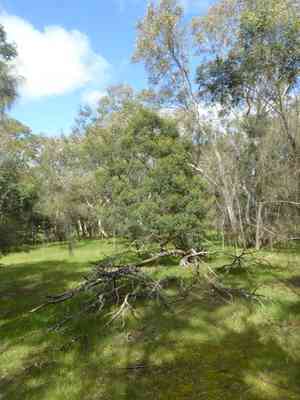
Hailing from Australia, Acacia mearnsii is a rapidly developing, nitrogen-fixing arboreal species, frequently utilized for its timber and tannin yield. Trim Acacia mearnsii during its dormant period in winter to manage its dimensions and form, eliminate deceased or ailing limbs, and reduce congested foliage to enhance air movement. This procedure lessens the likelihood of infestations and illnesses, fosters fresh development, and sustains the plant's well-being. Refrain from extensive cutting, as this can provoke vigorous, fragile growth that might necessitate supplementary bracing.
What Are the Benefits of Pruning Black Wattle?
What Are the Benefits of Pruning Black Wattle?
Trimming black wattle promotes robust development and helps maintain its form. Regular cutting eliminates overgrown limbs, improving air circulation and light exposure, vital for healthy growth. Pruning also manages its size, aiding desired landscape aesthetics and upkeep.
What Is the Best Time for Pruning Black Wattle?
What Is the Best Time for Pruning Black Wattle?
Winter is considered the ideal period to prune black wattle as the plant is typically inactive. Pruning during dormancy encourages strong growth in the subsequent season, lowers the chance of pest and disease infestation, and allows gardeners to remove dead or damaged wood without leaf obstruction. Furthermore, with growth halted, the plant won't be actively using resources on foliage, enabling it to recover from pruning cuts more effectively. Winter pruning also avoids disrupting black wattle's flowering cycle, which usually occurs in other seasons. This ensures the plant's energy is directed towards developing robust, healthy new growth in spring.
What Tools Do I Need to Prune Black Wattle?
Hand pruners
For young or slender branches of black wattle, hand pruners offer precise cuts without harming the plant. Perfect for snipping branches up to 1 inch in diameter.
Loppers
These are suitable for cutting thicker branches, typically 1 to 2 inches in diameter. The extended handles provide leverage and reach, making them ideal for black wattle's denser foliage.
Pruning saws
For the thickest branches exceeding 2 inches in diameter, a pruning saw is essential to cut through black wattle's mature wood without causing jagged cuts that could lead to disease.
Pole pruners
To trim hard-to-reach branches on mature black wattle, pole pruners enable pruning without a ladder, making the process safer and more efficient.
How to Prune Black Wattle
Clean Tools
Sanitize pruning shears and saws with alcohol or bleach solution to prevent disease transmission when cutting black wattle.
Safety
Wear protective gloves and eyewear to guard against black wattle's thorns and debris during pruning.
Identify
Examine black wattle for dead branches, which may appear dry, brittle, and leafless, and identify any branches showing disease signs, such as unusual coloring or growths.
Cutting Dead
Use shears for small dead branches and a saw for larger ones. Make cuts at a slight angle, just above a bud or branching point, to promote healing and minimize water accumulation.
Cutting Diseased
Prune diseased branches well below affected areas to ensure all parts of the disease are removed. Disinfect tools immediately after cutting diseased material to prevent spreading pathogens to healthy parts of black wattle.
Common Pruning Mistakes with Black Wattle
Over-Pruning
A frequent error is removing too much foliage at once, which can stress black wattle, leading to poor growth or even plant death.
Improper Cutting
Making cuts too close or too far from the branch collar can result in poor healing and increased vulnerability to disease.
Neglecting Tool Hygiene
Using unsanitized pruning tools can introduce pathogens to black wattle, potentially causing infections and diseases.
Pruning During Active Growth
Pruning black wattle while it is actively growing can divert energy from growth to healing, negatively impacting the plant's vigor.
Ignoring Dead Wood
Failing to regularly remove dead or broken branches can lead to insect infestations and disease, weakening the overall health of black wattle.
Uneven Pruning
Pruning black wattle unevenly can result in a lopsided or aesthetically displeasing shape, and may potentially harm the plant's balance and structure.
Common Pruning Tips for Black Wattle
Clean Cuts
Ensure cuts are clean and made at an angle to prevent water accumulation, using sharp, sterilized pruning shears to minimize stress and disease risk to black wattle.
Branch Collar
When removing larger branches, cut just outside the branch collar without leaving a stub, to promote faster and healthier healing.
Selective Pruning
Thin out overcrowded areas to allow light to penetrate and air to circulate within black wattle's canopy, which encourages even growth and reduces disease pressure.
Structural Pruning
For young black wattle, focus on structural pruning to establish a strong framework of primary branches, removing any that are crossing or rubbing against each other.
Regrowth Management
Monitor and manage regrowth to ensure black wattle doesn't become too dense, which could lead to reduced flowering and increased risk of fungal diseases.
Safety First
When pruning larger specimens of black wattle, always prioritize personal safety and consider hiring a professional arborist to prevent accidents and ensure the tree's integrity.



