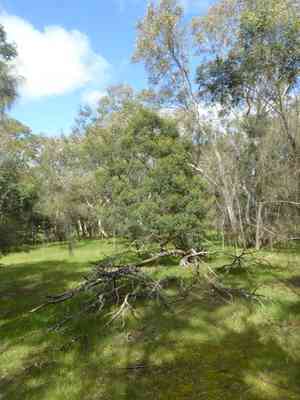
Black wattle (Acacia mearnsii)
Also known as: Green wattle
The Black Wattle (Acacia mearnsii), native to southeastern Australia, has been spread globally for industrial uses. Its bark yields tannin, and it is also used for producing woodchips for paper. Due to its prolific seed production and the long viability of its seeds, it spreads quickly and is deemed highly invasive.
In This Article
Attributes of Black wattle
Lifespan
Perennial
Plant Type
Tree, Shrub
Plant Height
9 m to 15 m
Spread
8 m
Leaf Color
Green
Flower Size
6 mm to 7 mm
Flower Color
Yellow Green Cream
Images of Black wattle
Quickly Identify Black wattle
1
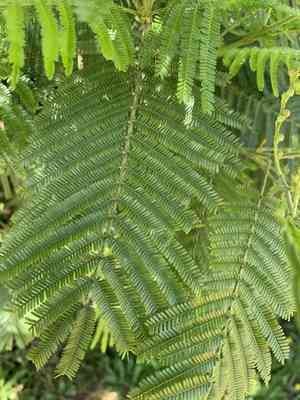
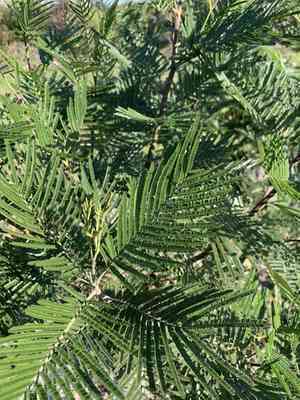
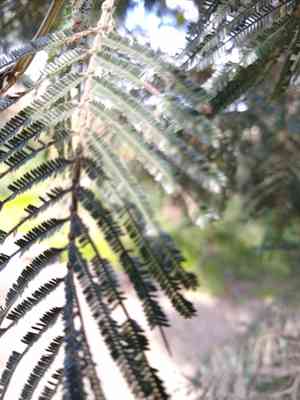
Identify Acacia mearnsii by its bipinnate leaves, which have numerous small leaflets, and its clusters of small, spherical, bright yellow flowers. The bark is dark and fissured.
Scientific Classification of Black wattle
Phylum
Vascular plants
Class
Dicotyledons
Order
Fabales
Family
Legume
Genus
Acacias
Species
Black wattle
Planting and Growing of Black wattle
Care Difficulty
Easy
Watering Schedule
Every 2 days
Sunlight Requirements
Full sun
Sunshine Duration
4-6 hours
Ideal Temperature
59-77℉
Soil Type
Potting Mix, Peat Mix
Soil pH
4.5-8
Fertilizer Type
Balanced
Pruning Season
Spring, Summer
Pruning Area
Branches, Leaves
Pruning Frequency
Once a year
Repotting Season
Spring
Pot Type
Plastic, Ceramic
 How to Water Black wattle?
Water Acacia mearnsii until the soil is thoroughly moist but not waterlogged. Use a measuring jug to ensure about 1000 ml each session, allowing water to seep down to the root zone without causing any pooling on the surface.
What are the symptoms of an underwatered Black wattle?
›
What should I do if my Black wattle is not getting enough water?
›
What are the symptoms of an overwatered Black wattle?
›
How to save an overwatered Black wattle?
›
 What Are the Sunlight Requirements for Black wattle?
The ideal light exposure range for Acacia mearnsii is full sun. This provides comprehensive benefits such as enhanced photosynthesis, strong growth, and increased flowering.
More About Sunlight Requirements Techniques→
What kind of light does Acacia mearnsii need?
›
How can you ensure Acacia mearnsii gets optimal light?
›
What are the benefits of optimal light for Acacia mearnsii?
›
 What Is the Ideal Temperature Range for Black wattle?
Acacia mearnsii thrives best within the temperature range of 59°F to 77°F (15°C to 25°C). This range ensures optimal photosynthesis and growth. Consistent temperatures avoid stress on the plant and promote healthy root and leaf development.
 What Soil is Best for Black wattle?
Acacia mearnsii thrives in well-draining soil, which prevents water from stagnating around the roots. This reduces the risk of root rot, promoting a healthier and more robust growth for the plant. Proper drainage ensures that the roots receive adequate oxygen, essential for nutrient uptake. This plant benefits from soil that is rich in organic matter, enhancing its growth and flowering potential. Organic matter improves soil structure, retaining water and nutrients effectively, which are crucial for Acacia mearnsii's vigorous growth. A nutrient-rich environment supports the plant’s resilience to pests and diseases. While Acacia mearnsii prefers well-drained soil, maintaining moderate soil moisture is crucial. Consistent moisture levels support sustained growth and prevent stress. Ensuring the soil remains slightly moist but not soggy helps the plant establish a strong root system and enhances its drought tolerance.
 How to Fertilize Black wattle?
For Acacia mearnsii, apply liquid fertilizer at a rate of 1 tablespoon per gallon of water to provide balanced nutrients without overfeeding. This should be done during the plant's active growing season to ensure optimal health and growth.
 How to Prune Black wattle?
Begin by identifying and removing any dead, damaged, or diseased branches. Cutting these out not only improves the tree's appearance but also helps prevent the spread of disease. Focus on thinning out areas where branches are particularly dense. This enhances light penetration and air circulation within the canopy, promoting a healthier growth environment. Prune to maintain a pleasing and balanced shape, cutting back any excessively long or unruly branches to maintain the desired form and size of the tree.
More About Pruning Techniques→
 How to Propagate Black wattle plant?
1
Begin by scarifying the seeds using a scalpel or sandpaper. This process helps break through the hard outer layer, which allows moisture to reach the embryo for faster germination.
2
After scarification, soak the seeds in warm water for 24 hours. This softens the seed coat and further encourages germination. Ensure the seeds swell, indicating readiness for planting.
3
Fill seed trays with well-draining soil mix. Plant the swollen seeds about half an inch deep and cover lightly with soil. Ensure the trays are placed in a warm location with indirect sunlight.
 How to Repot Black wattle plant?
1
Acacia mearnsii should be repotted when its roots start to emerge from the drainage holes or when growth noticeably slows down. This usually indicates that the plant is root-bound and in need of more space to expand and thrive. Repotting during spring or early summer ensures that the plant has ample time to adjust to its new environment when it is in a phase of active growth.
2
Select a pot that is one to two inches larger in diameter than the current one. Ensure it has adequate drainage holes to prevent waterlogging, which can lead to root rot. A well-chosen pot provides the plant with enough space to grow for a few more years, reducing the frequency of subsequent repotting and ensuring a healthy growth environment.
3
Opt for well-draining loamy soil that allows for optimal water absorption and air circulation around the roots. This type of soil prevents water from stagnating, thereby reducing the risk of root diseases. A balanced mix enriched with organic matter provides essential nutrients, fostering robust plant health and vigorous growth.
Toxicity
Ingestion
WARNING
The judgment on toxicity and danger is for reference only. We DO NOT GUARANTEE any accuracy of such judgment. Therefore, you SHALL NOT rely on such judgment. It is IMPORTANT TO SEEK PROFESSIONAL ADVICE in advance when necessary.



