How to Transplant Fringed wattle?
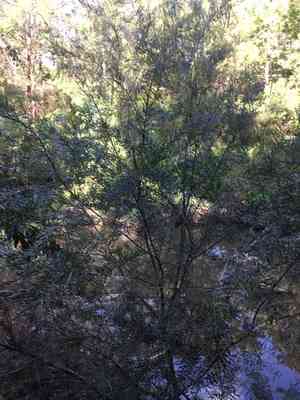
Acacia fimbriata flourishes when relocated in the colder periods, specifically from late fall to mid-winter, enabling its root system to settle prior to the onset of warmer temperatures. Select a site offering full sun to dappled shade with soil that drains effectively for optimal growth. Applying mulch is advisable to preserve soil hydration.
Essential Preparations Before Moving Fringed Wattle?
Optimal Period for Relocating Fringed Wattle?
Fringed wattle, a perennial species, thrives when moved in late autumn to early winter. These cooler months minimize plant stress, allowing root establishment prior to the active growth phase. Transplanting during this window boosts survival rates and encourages vigorous spring growth, ensuring a strong start for fringed wattle.
Required Distance Between Fringed Wattle Specimens?
For fringed wattle, aim for a separation of 8-10 feet (2.4-3 meters) between each plant. This provides ample room for development and ensures adequate air circulation.
Ideal Soil Blend for Fringed Wattle Relocation?
Prepare soil that drains well, with a pH ranging from slightly acidic to neutral. Incorporate a phosphorus-rich base fertilizer to aid root development for fringed wattle. Adding organic matter like compost can also enhance soil quality.
Optimal New Location for Your Fringed Wattle?
Select a site where fringed wattle will receive full sun, meaning at least 6 hours of direct sunlight daily. This ensures the plant gets sufficient light for robust growth.
Tools to Gather Before Transplanting Fringed Wattle?
Gardening Gloves
To safeguard your hands while handling soil and the plant.
Shovel or Spade
For digging around and lifting the plant from its initial spot.
Trowel
Useful for precise digging and working near roots.
Pruning Shears
To trim any damaged roots or foliage.
Bucket of Water
For hydrating the plant before and after the move.
Compost or Organic Matter
To enrich the planting hole for improved growth.
Mulch
To assist in retaining soil moisture and inhibiting weeds.
How to Extract Fringed Wattle from the Ground?
How to Extract Fringed Wattle from the Ground?
From Ground: First, moisten the fringed wattle plant to dampen the soil. Then, excavate a wide trench around the plant using a shovel or spade, ensuring the plant's root ball remains intact. Carefully work the spade beneath the root ball to lift the plant from its original position.From Pot: Water the fringed wattle plant thoroughly to ensure the soil is moist. Gently tap the pot's sides to loosen the soil. Carefully tilt the pot and ease the plant out by supporting the stem's base and the root ball.From Seedling Tray: Water the fringed wattle seedlings well before transplanting. Use a trowel or your fingers to gently lift each seedling, ensuring you retrieve as much of the root system as possible. Handle by the leaves, not the delicate stems, to prevent plant damage.
Detailed Procedure for Transplanting Fringed Wattle
Site Preparation
Prepare a hole that is wider and deeper than the fringed wattle's root ball. Mix compost or organic matter into the soil at the bottom and sides of the hole to enrich it.
Plant Placement
Position the fringed wattle into the hole, ensuring the root ball's top is level with or slightly above the surrounding soil. Backfill the hole with soil, gently firming it around the roots to eliminate air pockets.
Watering
Water the fringed wattle thoroughly immediately after planting to settle the soil and hydrate the plant. Ensure the water reaches the root zone by watering slowly and deeply.
Mulch Application
Spread a layer of mulch around the base of the fringed wattle, keeping it a few inches away from the stem. This helps retain moisture and suppress weeds.
Support
If the fringed wattle is tall or leggy, consider staking it with garden stakes and soft ties to provide support while it establishes.
Post-Transplant Care for Fringed Wattle
Watering
Maintain consistent soil moisture around the fringed wattle, avoiding sogginess, for the initial weeks after transplanting to aid strong root development.
Monitoring
Regularly inspect the plant for signs of stress, such as wilting or yellowing leaves, and adjust care as necessary.
Mulching
Replenish the mulch layer periodically to sustain its benefits and keep the area around the fringed wattle free of weeds.
Pruning
Trim any damaged or dead foliage to encourage healthy growth and reduce plant stress.
Addressing Common Issues During Fringed Wattle Transplantation.
When is the best time to transplant fringed wattle?
The optimal period to transplant fringed wattle is late fall, early winter, or mid-winter.
How much space should be between transplanted fringed wattle?
Ensure a separation of 8-10 feet (2.4-3 meters) between each plant.
How deep should I plant fringed wattle when transplanting?
Plant fringed wattle at the same depth it was growing in its original location.
Should I prune fringed wattle before transplanting?
Yes, reduce fringed wattle's foliage by about one-third to lessen transplant shock.
What type of soil is best for transplanting fringed wattle?
Fringed wattle thrives in well-draining soil, ideally sandy loam or loamy soil for optimal growth.
How often should I water fringed wattle after transplanting?
Water fringed wattle thoroughly immediately after transplanting, then keep the soil moist but not waterlogged.
Should I use fertilizer when transplanting fringed wattle?
A balanced fertilizer can be beneficial, but avoid excessive application, which can harm fringed wattle.
What should I do if fringed wattle's leaves turn yellow after transplanting?
Yellow leaves may indicate transplant shock. Ensure proper watering and avoid placing fringed wattle in direct sunlight.
How can I minimize transplant shock for fringed wattle?
Prepare the new site thoroughly, keep roots moist, and avoid excessive disturbance during transplanting.
Is mulching necessary after transplanting fringed wattle?
Applying a 2-3 inch (5-7.5 cm) layer of mulch can help retain moisture and protect roots.



