How to Prune Fringed wattle?
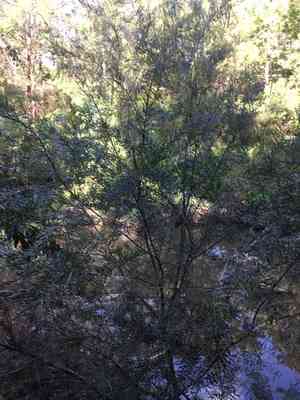
Acacia fimbriata displays appealing fern-like leaves and vibrant yellow blossoms. Trim Acacia fimbriata in the winter season while it is inactive. Concentrate on eliminating deceased or compromised limbs to improve air circulation and sculpt the shrub. Consistent trimming fosters more compact development and increased flowering. Be cautious not to excessively prune, as Acacia fimbriata thrives with a measured strategy that preserves its inherent structure.
Advantages of Trimming Fringed Wattle
Advantages of Trimming Fringed Wattle
Fringed wattle benefits from trimming as it promotes robust development and helps maintain its form. Prune to eliminate dead or diseased limbs, improve air circulation, and foster a healthy framework, ensuring vigorous growth and an appealing look.
Optimal Time for Pruning Fringed Wattle
Optimal Time for Pruning Fringed Wattle
Winter pruning is ideal for fringed wattle because it's typically the plant's dormant phase. During this period, the chance of disrupting its growth cycle and blooming is minimized, encouraging better recovery and healthier growth in the subsequent spring. Additionally, winter pruning helps shape the plant and remove any dead or diseased branches without interfering with its active growth stages.
Essential Tools for Pruning Fringed Wattle
Hand Pruners
For precise cuts on smaller branches and stems up to 0.75 inches in diameter. They offer control and minimize plant damage.
Loppers
Useful for cutting through thicker branches up to 1.5 inches in diameter. They provide leverage for cleaner cuts, reducing plant stress.
Pruning Saw
Required for larger branches too thick for hand pruners or loppers. The saw ensures smooth cuts that encourage healthy regrowth.
Bypass Pruners
Perfect for cutting live branches, as they make clean cuts that heal faster, preventing disease entry.
Anvil Pruners
Good for removing dead or diseased wood. They crush rather than cut, providing strength for tough cuts.
Pole Pruner
Helps reach higher branches without needing a ladder, ensuring safety and efficiency.
How to Prune Fringed Wattle
Inspection
Thoroughly examine fringed wattle for any dead or diseased branches. Pay close attention to its overall health and identify parts requiring immediate removal.
Cleaning Tools
Ensure your pruning shears or saw are clean and sharp to prevent disease spread through cuts.
Remove Dead Branches
Starting with dead branches, make clean cuts at the base where they meet healthy tissue. Avoid leaving stubs as these can be entry points for disease.
Remove Diseased Branches
Carefully trim away diseased branches by cutting back to healthy wood. Make cuts well below the affected area to ensure complete disease removal. Dispose of these branches meticulously to prevent contamination.
Disinfect Tools
After pruning diseased branches, sanitize your tools with a 10% bleach solution or 70% alcohol to prevent pathogen spread to other parts of fringed wattle.
Common Pruning Errors with Fringed Wattle
Incorrect technique
Using dull or inappropriate tools can harm plant tissues, leading to infections or stunted growth. Improper cutting angles can also result in poor healing and unhealthy regrowth.
Poor timing
Some gardeners prune fringed wattle at the wrong time, which can stress the plant and impede its natural growth cycle. Avoid pruning during active growth periods if it's not the optimal season.
Over-pruning
Removing too much foliage at once can shock the plant, reducing its ability to photosynthesize and recover. This mistake can lead to weak growth or even plant death.
Neglecting sanitation
Failing to sterilize pruning tools increases the risk of spreading diseases between plants. Dirty blades can introduce pathogens directly into pruning wounds.
Ignoring plant shape
Pruning without considering the natural shape and habit of fringed wattle can result in an unattractive appearance and potentially harm the plant's structural integrity.
General Pruning Advice for Fringed Wattle
Use sharp tools
Always use sharp, clean pruning shears or saws. Sharp tools make clean cuts, which heal faster and reduce disease risk.
Make clean cuts
Cut at a 45-degree angle away from the bud or main stem to promote proper healing. Ensure your cuts are smooth and do not tear plant tissue.
Focus on dead and diseased
Start by removing any dead, diseased, or damaged branches. This step helps prevent disease spread and encourages healthy growth.
Thin crowded branches
Thin out crowded branches to improve air circulation and light penetration. This encourages a healthier, more aesthetically pleasing plant.
Maintain natural shape
Try to maintain the natural form of fringed wattle by selectively pruning rather than shearing. This approach helps the plant retain its natural beauty and structure.
Reduce pruning stress
Avoid removing more than one-third of the plant's foliage at a time to prevent excessive stress and promote better regrowth. If significant pruning is needed, do it gradually over several seasons.



