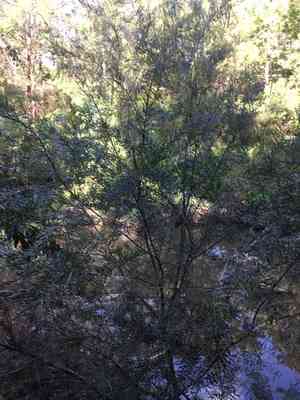
Fringed wattle (Acacia fimbriata)
Also known as: Fringed Wattle, Brisbane Golden Wattle
The Golden Wattle is a hardy tree or shrub that can grow up to 15 meters tall. It is characterized by its feathery, fern-like leaves and striking, golden-yellow, bottle brush-like flower spikes. Native to Australia, this plant's vibrant blossoms are a magnet for pollinators due to their nectar. Its rough, furrowed bark also supports local wildlife by offering a unique microhabitat.
In This Article
Attributes of Fringed wattle
Lifespan
Perennial
Plant Type
Tree
Plant Height
3 m
Spread
5 m
Leaf Color
Green
Flower Size
1-2 cm
Flower Color
Bright Yellow
Images of Fringed wattle
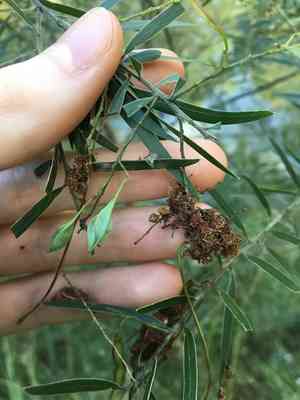
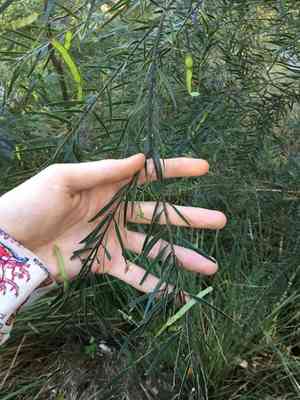
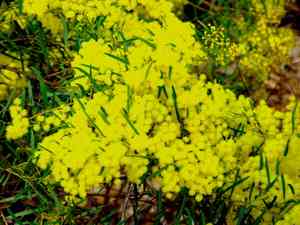
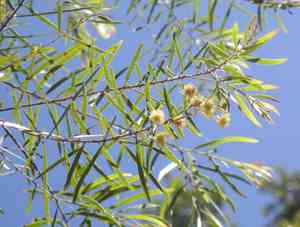
Quickly Identify Fringed wattle
1
Look for a small to medium-sized tree with bright yellow, fluffy ball-shaped flowers, typically blooming in late winter to early spring. The leaves are finely divided, giving it a feathery appearance.
Scientific Classification of Fringed wattle
Phylum
Vascular plants
Class
Dicotyledons
Order
Fabales
Family
Legume
Genus
Acacias
Species
Fringed wattle
Planting and Growing of Fringed wattle
Care Difficulty
Moderate
Watering Schedule
Every 4 days
Sunlight Requirements
Full sun
Sunshine Duration
6-10 hours
Ideal Temperature
60-75℉
Soil Type
Potting Mix, Peat Mix
Soil pH
5.5-7.5
Fertilizer Type
Balanced
Pruning Season
Spring, Summer
Pruning Area
Branches, Leaves
Pruning Frequency
2 times a year
Repotting Season
Spring
Pot Type
Terracotta, Plastic
 How to Water Fringed wattle?
Acacia fimbriata thrives on a consistent watering regime. It requires about 500 milliliters per session to ensure the soil is adequately moist but not waterlogged. The key is to achieve a balance by allowing the top few centimeters of soil to dry out between waterings, which encourages healthy root growth and prevents the risk of root rot.
What are the symptoms of an underwatered Fringed wattle?
›
What should I do if my Fringed wattle is not getting enough water?
›
What are the symptoms of an overwatered Fringed wattle?
›
How to save an overwatered Fringed wattle?
›
 What Are the Sunlight Requirements for Fringed wattle?
Acacia fimbriata thrives in full sun conditions. Ideal light fosters robust growth, profuse flowering, and maintains the plant's structural integrity.
Optimal Sunlight Duration
›
Sunlight Exposure Solutions
›
Benefits of Ideal Lighting
›
 What Is the Ideal Temperature Range for Fringed wattle?
For optimal growth, Acacia fimbriata should be maintained at temperatures between 60 and 75°F. This range ensures healthy flowering and foliage development, minimizing stress-related growth issues.
 What Soil is Best for Fringed wattle?
Acacia fimbriata demands well-drained soil to prevent waterlogging, which can lead to root rot. A well-drained environment ensures the roots receive adequate oxygen, promoting robust growth. The plant thrives in nutrient-rich soil that provides essential minerals and organic matter. Such conditions support vigorous foliage and enhanced flowering, leading to a healthier plant. The soil should retain moisture but not stay soggy, maintaining a delicate balance to support the plant during dry spells while preventing root diseases.
 How to Fertilize Fringed wattle?
When applying fertilizer to Acacia fimbriata, ensure a balanced approach. For liquid fertilizers, use a dilution rate as recommended by the manufacturer, usually around 1 tablespoon per gallon of water. For solid slow-release fertilizers, 3 to 4 pounds per 100 square feet should suffice. This amount feeds the plant without overburdening the soil with nutrients.
 How to Prune Fringed wattle?
For Acacia fimbriata, the best times for pruning are in early spring and autumn after the flowering season. Prune when growth is minimal to avoid interrupting the energy the plant uses for flowering. Begin by removing any dead, diseased, or damaged branches. This not only enhances the plant's appearance but also directs its energy towards healthy growth. To maintain a beautiful shape, prune the outer branches lightly while cutting back any overly long or misdirected growth. This promotes a more compact and aesthetically pleasing structure.
More About Pruning Techniques→
 How to Propagate Fringed wattle plant?
1
Acacia fimbriata seeds require pretreatment to enhance germination. Soak the seeds in hot water for 24 hours to break dormancy and encourage quicker sprouting.
2
Place the pre-treated seeds in a seed tray filled with well-draining soil. Cover them lightly with soil and water gently to ensure even moisture distribution.
3
Select healthy and semi-mature stems for cuttings. Use sterilized pruning shears to cut a piece around 10-15 cm long, ensuring there are several nodes on the cutting.
 How to Repot Fringed wattle plant?
1
Acacia fimbriata requires repotting when you notice roots emerging from drainage holes, the soil becomes compacted, or overall growth seems stunted. These signs indicate that the plant's roots have outgrown the current pot, and it's time for more space.
2
Select a pot that's one size larger than the current one and has ample drainage holes. Using a slightly larger pot prevents excessive moisture retention, reducing the risk of root rot, and ensures that the Acacia's roots can spread comfortably.
3
Opt for a free-draining sandy mix with a pH of around 5.5 to 6.5. This soil type mimics the plant's natural habitat, promoting healthy root development by providing excellent drainage and aeration.



