How to Transplant Velvetleaf?
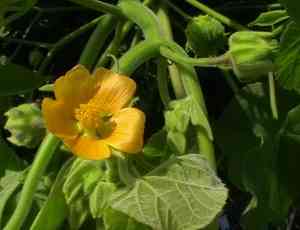
The optimal period for relocating velvetleaf is from mid to late spring or early summer, a time conducive to vigorous growth and successful integration. Select a brightly lit spot with soil that drains effectively to maximize velvetleaf's prosperity. A helpful tip: ensure continuous hydration after transplanting to aid velvetleaf in adapting to its new environment.
What Preparations are Needed Before Transplanting Velvetleaf?
What is the Ideal Time for Transplanting Velvetleaf?
The best time to move velvetleaf is during the mild warmth of mid to late spring or the start of early summer. This period provides consistent temperatures and moderate rainfall, encouraging strong root development and growth. Choosing this timeframe takes advantage of longer days, giving velvetleaf ample sunlight to flourish. The warmer soil during this season aids root growth, which is vital for velvetleaf's success. Transplanting in these months ensures velvetleaf gets the best start, with natural conditions fostering lush, vigorous growth.
How Much Space Should You Leave Between Velvetleaf Plants?
Before you begin, make sure to space velvetleaf approximately 1.5-2 feet (0.45-0.6 meters) apart. This generous spacing allows each plant ample room to grow, maximizing their full potential!
What is the Best Soil Mix for Velvetleaf Transplanting?
For thriving velvetleaf plants, prepare soil that drains well and is rich in organic matter. Mix a slow-release base fertilizer into the soil to ensure they have sufficient nutrients for healthy, strong growth!
Where Should You Relocate Your Velvetleaf?
As you plan where to transplant velvetleaf, remember it thrives in sunlight. Select a spot that receives abundant direct sunlight daily. Your velvetleaf plants will appreciate the warm, sunny location!
What Equipments Should You Prepare Before Transplantation Velvetleaf?
Gardening Gloves
To protect your hands while working with soil and handling the velvetleaf plant.
Trowel
To excavate the plant from its original spot and dig a new hole for relocation.
Garden Shears
To trim any damaged roots or excessive foliage before transplanting.
Gardening Fork
Useful for loosening the soil, making it easier for roots to penetrate and spread.
Watering Can
To ensure the soil is adequately moist during and after the transplanting process.
Garden Cart/Wheelbarrow
For moving your velvetleaf plant from its initial position to its new site.
How Do You Remove Velvetleaf from the Soil?
How Do You Remove Velvetleaf from the Soil?
From Ground: Water the velvetleaf plant thoroughly to moisten the soil and facilitate digging. Using a trowel, dig a wide trench around the plant, ensuring the root ball remains intact. Carefully slide the trowel beneath the root ball to lift the plant out.From Pot: Water the velvetleaf plant and allow it to absorb the moisture. Then, gently invert the pot while holding your hand over the soil surface with the velvetleaf plant stem between your fingers. Tap the bottom and slide the root ball out.From Seedling Tray: Use a small trowel or spoon to carefully lift each velvetleaf seedling from its cell, taking care not to harm the young roots.
Step-by-Step Guide for Transplanting Velvetleaf
Preparation
Clear the chosen area of any debris. Then, using a fork, loosen the soil to aerate it, which will help roots penetrate and spread easily.
Digging
Using a trowel, dig a hole about twice the width of your velvetleaf plant's root ball. The depth should allow the plant to sit at the same level as it was in its original spot.
Transplanting
Place your velvetleaf plant into the hole carefully, ensuring the roots are spread out. Backfill the hole with soil and press down gently to firm it up.
Watering
Water the transplanted velvetleaf plant thoroughly, ensuring the soil settles around the roots.
How Do You Care For Velvetleaf After Transplanting?
Pruning
Trim off any damaged or excessively long branches to redirect the velvetleaf plant's energy towards root establishment rather than foliage growth.
Watering
For the initial couple of weeks, maintain a consistent watering schedule to allow the new roots to settle in.
Monitoring
Keep a close watch on your velvetleaf plant for any signs of stress or disease. Early detection of issues allows for quicker responses.
Patience
Remember, plants need some time to adjust to their new environment. For velvetleaf, it typically takes a few weeks before the plant resumes its normal growth pattern.
Troubleshooting Common Issues with Velvetleaf Transplantation.
When is the best time to transplant velvetleaf?
The optimal periods to transplant velvetleaf are between the second and fourth stages of its growth, also referred to as '/S2-S4/'.
How much space should I leave between velvetleaf plants when transplanting?
When transplanting velvetleaf, always allow adequate room for growth. An ideal spacing is between 1.5-2 feet (45-60 cm).
What sort of soil suits velvetleaf during transplantation?
Velvetleaf can thrive in various soil types. However, well-draining soil rich in organic matter would be preferable.
What should I do if my velvetleaf is wilting after transplanting?
A slight wilting after transplant is normal. If it persists, ensure the plant is adequately watered, receives proper sunlight, and is free from disease.
How should I handle the roots while transplanting velvetleaf?
Be gentle with the roots to minimize stress and damage. Avoid touching the root tip to preserve its health and reduce transplant shock.
How much sunlight is required for velvetleaf after transplanting?
Velvetleaf performs well in full sunlight or partial shade. Ensure it receives a good balance of sunlight daily for optimal growth.
What type of pot size should I use when transplanting velvetleaf?
The pot should offer sufficient space for root expansion. For velvetleaf, a pot with a diameter of at least 10 inches (25 cm) would provide ample room.
Should I add fertilizers immediately after transplanting velvetleaf?
Allow velvetleaf to acclimate to its new surroundings first. Wait at least two weeks before applying a balanced, slow-release fertilizer.
What should I do if the leaves of velvetleaf start turning yellow after transplanting?
Yellow leaves might indicate overwatering or nutrient deficiency. Adjust the watering routine and ensure a balanced nutrient supply.
How frequently should I water velvetleaf after transplantation?
Velvetleaf typically prefers well-drained soil and moderate watering. Adjust watering based on the soil's moisture level, temperatures, or if the plant shows signs of wilting.



