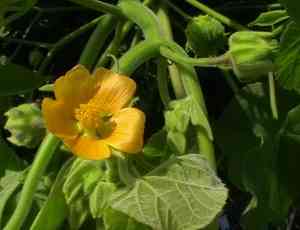
Velvetleaf (Abutilon theophrasti)
Also known as: China jute, Buttonweed
Abutilon theophrasti, also known as velvetleaf, is named in honor of Theophrastus, an ancient Greek botanist and philosopher, who succeeded Aristotle. This plant is now recognized as an invasive species in various regions globally and poses a particular threat to corn and soybean agriculture. If not controlled, velvetleaf can cause significant economic damage to farmers, potentially amounting to hundreds of millions of dollars, due to its aggressive competition for essential resources like nutrients, water, and sunlight.
In This Article
Attributes of Velvetleaf
Lifespan
Annual
Plant Type
Herb
Plant Height
1 m to 2 m
Spread
30 cm to 90 cm
Leaf Color
Green
Flower Size
1 cm
Flower Color
Yellow
Images of Velvetleaf
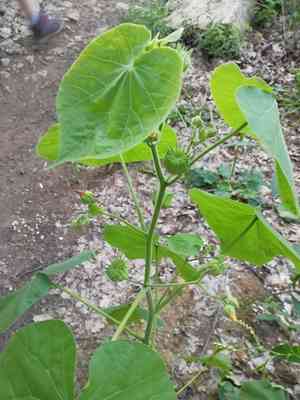
Quickly Identify Velvetleaf
1
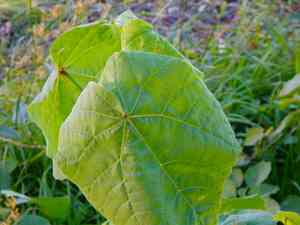
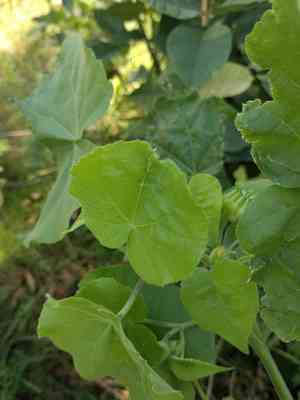
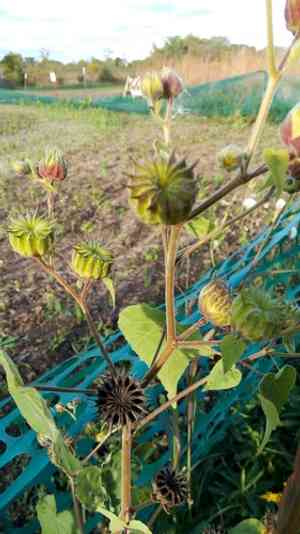
Velvetleaf can be identified by its heart-shaped leaves covered in soft, velvety hairs. It has yellow-orange flowers and distinctive seed pods that are also covered in fine hairs.
Scientific Classification of Velvetleaf
Phylum
Vascular plants
Class
Dicotyledons
Order
Malvales
Family
Mallow
Genus
Indian mallows
Species
Velvetleaf
Planting and Growing of Velvetleaf
Care Difficulty
Moderate
Watering Schedule
Every 4 days
Sunlight Requirements
Full sun
Sunshine Duration
6-8 hours
Ideal Temperature
70-80℉
Soil Type
Potting Mix, Peat Mix
Soil pH
6.5-7.5
Fertilizer Type
Balanced
Pruning Season
Spring, Summer
Pruning Area
Branches, Leaves
Pruning Frequency
2 times a year
Repotting Season
Spring
Pot Type
Plastic, Terracotta
 How to Water Velvetleaf?
Abutilon theophrasti requires a substantial watering strategy that ensures its soil remains consistently moist. Aim to provide around 500 ml of water per session, ensuring the soil is damp but not waterlogged. Always let the surface soil start to dry out slightly before the next watering session to encourage healthy root development.
What are the symptoms of an underwatered Velvetleaf?
›
What should I do if my Velvetleaf is not getting enough water?
›
What are the symptoms of an overwatered Velvetleaf?
›
How to save an overwatered Velvetleaf?
›
 What Are the Sunlight Requirements for Velvetleaf?
Full sun to partial sun for up to 8 hours daily ensures active photosynthesis and healthy growth, making the plant well-equipped for resilience against environmental pressures.
What is the best lighting condition?
›
How to ensure optimal light exposure?
›
What benefits come from ideal lighting?
›
 What Is the Ideal Temperature Range for Velvetleaf?
Abutilon theophrasti thrives best within an ideal temperature range of 70°F to 80°F. These temperatures provide the optimal balance of warmth needed to support robust growth and development. Within this range, the plant can efficiently photosynthesize and maintain its metabolic processes, leading to healthier foliage and successful blooming. Ensuring that the ambient temperature remains within this range will minimize stress factors and promote vigorous health.
 What Soil is Best for Velvetleaf?
Abutilon theophrasti thrives in well-drained soils, which prevent waterlogging and root rot. Ensuring good drainage helps the plant absorb nutrients efficiently and promotes healthy root development, leading to vigorous growth. The plant prefers soils of medium fertility, which provide sufficient nutrients without the risk of over-fertilization. This balance ensures that Abutilon theophrasti has the essential nutrients for growth without excessive vegetative growth that can inhibit flowering. A soil with moderate moisture retention helps maintain a steady supply of water, supporting Abutilon theophrasti during dry periods. Adequate moisture is crucial for sustaining healthy growth and preventing wilting during high temperatures.
 How to Fertilize Velvetleaf?
For Abutilon theophrasti, careful attention should be given to the amount of fertilizer. Generally, a balanced liquid fertilizer diluted to half-strength should be applied every two weeks during the growing season. For slow-release fertilizers, an application of approximately 50 grams per plant annually is sufficient. It's crucial to avoid over-fertilizing as this can lead to excessive foliage growth and reduced flowering.
 How to Prune Velvetleaf?
Start by examining the plant for any dead or damaged branches, as these should be removed first to prevent disease spread. Use clean, sharp pruning shears to make clean cuts at a 45-degree angle to promote quicker healing. Focus on thinning the plant’s interior to allow sunlight to reach all parts, encouraging even growth. Be mindful of maintaining the overall shape of the plant by following its natural contours and avoiding excessive cutting.
 How to Propagate Velvetleaf plant?
1
Soak the seeds of Abutilon theophrasti in warm water for 24 hours to help soften the hard seed coat and promote faster germination.
2
Sow the seeds in a seed tray filled with seed-starting mix. Plant them about 1/4 inch deep and cover lightly with soil.
3
Place the seed tray in a warm location with bright, indirect sunlight. Maintain a consistent temperature of about 70-75°F (21-24°C) for optimal germination.
 How to Repot Velvetleaf plant?
1
Abutilon theophrasti should be repotted when you notice its roots starting to grow out of the drainage holes or when it exhibits stunted growth. Repotting in spring or summer allows the plant to adjust better as it is in its active growth phase. Look for roots protruding from the pot, slow growth, or yellowing leaves as signals that it's time to repot.
2
Select a pot that is 2-4 inches larger in diameter than the current one. This provides ample space for the roots to grow and prevents the plant from becoming root-bound. Ensure the pot has sufficient drainage holes to avoid waterlogging, which can lead to root rot. A well-chosen pot ensures healthy growth and prevents overwatering issues.
3
Opt for loamy, well-draining soil when repotting Abutilon theophrasti. The soil should retain moisture yet allow excess water to drain, preventing soggy conditions. Well-aerated soil promotes healthy root development and ensures that nutrients are efficiently absorbed, leading to a thriving plant.
Learn More About Velvetleaf Diseases
Anthracnose
Bacterial Leaf Spot
Bacterial Wilt
Crown Gall
Cyst Nematode
Damping-off
Downy Mildew
Drought Stress
Fusarium Wilt
Gray Mold
Leaf Spot
Mosaic
Nutrient Deficiency
Nutrient Toxicity
Powdery Mildew
Root Rot
Root-knot Nematode
Rusts
Sooty Mold
Spider Mites
Temperature Stress
Thrips Damage
White Mold
Chemical Injury



