How to Transplant Snowball sand verbena?
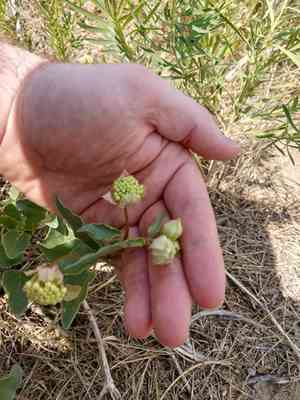
The ideal period for relocating snowball sand verbena is during the peak of its growth cycle, usually from late spring to mid-summer, allowing for rapid root establishment. Select a brightly lit area with soil that drains effectively to guarantee a successful transfer and robust health.
What Preparations are Needed Before Transplanting Snowball Sand Verbena?
What is the Ideal Time for Transplanting Snowball Sand Verbena?
For snowball sand verbena, the peak of its growth cycle, typically early to mid-summer, offers the optimal period for relocation. These warmer months promote strong root development, providing ample opportunity for snowball sand verbena to acclimate to its new setting. Placing snowball sand verbena into properly prepared soil during this time ensures a more vigorous, thriving display in your garden haven.
How Much Space Should You Leave Between Snowball Sand Verbena Plants?
When relocating snowball sand verbena, aim for a spacing of approximately 1-2 feet (30.48 - 60.96 cm) between each specimen. This provides sufficient room for them to grow and flourish without competing for resources.
What is the Best Soil Mix for Snowball Sand Verbena Transplanting?
Snowball sand verbena thrives in well-drained, sandy soil. Prepare the ground by incorporating a phosphorus-rich base fertilizer to encourage root growth. A small amount of fertilizer, about a handful, will suffice.
Where Should You Relocate Your Snowball Sand Verbena?
For the perfect spot for your snowball sand verbena, seek out a location that receives full sun exposure throughout the day. It flourishes best when situated in direct sunlight, such as a sunny window or an open garden area.
What Equipments Should You Prepare Before Transplantation Snowball Sand Verbena?
Gardening Gloves
To safeguard your hands when handling soil and any prickly parts of snowball sand verbena.
Shovel or Spade
An essential implement for excavating the root ball of snowball sand verbena without causing damage.
Pruning Shears
Used for trimming roots, if necessary, and removing dead or unhealthy branches from snowball sand verbena.
Gardening Trowel
This will assist in creating a cavity in the new location for snowball sand verbena.
Watering Can or Hose
Needed to hydrate snowball sand verbena after its relocation.
Hand Fork
Useful for loosening the soil in the new spot and mixing in compost, if required.
Wheelbarrow
For transporting the plant, soil, and compost.
How Do You Remove Snowball Sand Verbena from the Soil?
How Do You Remove Snowball Sand Verbena from the Soil?
From Ground: Prior to extracting snowball sand verbena from the ground, ensure the plant is thoroughly watered; this will moisten the soil and facilitate easier removal of the root ball. Next, excavate a wide circle around the plant using a shovel or spade, aiming to keep the root ball intact. Gently slide the spade beneath the root ball, carefully lifting it from its original position. Maintain the root-ball's integrity throughout the entire process.From Pot: Before removing snowball sand verbena from its container, water the plant generously to loosen the soil. Tilt the pot sideways and tap it gently to encourage the plant to slide out, always handling the plant with care to prevent stem or root breakage. If the plant proves difficult to remove, you can use a trowel to loosen the soil around the pot's edges.From Seedling Tray: Seedling trays are typically used for young and delicate transplants. Therefore, extra caution is required. Start by gently watering the tray, then slide a gardening trowel under the seedling. Ensure you lift the entire soil plug, containing the roots of snowball sand verbena, from the tray.
Step-by-Step Guide for Transplanting Snowball Sand Verbena
Prepare New Site
The new site should be made ready before removing snowball sand verbena from its initial spot. The hole should be twice as wide and the same depth as the root ball. Loosen the soil at the bottom of the hole with a hand fork.
Remove Plant
Utilize the removal steps specific to your situation, as detailed above.
Replant
Lower snowball sand verbena into the hole, ensuring the top of the root ball is level with the surrounding soil surface. Avoid planting too deeply, as this can impede its growth.
Backfill
Refill the hole with the excavated soil. Gently press around the plant's base to firm the soil and eliminate any air pockets.
Water Generously
Water snowball sand verbena thoroughly after transplanting. However, avoid overwatering, as it can lead to root rot.
How Do You Care For Snowball Sand Verbena After Transplanting?
Watering
Even after the initial thorough watering, snowball sand verbena will require close attention in the subsequent weeks. Keep the soil moist, but never saturated, adjusting watering frequency based on weather conditions.
Pruning
Remove any dead, damaged, or diseased branches from the plant; this not only improves the plant's appearance but also its overall health and vigor.
Inspect
Regularly observe snowball sand verbena for signs of stress such as wilting or discoloration. If any issues arise, address them promptly to maintain the plant's health.
Mulching
Apply a layer of organic mulch around snowball sand verbena to help retain soil moisture and regulate soil temperature.
Adaptation Period
Remember, it will take some time for snowball sand verbena to establish itself in its new location. Patience and consistent care are crucial during this phase.
Troubleshooting Common Issues with Snowball Sand Verbena Transplantation.
When is the opportune moment to transplant snowball sand verbena?
The ideal period for relocating snowball sand verbena is during late summer to early fall, commonly known as S4-S5.
What distance should I keep between snowball sand verbena when transplanting?
Space each snowball sand verbena 1-2 feet (30-60 cm) apart. This ensures they have ample room to grow and thrive.
How deep should the hole be for transplanting snowball sand verbena?
You should dig a hole deep enough to accommodate snowball sand verbena's root ball. A depth roughly twice the height of the root ball would be suitable.
How should I prepare the soil for transplanting snowball sand verbena?
Ensure the soil is loose and drains well. Enriching it with compost or well-rotted manure can give snowball sand verbena a strong start.
Is it necessary to water snowball sand verbena immediately after transplanting?
Yes, it's crucial to water snowball sand verbena thoroughly right after transplanting. This helps the plant adapt better to its new environment.
Do I need to add mulch after transplanting snowball sand verbena?
Adding a layer of mulch around snowball sand verbena can be beneficial. It helps to retain moisture, suppress weeds, and maintain stable root temperatures.
How do I handle the root ball of snowball sand verbena during transplantation?
Handle snowball sand verbena's root ball gently to avoid damaging it. Try not to dislodge too much soil as it contains vital microbes for root health.
Should I prune snowball sand verbena when transplanting?
Generally, you do not need to prune snowball sand verbena during transplanting. However, removing any damaged or diseased parts could aid the plant's recovery.
What type of light conditions does snowball sand verbena prefer after transplant?
Snowball sand verbena prefers full sun to light shade. So, choose a location that can provide these conditions post-transplant.
Why are the leaves on my transplanted snowball sand verbena turning yellow?
This could be due to transplant shock, water stress, or nutrient deficiency. Try adjusting care accordingly; generally, snowball sand verbena recovers with appropriate attention.



