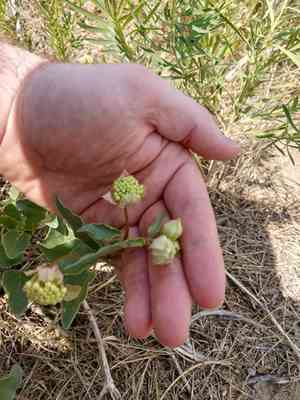
Snowball sand verbena (Abronia fragrans)
Also known as: Sweet sand verbena, Fragrant verbena
The snowball sand verbena (Abronia fragrans) thrives in loose, sandy soils commonly found in prairies and savannas. True to its scientific name, which means "delicate" and "fragrant," the plant produces aromatic flowers grouped in ball-like clusters at the tips of its sticky stems.
In This Article
Attributes of Snowball sand verbena
Lifespan
Perennial
Plant Type
Herb
Plant Height
25 cm
Spread
80 cm
Leaf Color
Green
Flower Size
5 cm
Flower Color
White Yellow Pink Green Purple Red Lavender
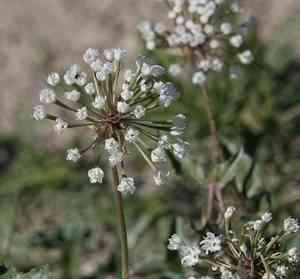
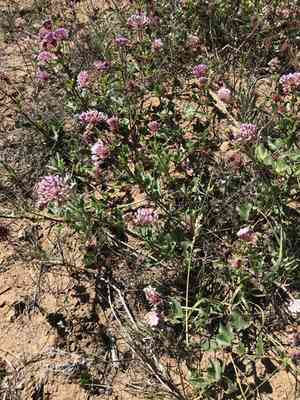
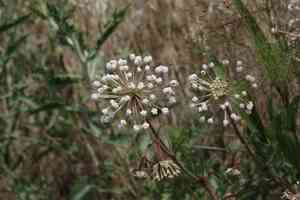
Images of Snowball sand verbena
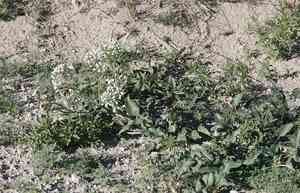
Quickly Identify Snowball sand verbena
1
Sticky, hairy stems sprawl across the ground and bear spherical flower clusters.
2
Showy flowers open at night with trumpet-shaped blooms in white, pink, purple, or green.
3
Egg-shaped achenes with a shiny black or brown hue are enclosed in a robust, top-shaped calyx base.
4
Bright green leaves with a reddish base, hairy texture, and specific size.
5
Thick, sticky stem with fuzzy hairs, green color, and irregular branching pattern.
Scientific Classification of Snowball sand verbena
Phylum
Vascular plants
Class
Dicotyledons
Order
Caryophyllales
Family
Four o'clock
Genus
Sand verbenas
Species
Snowball sand verbena
Planting and Growing of Snowball sand verbena
Care Difficulty
Easy
Watering Schedule
Every 3 days
Sunlight Requirements
Full sun
Sunshine Duration
6-10 hours
Ideal Temperature
65-75℉
Soil Type
Potting Mix, Peat Mix
Soil pH
6.5-7.5
Fertilizer Type
Balanced
Pruning Season
Spring, Summer
Pruning Area
Branches, Leaves
Pruning Frequency
2 times a year
Repotting Season
Spring
Pot Type
Plastic, Ceramic
 How to Water Snowball sand verbena?
For Abronia fragrans, ensure that water penetrates the soil deeply without leaving it waterlogged. Aim for approximately 250ml of water per session to maintain moist but not overly wet soil. The principle is to allow the water to seep through to the root zone, ensuring optimal hydration.
What are the symptoms of an underwatered Snowball sand verbena?
›
What should I do if my Snowball sand verbena is not getting enough water?
›
What are the symptoms of an overwatered Snowball sand verbena?
›
How to save an overwatered Snowball sand verbena?
›
 What Are the Sunlight Requirements for Snowball sand verbena?
Abronia fragrans prefers full sun to partial sun conditions. Ideal light improves growth by enabling robust leaf development, vibrant flower production, and efficient photosynthesis.
More About Sunlight Requirements Techniques→
What is the ideal sunlight exposure?
›
What are some solutions to achieve ideal light?
›
What benefits does the ideal lighting condition offer?
›
 What Is the Ideal Temperature Range for Snowball sand verbena?
The ideal temperature range for Abronia fragrans to thrive is between 65°F and 75°F. This range ensures optimal growth and health, promoting strong root development and vibrant bloom. Maintaining steady temperatures within this range helps to prevent stress and enhance the plant's immunity against diseases.
 What Soil is Best for Snowball sand verbena?
Abronia fragrans thrives in well-drained soil. This type of soil prevents waterlogging, which can lead to root rot, ensuring the plant's roots remain healthy and aerated. While Abronia fragrans is fairly drought tolerant, it benefits from nutrient-rich soil to support robust growth and vibrant blooms, providing essential minerals for its well-being. A light, sandy soil texture helps mimic the plant's natural habitat, promoting better root penetration and nutrient uptake, which is vital for its health in cultivation.
 How to Fertilize Snowball sand verbena?
When fertilizing Abronia fragrans, use a balanced, water-soluble fertilizer mixed to half the strength recommended on the package. For liquid fertilizers, apply approximately 1 tablespoon (15 ml) per gallon of water. This amount ensures healthy growth without overwhelming the plant.
 How to Prune Snowball sand verbena?
Start by identifying and removing any dead or damaged stems. This helps direct the plant's energy toward healthier portions, enhancing overall vitality and bloom density. Carefully trim to shape the plant, aiming for a balanced structure. This not only enhances the aesthetic appeal but also allows light to reach inner foliage, improving photosynthesis.
More About Pruning Techniques→
 How to Propagate Snowball sand verbena plant?
1
Begin by filling seed trays with a well-draining soil mix. Sow the seeds on the surface and lightly cover them with a thin layer of soil. Water gently to ensure the soil remains moist but not waterlogged.
2
Place the seed trays in a warm and well-lit area, ideally with a temperature between 20-25°C (68-77°F). Ensure consistent moisture by misting regularly and use a humidity dome to maintain high humidity levels until germination occurs.
3
Once seedlings have developed several true leaves and are strong enough, carefully transplant them into individual pots or an outdoor location. Ensure they are planted in a well-draining site with sufficient sunlight.
 How to Repot Snowball sand verbena plant?
1
The primary indicators that Abronia fragrans needs repotting include roots protruding from the drainage holes, slowed growth, or if the soil becomes compact and waterlogged. Late spring to early summer is ideal, as the plant is in its active growth phase, promoting quick recovery and rooting in its new container.
2
Select a pot that is about 1-2 inches larger in diameter than the current one, equipped with adequate drainage holes. A slightly larger pot prevents excess water retention, which could lead to root rot, ensuring the plant's roots have enough room to grow without oversaturation.
3
Opt for a well-draining sandy mix, incorporating materials like perlite or coarse sand. This type of soil enhances aeration and drainage, crucial in preventing root rot and compaction, allowing the roots of Abronia fragrans to spread comfortably and access oxygen efficiently.



