How to Prune Snowball sand verbena?
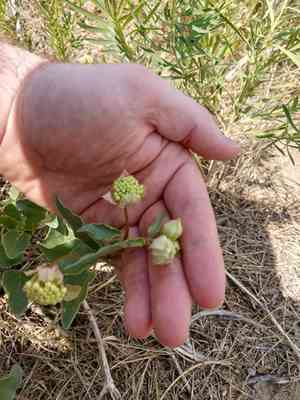
Snowball sand verbena, a perennial recognized for its globe-shaped floral arrangements, flourishes with infrequent trimming to preserve its inherent structure. In early spring, remove any deceased or compromised stems to foster robust new development. Throughout the summer, deadhead faded blossoms to stimulate an extended flowering phase. Trimming ought to be gentle, concentrating on sustaining the plant's contour and strength. Consistent pruning improves air movement and diminishes the likelihood of illness, which is crucial for snowball sand verbena's health.
Advantages of Trimming Snowball Sand Verbena
Advantages of Trimming Snowball Sand Verbena
Trimming snowball sand verbena promotes more robust development by stimulating new shoots. It also aids in maintaining a desired form and size, which is especially crucial for visual appeal in garden settings.
Optimal Time for Trimming Snowball Sand Verbena
Optimal Time for Trimming Snowball Sand Verbena
Trimming in late spring allows snowball sand verbena to recover swiftly as it enters a period of rapid development. This timing ensures that any winter damage can be removed before new growth fully commences. Early summer is also suitable because snowball sand verbena has just completed its initial bloom, making it an ideal time to shape the plant and encourage further flowering. Pruning during these seasons will help maintain the health and appearance of snowball sand verbena without disrupting its natural growth cycle and blooming period.
Necessary Tools for Trimming Snowball Sand Verbena
Bypass Pruners
These are perfect for making clean cuts on the somewhat delicate stems of snowball sand verbena. The bypass action, similar to scissors, causes less harm to plant tissues and promotes faster healing.
Snips
These are excellent for detailed work and trimming smaller stems or faded flowers on snowball sand verbena, without causing unnecessary damage to nearby stems or leaves.
Gloves
Wearing gloves is essential to protect hands from potential irritation caused by snowball sand verbena's sap or rough foliage during the trimming process.
How to Trim Snowball Sand Verbena
Sanitize tools
Before beginning, ensure all trimming tools are disinfected to prevent the spread of disease to snowball sand verbena. Clean tools with a solution of 1 part bleach to 9 parts water or use alcohol wipes.
Remove diseased parts
Carefully inspect snowball sand verbena for any signs of disease on leaves and stems. Use sharp, clean pruning shears to remove diseased leaves and stems by cutting at the base of the affected area, ensuring a clean cut to promote healing.
Trim withered leaves
Identify any withered or dead leaves on snowball sand verbena. Gently trim these leaves at their base, taking care not to harm the healthy part of the plant. This helps redirect the plant's energy to new growth.
Thin diseased stems
If diseased stems are present, delicately thin out these stems to improve air circulation and reduce the risk of further disease spread. Make cuts at a 45-degree angle just above a healthy node or bud.
Clean up
After trimming snowball sand verbena, collect and dispose of all pruned material to avoid any potential for disease to spread in the garden. Ensure the ground around the plant is clear of debris to maintain good plant health.
Common Trimming Errors with Snowball Sand Verbena
Excessive trimming
Removing too much growth in one session can stress snowball sand verbena, potentially leading to poor health and reduced flowering.
Neglecting deadheading
Failing to remove spent blooms regularly may result in reduced flowering as snowball sand verbena can spend more energy on seed production than new blooms.
Cutting too close
Trimming branches too near the main stem can create wounds susceptible to disease and may hinder future growth.
Incorrect cut angle
Cutting with an improper angle can lead to water accumulation on the cuts, promoting fungal growth and disease in snowball sand verbena.
Trimming healthy growth
Indiscriminately cutting back healthy growth without assessing the plant's form can reduce the overall aesthetic and vigor of snowball sand verbena.
Not sanitizing tools
Using unsanitized tools can spread disease between plants, which may severely affect snowball sand verbena's health.
General Trimming Advice for Snowball Sand Verbena
Selective trimming
Target only the overgrown, dead, or damaged areas to shape snowball sand verbena without reducing its overall strength and vitality.
Sharp tools
Use sharp, clean pruning shears to make precise cuts, which helps snowball sand verbena recover more quickly and reduces the chance of disease.
Angled cuts
Make cuts at a 45-degree angle away from the bud to prevent water from sitting on the cut surface, reducing the risk of disease in snowball sand verbena.
Deadheading
Regularly remove spent flowers to encourage continuous blooming throughout the growing season.
Trimming for aeration
Thin out crowded areas to improve air circulation, which can help prevent fungal diseases common in snowball sand verbena.
Follow the branch
When cutting back larger stems, follow the branch down to a lateral bud or another branch to avoid leaving stubs that can die back and invite pests or diseases.



