The Hidden Danger in Your Home? Unmasking the Toxicity of the Turkey oak Plant.
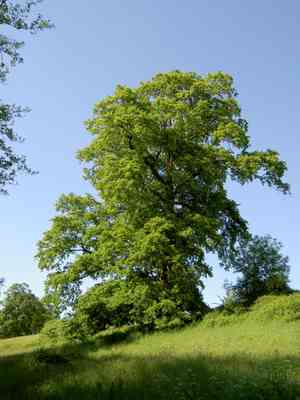
1
Turkey oak presents a low toxicity hazard to humans, mainly if consumed, leading to issues such as sickness, throwing up, and loose stools.
2
Felines might experience serious adverse effects like discomfort and sickness should they consume any portion of turkey oak.
3
Canines may display digestive distress, including throwing up and loose stools, after ingesting any part of turkey oak.
Is Turkey oak toxic to humans?
Turkey oak presents a low-level toxicity hazard to people mainly through consumption. Every part of turkey oak contains tannins, which, if eaten, can cause negative health reactions. The signs of poisoning are quite noticeable and might include digestive upset, such as sickness, throwing up, and loose stools. Occasionally, individuals might also experience head pain, lightheadedness, or trouble breathing. Since the entire plant is harmful, precautions should be taken to avoid accidental eating, especially in areas where turkey oak is common. Although the toxicity level is minor, the existence of tannins throughout all parts of turkey oak necessitates care to prevent any potential health problems.
Is Turkey oak toxic to cat?
Turkey oak shows slight toxicity to felines, which can be a worry for pet guardians. Cats usually encounter the harmful substance by accidentally eating portions of the plant. In cases of poisoning, cats might display signs indicating physical distress or sickness. The whole turkey oak plant has tannins, which are the substances causing the toxicity. If a cat consumes any part of the turkey oak, it is crucial to get immediate veterinary help to ensure appropriate treatment and prevent further health issues.
Is Turkey oak toxic to dog?
Turkey oak is categorized as mildly harmful to canines. Dogs can be poisoned by this plant if they eat any part of it, as the entire plant is considered toxic. When dogs consume turkey oak, they might show signs like digestive upset, throwing up, or loose stools because of the tannins present. If you suspect your dog has eaten turkey oak, it is essential to get immediate veterinary attention to ensure correct treatment and symptom management.



