The Hidden Danger in Your Home? Unmasking the Toxicity of the Indian poke Plant.
1
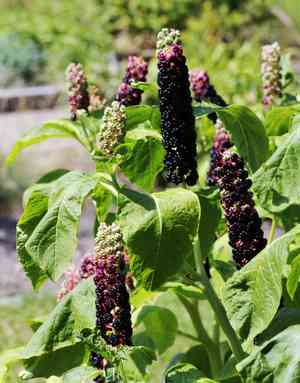
The foliage and root system of Indian poke are poisonous and can lead to considerable damage if consumed.
2
Indian poke presents a moderate danger of toxicity to felines and canines, necessitating careful observation by pet owners.
3
Consuming developed leaves or roots of Indian poke may induce severe reactions such as emesis, loose stools, and convulsions in companion animals.
Is Indian poke toxic to humans?
Although the precise toxic process needs more investigation, it's understood that the foliage and root system of Indian poke are considered poisonous. While the young leaves of this plant might not cause harm, they develop a toxic element as they mature. The roots also contain this harmful compound. The chance of accidental poisoning increases if people gather the leaves at the wrong stage. The roots cause a cleansing effect (vomiting and diarrhea) if consumed.
Is Indian poke toxic to cat?
Indian poke presents a moderate danger of toxicity to felines. Cats might accidentally eat parts of this plant, which can lead to poisoning, as the whole plant is poisonous. Pet owners must be watchful, as consumption can cause noticeable discomfort or sickness. If a cat shows such negative physical reactions after encountering Indian poke, it's crucial to take them to a veterinary clinic quickly for care. Preventing cats from accessing Indian poke is essential for their safety and health.
Is Indian poke toxic to dog?
The plant species Indian poke presents a moderate toxicity risk to canines. Dogs might accidentally ingest parts of Indian poke, potentially leading to poisoning. The entire plant is toxic, and consumption can result in various concerning symptoms. Dog owners should watch for signs of distress like vomiting, diarrhea, stomach pain, or more severe symptoms such as tremors or seizures. If a dog displays any of these signs after contact with Indian poke, immediate veterinary attention is vital to ensure the best possible health outcome for the pet.



