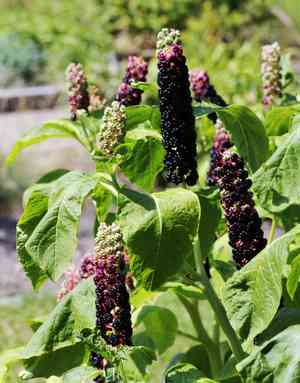
Indian poke(Phytolacca acinosa)

Indian poke (Phytolacca acinosa)

Also known as: Indian pokeweed, Mountain pokeweed, Indian poke, Inkberry

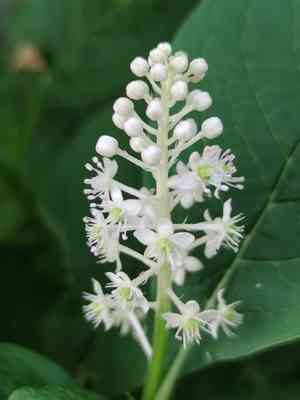
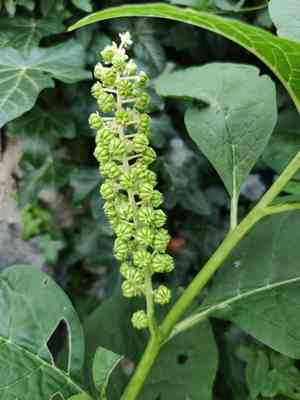
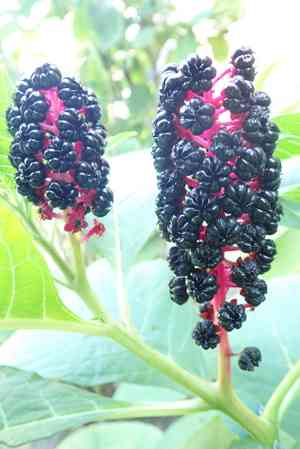
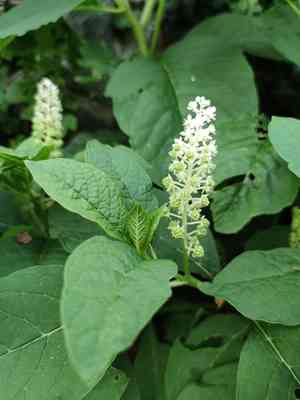
Indian poke (Phytolacca acinosa) is a perennial herb that bears clusters of dark red or purple berries. The genus name "Phytolacca" combines the Greek word for "plant" and a Latin term for "dye," reflecting the plant's historical use in creating red dye from its berries. The mature leaves and stalks are toxic, making the plant hazardous if ingested.

Attributes of Indian poke

Lifespan
Perennial
Plant Type
Herb
Plant Height
70 cm to 1.5 m
Spread
60 cm to 90 cm
Leaf Color
Green Blue
Flower Size
8 mm
Flower Color
White Green Yellow Purple

ForwardPlant - Identify plants with a snap

Identify and diagnose plants, get toxicity alerts, and explore safety guides for all types of fungi.

Try for Free

Images of Indian poke

Indian poke(Phytolacca acinosa)

Quickly Identify Indian poke

1
Phytolacca acinosa can be identified by its large leaves, thick reddish stems, and clusters of small white flowers which develop into dark purple berries. The plant can grow up to 2 meters in height.

Scientific Classification of Indian poke

Phylum
Vascular plants
Class
Dicotyledons
Order
Pinks, cacti, and allies
Family
Pokeweed
Genus
Pokeweeds
Species
Indian poke

Planting and Growing of Indian poke

Care Difficulty
Easy
Watering Schedule
Every 4 days
Sunlight Requirements
Partial sun
Sunshine Duration
4-8 hours
Ideal Temperature
60-75℉
Soil Type
Potting Mix, Peat Mix
Soil pH
6.5-7.5
Fertilizer Type
Balanced
Pruning Season
Spring, Summer
Pruning Area
Branches, Leaves
Pruning Frequency
2 times a year
Repotting Season
Spring
Pot Type
Terracotta, Plastic

water icon How to Water Indian poke?

For Phytolacca acinosa, you should water the plant until the soil is uniformly moist but not soggy. Ensure that excess water drains away to prevent waterlogging. The goal is to keep the soil moist at a consistent level, emulating the natural rainfall this plant typically receives.
What are the symptoms of an underwatered Indian poke?
What should I do if my Indian poke is not getting enough water?
What are the symptoms of an overwatered Indian poke?
How to save an overwatered Indian poke?

sunlight icon What Are the Sunlight Requirements for Indian poke?

Sunlight Requirements: Partial sun
Duration of light: 4 to 6 hours daily.
Partial sun exposure is ideal, providing a balance that encourages proper growth and vibrant foliage while preventing leaf scorch. This light range supports overall plant health and berry production.
How much sun does Phytolacca acinosa need?
What is an effective way to provide ideal lighting?
What are the benefits of ideal lighting for this plant?

temperature icon What Is the Ideal Temperature Range for Indian poke?

Ideal Temperature: 60 ~ 75℉
Phytolacca acinosa thrives best in temperatures ranging from 60 to 75°F. This range allows for optimal photosynthesis, nutrient uptake, and overall vigor of the plant. Maintaining this temperature range minimizes stress and promotes healthy growth, ensuring the plant develops properly throughout its life cycle.

soil icon What Soil is Best for Indian poke?

Soil type: Loam, Sandy loam, Sandy soil
Soil PH: 6.5 ~ 7.5
Phytolacca acinosa thrives in well-drained soils, which prevent root rot and fungal diseases. The flow of air in such soils ensures healthy root growth and better nutrient absorption. This plant benefits from nutrient-rich soil, which supports robust growth and vibrant foliage. Regularly adding organic matter can enhance soil fertility effectively. Soils that hold moderate moisture levels help maintain the plant's hydration without causing waterlogging issues, crucial for its growth and survival.

fertilize icon How to Fertilize Indian poke?

Fertilizer type: Balanced
Phytolacca acinosa benefits from a balanced nutrient regime. For liquid fertilizer, use a diluted solution at half strength to prevent nutrient burn. Apply about 250 ml per plant. For slow-release granular fertilizer, use approximately 50 grams per square meter, ensuring it's evenly distributed around the base of the plant.

prune icon How to Prune Indian poke?

Pruning Time: Spring, Summer
Begin by inspecting the plant for any dead or diseased branches and remove them first. Use sharp, sterilized pruning shears to make clean cuts. Focus on cutting back to a healthy bud or lateral branch to promote new growth. Aim to remove about one-third of the oldest branches to keep the plant rejuvenated. To foster a denser, bushier growth, trim the plant's tips by about 3-5 inches. This encourages lateral branching, which creates a fuller appearance. After pruning, consider applying a balanced fertilizer to give the plant a boost.

propagate icon How to Propagate Indian poke plant?

Propagate Time: Spring, Early summer
1
Collect ripe berries and extract seeds by soaking them in water to remove the pulp. Clean and dry the seeds thoroughly before sowing to ensure germination.
2
Sow seeds in a well-draining soil mix, keeping them lightly covered. Maintain consistent moisture and provide indirect sunlight. Germination may take several weeks.
3
Select healthy, non-flowering shoots and cut sections 8-10 cm long. Remove lower leaves and dip ends in rooting hormone before planting in a suitable potting mix.

repot icon How to Repot Indian poke plant?

Repotting frequency: Every 2-3 years
1
Repotting Phytolacca acinosa is best done when you notice the plant becoming root-bound or when its growth significantly slows down. These signs indicate that it's running out of space or nutrients in its current pot.
2
Opt for a pot that's one size larger than the current one, preferably made of breathable materials like terracotta. A well-sized pot ensures better root growth and prevents waterlogging, promoting overall plant health.
3
Select a well-draining loamy soil mix that retains some moisture but allows excess water to escape. This helps prevent root rot while providing adequate nutrients for healthy growth.

ForwardPlant - Identify plants with a snap

Find the best spots for them to optimize their health, simply using your phone.

Try for Free

Toxicity of Indian poke

Is Indian poke toxic to humans?

Although the precise toxic mechanism needs more investigation, it is established that the leaves and roots of the Indian poke are toxic. Although the young leaves might not pose harm, they gradually accumulate a toxic compound as they grow. This toxic element is also found in the roots. The likelihood of unintentional poisoning increases when individuals harvest the leaves at an inappropriate stage of maturity. If consumed, the roots can induce a purgative response, which includes vomiting and diarrhea.

Is Indian poke toxic to cat?

Indian poke presents a moderate toxicity hazard to cats. Cats might unknowingly ingest various parts of this plant, which can lead to poisoning, as the entire plant is toxic. Pet owners need to be alert, as ingestion can result in noticeable pain or sickness. If a cat displays any such negative physical symptoms after coming into contact with indian poke, it is essential to rush them to a veterinary clinic without delay for necessary treatment. Ensuring cats cannot access indian poke is crucial for their safety and health.

Is Indian poke toxic to dog?

The plant species known as Indian poke presents a moderate toxicity risk to dogs. Canines may unintentionally ingest various parts of Indian poke, which can lead to potential poisoning incidents. The entire plant is toxic, and consumption may result in a range of symptoms that require attention. Dog owners should remain alert for indications of distress, such as vomiting, diarrhea, gastrointestinal discomfort, or more serious reactions like tremors or seizures. If a dog shows any of these symptoms after exposure to Indian poke, it is crucial to seek prompt veterinary assistance to secure the best possible outcome for the pet's health.

Identify toxic plants for your safety

Learn which plants are harmful to you and your pets, and make informed choices for a safer home!

Try for Free
WARNING
The judgment on toxicity and danger is for reference only. We DO NOT GUARANTEE any accuracy of such judgment. Therefore, you SHALL NOT rely on such judgment. It is IMPORTANT TO SEEK PROFESSIONAL ADVICE in advance when necessary.
More About Toxic Techniques