The Hidden Danger in Your Home? Unmasking the Toxicity of the Mexican mint Plant.
1
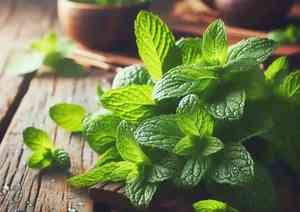
Every part of the Mexican mint plant should be kept away from felines, as exposure can lead to mild to severe toxicity.
2
The essential oils present in Mexican mint foliage can induce significant irritation and burning in cats, resulting in emesis and bloody stools.
3
Signs of Mexican mint toxicity in canines encompass digestive upset, throwing up, and sluggishness, necessitating prompt veterinary attention.
Is Mexican mint toxic to cats?
Every part of Mexican mint (Coleus amboinicus) plants should be kept away from felines, as exposure can result in poisoning from minor to serious. Seek veterinary advice if your cat is observed gnawing on this plant. The volatile oils in the foliage can cause irritation and a burning sensation if your cat brushes against them, and consumption leads to not only oral irritation but possibly vomiting and diarrhea, which might be bloody, labored breathing, and muscle weakness and tremors.
Is Mexican mint toxic to dogs?
Mexican mint is deemed harmful to canines. When dogs consume portions of this plant, whether by accident or out of inquisitiveness, they can experience poisoning. The whole plant, including its leaves, stalks, and blossoms, contains harmful substances that endanger canine well-being. Signs of poisoning in dogs might encompass digestive upset, emesis, loose stools, sluggishness, or more severe responses contingent on the quantity consumed and the individual dog's susceptibility. It is vital for dog guardians to supervise their pets closely and restrict access to Mexican mint. If a dog is thought to have eaten any part of Mexican mint, it is critical to obtain prompt veterinary attention to ensure the most favorable prognosis for the affected animal.



