How to Overwinter Mexican mint
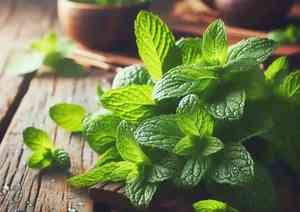
1
Mexican mint cannot withstand frost and needs particular attention to endure the winter.
2
Begin getting your Mexican mint ready for winter dormancy around mid-autumn, prior to the initial frost.
3
Confirm that indoor wintering conditions offer ample indirect illumination, stable warmth, and routine humidity monitoring.
Understanding Mexican mint and Its Frost Sensitivity
Understanding Mexican mint and Its Frost Sensitivity
The Mexican mint, valued for its fragrant foliage and therapeutic qualities, is a delicate perennial that cannot withstand frost. Originating from warmer climates, this plant is vulnerable to freezing temperatures. When temperatures begin to fall below 12°C (53.6°F), it's essential to start planning for its overwintering. Failure to do so can lead to severe cold damage or the plant's demise.
Preparing Your Mexican mint for Overwintering
When to Start Preparing
Initiate overwintering preparations in mid-autumn, specifically when nighttime temperatures approach 12°C (53.6°F). By anticipating the first frost, you ensure the plant has ample time to gradually adjust to indoor conditions. Being proactive can prevent last-minute difficulties and give your Mexican mint a better chance of survival.
Pruning and Cleaning
Pruning is vital for maintaining a healthy plant during winter. Remove any dead or unhealthy leaves and stems. This not only reduces the plant's energy expenditure but also lowers the risk of pests and diseases. Gently cleaning the leaves with a damp cloth can help eliminate dust and pests that might otherwise thrive indoors.
Choosing the Right Overwintering Method
Indoor Overwintering
Bringing your Mexican mint indoors is a common and effective strategy. Position the plant in a location with bright, indirect light, such as a south-facing window. Ensure that indoor temperatures remain stable, ideally between 18-24°C (64-75°F). Drafts from doors or windows can stress the plant, so avoid placing it too close to these areas.
Greenhouse Overwintering
If you possess a greenhouse, this could be an optimal setting for overwintering your Mexican mint. Greenhouses offer regulated humidity and temperature, mimicking the plant's natural habitat. Monitor humidity levels, keeping them between 40-60%, to prevent both desiccation and fungal problems.
Cutting and Propagation
Another approach is to take cuttings from your Mexican mint before the initial frost. Plant these cuttings in small containers and keep them indoors throughout the winter. This method not only provides a contingency plan but also offers an opportunity to cultivate new plants for the spring.
How to Care for Indoor Overwintered Mexican mint
Light Requirements
While your Mexican mint is indoors, sufficient lighting is critical. If natural light is inadequate, consider utilizing grow lights. Aim for at least 6 hours of indirect light daily to replicate its accustomed outdoor conditions.
Temperature Control
Maintain consistent indoor temperatures ranging from 18-24°C (64-75°F). Avoid positioning the plant near heating vents or drafty spots, as temperature fluctuations can induce stress and impede growth.
Watering Schedule
Your Mexican mint will require less water indoors during the colder months. Keep the soil slightly moist, but allow the top layer to dry out between waterings. Excessive watering can lead to root rot, a frequent issue in indoor environments.
Humidity Levels
Indoor air can be quite dry in winter, so monitor humidity levels around your Mexican mint. Occasionally mist the leaves or place a humidity tray (a shallow tray filled with water and pebbles) beneath the plant to maintain a humidity level of approximately 40-60%.
Common Issues During Overwintering Mexican mint
Pest Control
Indoor plants are vulnerable to pests such as spider mites and aphids. Regularly inspect your Mexican mint for signs of infestation, like discolored leaves or webbing. Neem oil or insecticidal soap can be used to organically treat minor infestations.
Disease Prevention
Fungal diseases can become an issue if your Mexican mint is kept too damp or crowded. Ensure good air circulation around the plant and avoid overwatering. Promptly remove any affected leaves and apply a fungicide if necessary.
Dealing with Stress Responses
Your Mexican mint may exhibit signs of stress, such as leaf drop or yellowing, when first moved indoors. Allow it time to adjust and closely observe conditions, modifying light, temperature, and humidity as needed to alleviate stress.
Preparing Mexican mint for Spring
Gradual Acclimatization
As spring approaches, begin to gradually acclimate your Mexican mint to outdoor conditions. Place it outside for a few hours each day, progressively increasing its exposure to outdoor elements to help it adjust without shock.
Repotting and Soil Refreshing
Spring is an ideal time to repot your Mexican mint to revitalize the soil. Use a well-draining potting mix and select a pot slightly larger than the current one to accommodate root growth. This promotes healthy and vigorous growth as the days become warmer.



