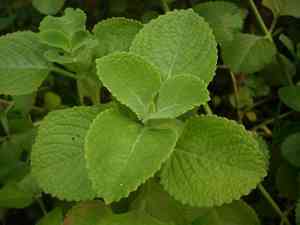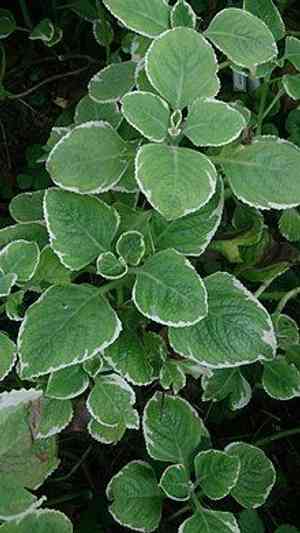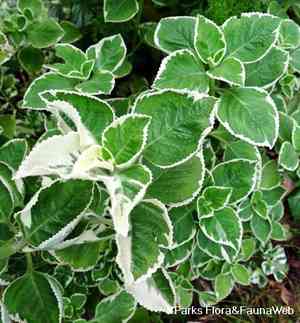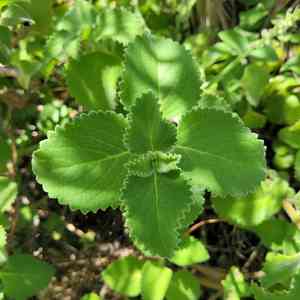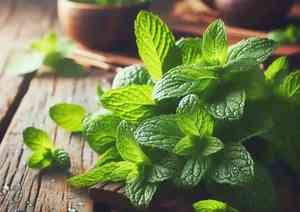
Mexican mint(Coleus amboinicus)

Mexican mint (Coleus amboinicus)

Also known as: Spanish thyme, Indian borage, Cuban oregano

Coleus amboinicus is a succulent perennial plant in the Lamiaceae family, known for its aromatic leaves and use in traditional medicine and cooking.

Attributes of Mexican mint

Lifespan
Perennial

ForwardPlant - Identify plants with a snap

Identify and diagnose plants, get toxicity alerts, and explore safety guides for all types of fungi.

Try for Free

Images of Mexican mint

Mexican mint(Coleus amboinicus)

Quickly Identify Mexican mint

1
Identifiable by its thick, fleshy leaves with a strong, oregano-like aroma and serrated edges. The plant typically features a square stem common to members of the mint family.

Scientific Classification of Mexican mint

Phylum
Tracheophyta
Class
Magnoliopsida
Order
Lamiales
Family
Lamiaceae
Genus
Plectranthus

Planting and Growing of Mexican mint

Care Difficulty
Easy
Watering Schedule
Every 3 days
Sunlight Requirements
Full sun
Sunshine Duration
6-10 hours
Soil Type
Potting Mix, Peat Mix
Soil pH
6-7.2
Fertilizer Type
Balanced
Pruning Season
Spring, Summer
Pruning Area
Branches, Leaves
Pruning Frequency
2 times a year
Repotting Season
Spring
Pot Type
Plastic, Ceramic

water icon How to Water Mexican mint?

The optimal watering quantity for the Coleus amboinicus is about 200 milliliters each time. The key to watering this plant is remembering the principle that it's better to keep dry than to keep damp. This plant needs its soil to be kept moist but not overly wet. Overwatering can lead to root rot and other types of fungal diseases. Hence, moderate watering is recommended.
What are the symptoms of an underwatered Mexican mint?
What should I do if my Mexican mint is not getting enough water?
What are the symptoms of an overwatered Mexican mint?
How to save an overwatered Mexican mint?
More About Watering Techniques

sunlight icon What Are the Sunlight Requirements for Mexican mint?

Sunlight Requirements: Full sun, Partial sun
Duration of light: 4 to 6 hours
The ideal light range for Coleus amboinicus is bright but indirect light for the better part of the day. This encourages vibrant colors and lush growth, but also shields the plant from the possibility of sunburn.
Where can I place the plant for ideal light?
How do I measure the light?
What happens if the plant gets the ideal light?
More About Sunlight Requirements Techniques

soil icon What Soil is Best for Mexican mint?

Soil type: Sandy loam, Loam, Clay soil
Soil PH: 6 ~ 7.2
Coleus amboinicus requires well-drained soil. Soggy, water-logged soil can lead to root rot and other fungal diseases. A well-drained soil allows excess water to escape preventing damage to the plant's roots and promoting healthier growth. This plant thrives in rich, fertile soil. Fertile soil provides the essential nutrients required for the plant's growth and development. Using compost or organic matter can improve soil fertility and promote vibrant foliage. Looseness and aeration of soil are important for the healthy root system. This allows the roots of the plant to easily spread and absorb nutrients and water effectively. More About Soil

fertilize icon How to Fertilize Mexican mint?

Fertilizer type: Balanced
For Coleus amboinicus, typically 5 grams of general purpose liquid fertilizer per plant is applied once every two weeks. In the case of slow-release granular fertilizer, it's best to apply 10 grams per plant quarterly. More About Fertilizing Techniques

prune icon How to Prune Mexican mint?

Pruning Time: Spring, Summer
Start by trimming the plant’s top, this will encourage it to become denser. Look for the point where a pair of leaves grow from the stem (a 'node') and cut just above it. For shaping, prune the side branches. Be sure to make your cut just above a node where a leaf joins the stem. New growth will emerge from this node. If there are any bare stems that lack leaves, prune them back to the base. Do so until only a small stub of the stem remains. This will facilitate more aesthetic growth. More About Pruning Techniques

propagate icon How to Propagate Mexican mint plant?

Propagate Time: Spring, Early summer
1
Select healthy, disease-free stems from the parent Coleus amboinicus. Cuttings should be 4-6 inches long and ideally should have a few sets of leaves on the top.
2
Fill the pot with the potting mix. Thoroughly water it before placing the cutting.
3
Remove lower leaves from the cutting, leaving only 2-3 sets at the top. Insert the cut end into the wet potting mix and firm the soil around the stem.
More About Propagating Techniques

repot icon How to Repot Mexican mint plant?

Repotting frequency: Every two years
1
Coleus amboinicus is best repotted in Spring or Summer when it is actively growing. Signs that it needs repotting include dull leaves, a lack of new growth, or roots peeking out from the bottom of the pot. Regular repotting will keep this plant healthy and thriving.
2
Choose a pot that has one or two sizes larger than its current one. Make sure it has good drainage holes, as Coleus amboinicus is susceptible to root rot. A terracotta or ceramic pot is ideal for this plant as they are heavy and prevent the plant from toppling over, and they also allow the soil to breathe.
3
Coleus amboinicus prefers a well-drained soil mix. You can use a premade mix designed for indoor plants, or create your own mix using equal parts of peat moss, perlite or sand, and garden soil. This type of soil provides good drainage and aeration for root health.
More About Repotting Techniques

ForwardPlant - Identify plants with a snap

Find the best spots for them to optimize their health, simply using your phone.

Try for Free

Toxicity of Mexican mint

Is Mexican mint toxic to cat?

All portions of the Mexican mint (Coleus amboinicus) plant are deemed hazardous for cats, as exposure may result in toxicity that can range from mild to severe. If you notice your cat nibbling on this plant, it is advisable to consult a veterinarian. The essential oils found in the leaves can induce irritation and a burning sensation if your cat comes into contact with them. Moreover, ingesting the plant can lead to oral irritation, along with possible symptoms such as vomiting, diarrhea (which may be bloody), breathing difficulties, and muscle weakness or tremors.

Is Mexican mint toxic to dog?

Mexican mint poses a toxicity risk to dogs. If dogs accidentally or out of curiosity consume any part of this plant, they may experience poisoning. The entire plant—comprising leaves, stems, and flowers—harbors toxic compounds that can endanger canine health. Poisoning symptoms in dogs can manifest as gastrointestinal disturbances, vomiting, diarrhea, lethargy, or even more severe reactions, which will depend on the amount ingested and the specific sensitivity of the dog. It is essential for pet owners to keep a close eye on their dogs and restrict their access to mexican mint. If a dog is suspected of having ingested any part of mexican mint, it is critical to seek veterinary assistance promptly to ensure the best possible outcome for the affected pet.

Identify toxic plants for your safety

Learn which plants are harmful to you and your pets, and make informed choices for a safer home!

Try for Free
WARNING
The judgment on toxicity and danger is for reference only. We DO NOT GUARANTEE any accuracy of such judgment. Therefore, you SHALL NOT rely on such judgment. It is IMPORTANT TO SEEK PROFESSIONAL ADVICE in advance when necessary.
More About Toxic Techniques