Ideal Temperature for Lesser swine-cress
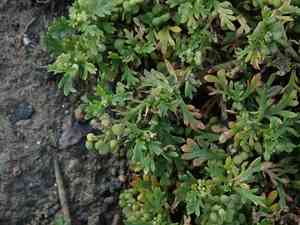
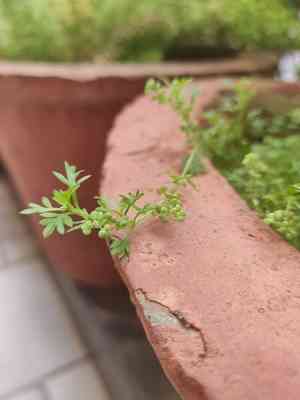
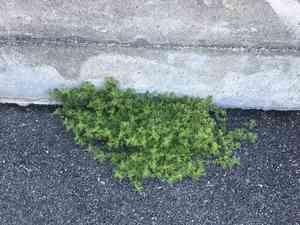
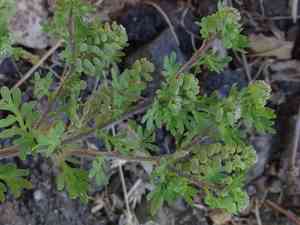
Images of Lesser swine-cress
Signs of Cold Stress in Lesser swine-cress
Symptoms
Lesser swine-cress exhibits moderate resilience to cold and flourishes optimally when temperatures exceed 60℉. Throughout the winter, it should be maintained above 50℉. Should the temperature drop below 40℉, its foliage might begin to sag. In minor instances, recovery is possible, but severe cases lead to wilting and eventual leaf drop.
Solutions
Remove any parts damaged by frost. Before subsequent exposure to low temperatures, cover the plant with materials like non-woven fabric or cloth, and erect a windbreak to shield it from cold drafts.
Signs of Heat Stress in Lesser swine-cress
Symptoms
In summer, Lesser swine-cress ought to be kept below 75℉. When temperatures surpass 85℉, the foliage's hue lightens, leaf tips might become parched and shriveled, leaves could curl, and the plant's vulnerability to sunburn increases.
Solutions
Prune off any sun-scorched and desiccated sections. Relocate the plant to an area offering protection from the midday and afternoon sun, or deploy a shade cloth for cover. Irrigate the plant during morning and evening hours to maintain soil moisture.



