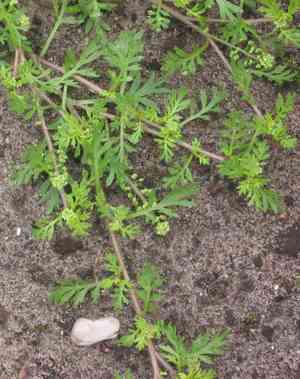
Lesser swine-cress (Lepidium didymum)
Also known as: Swine wartcress, Lesser swine cress, Lesser wart-cress
Epazote (Chenopodium ambrosioides) is an annual herb that can reach up to 41 cm in length. It has yellowish-green foliage with a strong, distinctive odor. Though often regarded as a weed due to its invasive nature, it is also edible despite its unpleasant smell.
In This Article
Attributes of Lesser swine-cress
Lifespan
Annual, Biennial
Plant Type
Herb
Plant Height
40 cm
Spread
20 cm
Leaf Color
Green
Flower Size
1 mm
Flower Color
White Yellow Green
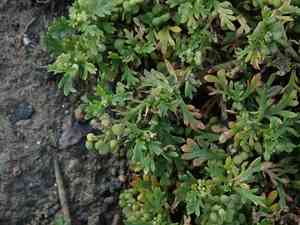
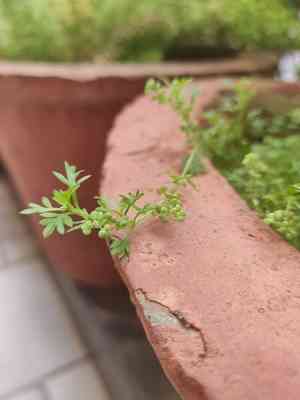
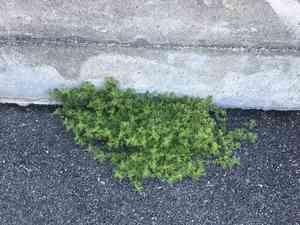
Images of Lesser swine-cress
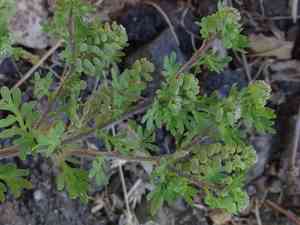
Quickly Identify Lesser swine-cress
1
Identifying Lepidium didymum involves noting its low growth habit, composite flowers with four green petals, and pinnately divided leaves with toothed lobes.
Scientific Classification of Lesser swine-cress
Phylum
Vascular plants
Class
Dicotyledons
Order
Brassicales
Family
Cruciferae
Genus
Peppercresses
Species
Lesser swine-cress
Planting and Growing of Lesser swine-cress
Care Difficulty
Easy
Watering Schedule
Every 4 days
Sunlight Requirements
Partial sun
Sunshine Duration
6-10 hours
Ideal Temperature
60-75℉
Soil Type
Potting Mix, Peat Mix
Soil pH
6.5-7.5
Fertilizer Type
Balanced
Pruning Season
Spring, Summer
Pruning Area
Branches, Leaves
Pruning Frequency
2 times a year
Repotting Season
Spring
Pot Type
Plastic, Ceramic
 How to Water Lesser swine-cress?
When watering Lepidium didymum, it is essential to saturate the soil thoroughly but avoid waterlogging. The ideal amount is about 250 milliliters per watering session. This volume ensures the roots receive adequate moisture while allowing excess to drain, preventing root rot. Water just until you see the first signs of moisture at the base of the pot.
What are the symptoms of an underwatered Lesser swine-cress?
›
What should I do if my Lesser swine-cress is not getting enough water?
›
What are the symptoms of an overwatered Lesser swine-cress?
›
How to save an overwatered Lesser swine-cress?
›
 What Are the Sunlight Requirements for Lesser swine-cress?
Lepidium didymum thrives in partial sunlight settings, preferring 3 to 4 hours of daily exposure. Ideal light ensures balanced growth, rich foliage colors, and sustainable health with reduced stress levels.
What is the ideal location for Lepidium didymum?
›
How can I monitor light levels for Lepidium didymum?
›
What benefits does Lepidium didymum experience from ideal light conditions?
›
 What Is the Ideal Temperature Range for Lesser swine-cress?
Lepidium didymum, also known as Lesser Swine-cress, thrives in a moderate temperature range between 60°F and 75°F. This range provides optimal conditions for growth and development, ensuring robust foliage and healthy root systems. Maintaining this temperature helps mitigate stress and supports plant metabolic processes such as photosynthesis and respiration. To achieve consistent growth, it is crucial to monitor and regulate temperature within this ideal window.
 What Soil is Best for Lesser swine-cress?
Lepidium didymum thrives in nutrient-rich soil. The presence of ample nutrients boosts its growth rate and enhances leaf production, ensuring a lush appearance. Regularly enriching the soil with organic compost can provide essential nutrients, preventing nutrient deficiency and promoting vigorous plant health. This plant requires well-drained soil to prevent root rot. Ensuring the soil drains quickly after watering will avert excess moisture that could harm the roots. Adding sand or gravel to your soil can be an effective way to improve drainage and maintain healthy root development. While drainage is important, retaining some soil moisture is crucial for the continuous hydration of Lepidium didymum. A balanced soil mix that holds moisture yet drains well encourages steady growth. Peat moss or coco coir can help in maintaining the desired moisture balance effectively.
 How to Fertilize Lesser swine-cress?
For Lepidium didymum, a small dose goes a long way. Generally, apply 1/4 strength of a general-purpose liquid fertilizer. This ensures that the plant receives nutrients without overwhelming its root system.
 How to Prune Lesser swine-cress?
Inspect the plant for any dead, damaged, or diseased stems. These should be removed first to promote healthy growth. Additionally, thin out crowded areas to ensure good air circulation. Cut just above a leaf node or a dormant bud. This will encourage new growth from that point. Avoid cutting too close or leaving a stub, which can attract pests and diseases. After pruning, water the plant well and consider applying a balanced fertilizer to encourage recovery and vigorous new growth. Keep an eye on your plant for any signs of stress or disease.
 How to Propagate Lesser swine-cress plant?
1
Collect seeds from mature Lepidium didymum plants once pods are dry but not yet open. This ensures seed viability and a better germination rate.
2
Sow the seeds evenly across a seed tray filled with potting soil, covering them lightly. Maintain consistent moisture and temperature conditions for optimal germination.
3
Once seedlings have developed several true leaves, carefully transplant them into individual pots, ensuring both roots and soil remain intact to minimize transplant shock.
 How to Repot Lesser swine-cress plant?
1
Look for signs like roots emerging from drainage holes, poor water retention, or slowed growth. These are indicators that Lepidium didymum is feeling cramped and could benefit from a larger pot to support its continued health and growth.
2
Select a container that's slightly larger than the current one, with good drainage holes to prevent waterlogging. This helps avoid root rot and promotes healthy root development, crucial for Lepidium didymum's vigor.
3
Opt for a well-draining potting mix that retains some moisture but prevents water from pooling. This ensures the roots get enough air and nutrients without being left in soggy conditions, crucial for maintaining the plant's health.



