How Much Sunlight Do Shoestring fern Need?
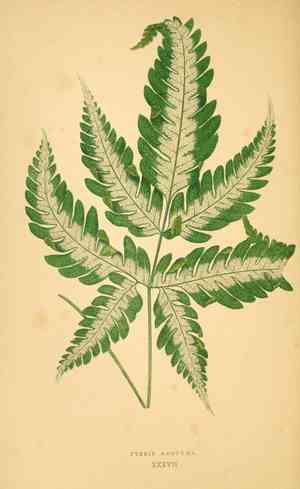
1
The Shoestring fern flourishes in areas with partial to complete shade, generally needing around 3-6 hours of diffused light each day.
2
Too much direct sun exposure can scorch the tender leaves of a Shoestring fern.
3
When grown indoors, positioning your Shoestring fern by a window facing north or east is usually optimal.
Understanding the Sunlight Needs of Shoestring fern
Natural Habitat and Light Conditions
The Shoestring fern, a delicate and graceful species, naturally flourishes in dappled light under the canopies of tropical forests. In the wild, these ferns are accustomed to receiving filtered sunlight as it penetrates through dense foliage overhead. This natural habitat of shady understory conditions means that the Shoestring fern has adapted to thrive without prolonged exposure to direct sunlight.
How Sunlight Influences Growth
Sunlight plays a crucial role in the growth and health of a Shoestring fern. While indirect or filtered light is ideal, this plant still needs a healthy dose of light to sustain its lush, green fronds. Too little light can result in slow growth and pale, weakened fronds, whereas too much sunlight can burn the delicate leaves, causing brown spots and crispy edges. Striking the right balance is key to supporting vibrant and healthy growth.
Ideal Sunlight Conditions for Shoestring fern
Preferred Light Intensity
The Shoestring fern flourishes in low to medium light conditions. It prefers bright, indirect light or dappled sunlight. A location that receives morning light or filtered light through sheer curtains can be ideal for your fern. Avoid placing it in full sun, especially during the harsh midday hours when sunlight is most intense.
Duration of Sunlight Exposure
For optimal growth, the Shoestring fern should receive around 3-6 hours of indirect sunlight daily. This duration allows the plant to photosynthesize effectively without causing stress from overexposure. Inadequate light exposure can slow down its growth, while too much direct sunlight can damage the fronds.
Indoor vs. Outdoor Light Conditions
When grown indoors, the Shoestring fern thrives in bright, indirect light. Placing it near a north or east-facing window is often ideal. Outdoors, they can be placed in shaded areas such as under trees or in locations where they receive filtered sunlight throughout the day. Always monitor the fern to ensure it's not receiving too much direct sunlight, especially during peak hours.
Signs of Too Much or Too Little Sunlight
Symptoms of Overexposure
The Shoestring fern will show clear signs if it's getting too much sunlight. Look for brown or scorched tips on the fronds, faded coloration, or fronds that appear brittle and crispy. These symptoms indicate that the plant is stressed and needs to be moved to a location with less direct sunlight.
Symptoms of Insufficient Light
When a Shoestring fern doesn't receive enough light, the fronds may become pale and the growth will slow significantly. You might also notice that the plant starts to produce smaller, weaker fronds. Adjusting the placement to ensure it receives the appropriate amount of indirect light can help rectify these issues.
Adjusting Sunlight for Healthy Growth
Optimizing Location in Your Home
To optimize the sunlight for your Shoestring fern indoors, choose a spot where it can receive bright, indirect light. North or east-facing windows are generally best, as they offer the gentle morning light which is ideal for this delicate plant. If natural light is insufficient, consider moving the plant to a brighter spot or closer to a window.
Using Artificial Lighting
If your home lacks natural light, artificial grow lights can be a great alternative. Use full-spectrum LED grow lights, positioning them around 12-24 inches (30-60 cm) above the fern. This setup will mimic the natural light conditions, providing your fern with the necessary light to thrive. Ensure you follow the recommended durations for artificial light exposure to avoid overexposure.
Seasonal Light Adjustments
Seasonal changes can affect the amount of natural light your Shoestring fern receives. During shorter winter days, you might need to supplement with artificial light to maintain the same light intensity the plant receives in summer. Adjusting the lighting setup according to the seasons ensures your fern continues to receive optimal light year-round.
Frequently Asked Questions About Shoestring fern Sunlight Needs
Can Shoestring fern Grow in Low Light Conditions?
Yes, the Shoestring fern can tolerate low light conditions but may not thrive as robustly. While it can survive in lower light, providing bright, indirect light will ensure healthier, more vibrant growth. If natural light is limited, consider using grow lights to supplement.
What are the Best Windows for Shoestring fern Placement?
The best windows for placing your Shoestring fern are those that offer bright but indirect light. North-facing windows work well because they provide consistent but not harsh light. East-facing windows are also suitable, offering gentle morning sunlight without the intensity of afternoon sun.



