
Shoestring fern (Vittaria lineata)
Also known as: Shoestring Fern, Tape Fern
The shoestring fern, scientifically named **Vittaria lineata**, is an epiphytic plant, meaning it grows on other plants without harming them. Its name, "shoestring fern," comes from its slender, hanging fronds that resemble green shoelaces. The Latin name **lineata** honors the renowned Swedish botanist Carl Linnaeus (1707-1778), who is famous for developing the system of naming and classifying organisms.
In This Article
Attributes of Shoestring fern
Lifespan
Perennial
Plant Type
Herb
Plant Height
Up to 1 meter
Spread
N/A
Leaf Color
Bright Green
Flower Size
N/A
Flower Color
N/A
Images of Shoestring fern
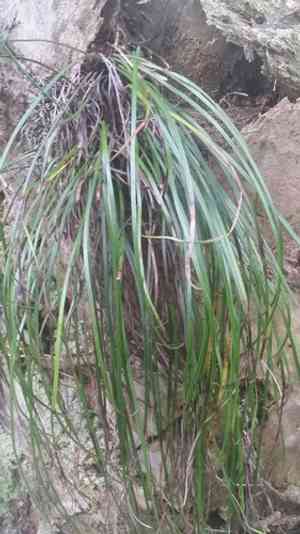
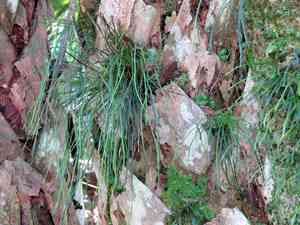
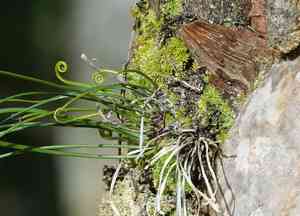
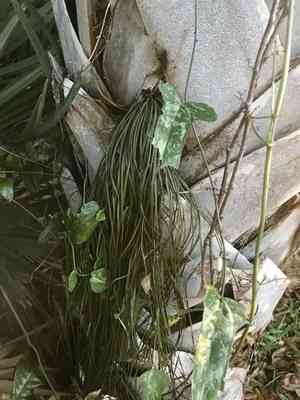
Quickly Identify Shoestring fern
1
This fern can be identified by its long, narrow, strap-shaped fronds that can reach lengths of up to 1 meter. The fronds are typically bright green and have a leathery texture.
Scientific Classification of Shoestring fern
Phylum
Vascular plants
Class
Ferns
Order
Polypodiales
Family
Brake
Genus
Shoestring fern
Species
Shoestring fern
Planting and Growing of Shoestring fern
Care Difficulty
Easy
Watering Schedule
Every 3 days
Sunlight Requirements
Full shade
Sunshine Duration
6-8 hours
Ideal Temperature
65-75℉
Soil Type
Potting Mix, Peat Mix
Soil pH
6.5-7.5
Fertilizer Type
Balanced
Pruning Season
Spring, Summer
Pruning Area
Branches, Leaves
Pruning Frequency
2 times a year
Repotting Season
Spring
Pot Type
Plastic, Ceramic
 How to Water Shoestring fern?
For Vittaria lineata, it's crucial to keep the soil moist but not waterlogged. A good approach is to water until you see it emerging from the drainage holes, suggesting thorough hydration. Aim for around 200ml per session, allowing the soil to retain enough moisture for its delicate roots.
What are the symptoms of an underwatered Shoestring fern?
›
What should I do if my Shoestring fern is not getting enough water?
›
What are the symptoms of an overwatered Shoestring fern?
›
How to save an overwatered Shoestring fern?
›
 What Are the Sunlight Requirements for Shoestring fern?
Vittaria lineata thrives under partial sun or complete shade conditions. Optimal lighting encourages robust growth, maintaining its unique leaf texture and deep green coloration vital for its aesthetic and biological health.
More About Sunlight Requirements Techniques→
How much light does Vittaria lineata need?
›
How to achieve ideal lighting?
›
What are the benefits of correct lighting?
›
 What Is the Ideal Temperature Range for Shoestring fern?
The ideal temperature range for Vittaria lineata is between 65°F and 75°F. This range provides optimal conditions for growth, ensuring that the plant's physiological processes function at their best. Maintaining this temperature range helps promote robust leaf development and healthy root systems, contributing to the overall vitality of the plant.
 What Soil is Best for Shoestring fern?
Vittaria lineata thrives in well-drained soil to prevent waterlogging, which can lead to root rot. Proper drainage ensures healthy growth and allows the fern to absorb essential nutrients efficiently. The plant requires moderately moist soil consistently. This moisture balance supports its natural habitat conditions and promotes robust growth and lush foliage, enhancing its ornamental appeal. A nutrient-rich soil enhances Vittaria lineata's growth by providing essential minerals and nutrients. This results in vigorous verdant fronds that make it a beautiful addition to any setting.
 How to Fertilize Shoestring fern?
Vittaria lineata, commonly known as shoestring fern, prefers a balanced approach when it comes to fertilization. A quarter-strength solution of liquid fertilizer every two weeks during the growing season ensures adequate nutrient supply. For slow-release fertilizers, a dose of half a teaspoon per plant applied three times a year suffices.
 How to Prune Shoestring fern?
Focus on trimming discolored, damaged, or drooping fronds. These can divert resources away from the healthier parts of the plant, so removing them allows for better nutrient distribution and enhances the plant's attractiveness. Start by examining the plant closely to identify fronds that require trimming. Make precise cuts at the base of these fronds, avoiding excessive removal to prevent stress. Trim sparingly—remove only a third of the fronds at a time to avoid shocking the plant.
More About Pruning Techniques→
 How to Propagate Shoestring fern plant?
1
Water the plant thoroughly a day before propagation to ensure it is healthy and well-hydrated. It helps reduce stress during the division process.
2
Carefully remove the plant from its pot and gently separate the rhizomes with a sharp, sterilized knife. Ensure each section has healthy roots and fronds.
3
Place each division into its own pot with fresh potting media. Firm the soil gently around the roots, and water lightly to settle the soil.
 How to Repot Shoestring fern plant?
1
Repot your Vittaria lineata when the roots start to overcrowd the pot, emerging from the drainage holes. This signals that the plant demands more space to grow. Typically, new shoots may also indicate it's thriving and ready for a bigger environment.
2
Select a shallow pot that provides ample width, allowing the fern's roots to spread comfortably. Terracotta pots are ideal as they aid in moisture regulation, preventing waterlogging, and providing a natural aeration that favors the plant's growth.
3
Opt for a well-draining orchid mix to mimic its natural habitat. This mix allows for ideal aeration and moisture control, reducing the risk of root rot and ensuring the roots receive ample airflow, which is crucial for their development.



