How Much Sunlight Do Kashubian vetch Need?
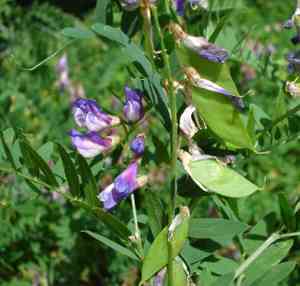
1
Kashubian vetch flourishes with more than 6 hours of direct sun each day.
2
It can adapt to conditions with some partial shade.
3
Use a light meter to track sunlight for best development!
What Light Conditions Does Kashubian Vetch Need?
Full Sun Exposure
For optimal development, Kashubian vetch flourishes best in full sun. This implies it should get over 6 hours of direct solar exposure daily. Full sun promotes robust roots, vivid foliage, and abundant blossoms. If planting outdoors, select a south-facing spot to maximize light.
Partial Shade Tolerance
While Kashubian vetch prefers full sun, it can endure partial shade. However, in these conditions, the plant might not reach its full potential in terms of flowering and leaf density. Partial shade areas receive 3-6 hours of direct sun or filtered light throughout the day. This adaptability makes it a versatile garden addition.
Optimal Sunlight for Kashubian Vetch
Daily Light Requirements
To thrive, Kashubian vetch requires at least 6-8 hours of sunlight daily. Consistent exposure to sufficient light is vital for photosynthesis, directly impacting the plant's growth and vitality. For gardeners in areas with intense midday sun, consider providing some afternoon protection to prevent scorching.
Seasonal Light Fluctuations
Seasonal variations can impact light availability. During spring and summer, longer days offer ample sunlight for Kashubian vetch. Conversely, fall and winter bring shorter days and reduced light. During these periods, ensure the plant receives maximum possible light and consider supplementary lighting if grown indoors.
Advice for Ensuring Proper Light for Kashubian Vetch
Selecting the Correct Site
Choosing the right location for your Kashubian vetch is crucial. Opt for a spot that gets plenty of morning sun and some afternoon shade if needed. Ensure no large trees or structures obstruct sunlight during the day.
Adapting for Indoor Cultivation
If growing Kashubian vetch indoors, position it near a bright, east-facing window to maximize morning light. You can also use grow lights to supplement natural light, especially during shorter winter days. Keep lights on for about 12-14 hours daily to mimic outdoor conditions.
Utilizing Reflective Surfaces
Boost the sunlight your Kashubian vetch receives by using reflective materials like white walls or aluminum foil. Place these materials around the plant to reflect and intensify available light, ensuring the plant gets an even distribution of illumination.
Common Light-Related Issues for Kashubian Vetch
Indicators of Excessive Light
Too much sunlight can scorch Kashubian vetch leaves, causing them to yellow or brown and wilt. To prevent this, provide shade during peak sun hours or move the plant to a less intense spot.
Symptoms of Insufficient Light
Conversely, inadequate sunlight can lead to leggy growth, where stems stretch towards the light source, and sparse foliage. Leaves may also appear pale green. If these symptoms occur, ensure the plant gets more direct sunlight to restore its health.
Balancing Light and Moisture Needs
Balancing light and water is essential for Kashubian vetch. Increased sunlight means the plant may need more water due to higher evaporation rates. Regularly check soil moisture and adjust your watering schedule accordingly to prevent dehydration or overwatering.
How to Monitor Light for Kashubian Vetch
Employing Light Meters
A light meter is an excellent tool to precisely measure the amount of light your Kashubian vetch receives. These devices provide readings in foot-candles or lux, helping ensure the plant gets adequate light throughout the day. Place the sensor near the plant's leaves and check readings at different times.
Observational Methods
Simple observation techniques can also be effective. Monitor the plant's response to its light environment. Healthy, vibrant leaves and steady growth indicate sufficient light. Regularly observing changes in the plant's appearance can help you understand and adjust to its light requirements.



