How to Prune Kashubian vetch?
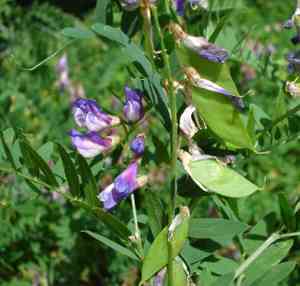
Kashubian vetch, a perennial legume commonly found in grasslands, flourishes with trimming following its blooming period in late spring or early summer. This trimming should be minimal, concentrating on removing faded flowers to stimulate fresh development and hinder self-seeding. Furthermore, judicious cutting of excessively long stems can preserve the plant's form and foster strong vitality. This type of maintenance encourages a more substantial leaf presentation in the next growth cycle, simultaneously preventing the plant from overtaking garden areas.
Advantages of Trimming Kashubian Vetch
Advantages of Trimming Kashubian Vetch
Trimming kashubian vetch promotes robust, energetic development and maintains its intended form. Precise cuts can stimulate new growth, ensuring a lush and thriving plant.
Optimal Time for Trimming Kashubian Vetch
Optimal Time for Trimming Kashubian Vetch
The best time for trimming kashubian vetch coincides with its active growth period, typically in Spring and Early Summer. During these seasons, kashubian vetch experiences vigorous growth. Trimming in Spring, as new growth emerges, encourages healthy development and a denser habit. By Early Summer, any excessive or leggy growth can be cut back to maintain shape and direct the plant's energy towards healthy shoots. This timing also helps prevent disease, as cuts are more likely to heal rapidly due to the quick growth during these periods. Avoid trimming in late Summer or Autumn as this can disrupt the plant's preparation for dormancy and potentially hinder next season's growth and flowering.
Necessary Tools for Trimming Kashubian Vetch
Bypass Pruners
Kashubian vetch is a legume that generally requires light trimming for shaping and managing its size. Bypass pruners are suitable as they create clean cuts without crushing the plant's stems, which aids in healthy regrowth and disease prevention.
Gloves
When trimming kashubian vetch, gardeners should safeguard their hands with sturdy gloves. This helps prevent scratches from the plant's stems and any thorns, and ensures cleanliness when working with plants to avoid spreading plant diseases.
Pruning Shears
For the slender and delicate stems of kashubian vetch, pruning shears are perfect. A sharp blade allows for precision and ease when cutting back the plant or removing dead or diseased foliage. This can prevent overcrowding and enhance air circulation.
How to Trim Kashubian Vetch
Sanitize
Before beginning to trim kashubian vetch, clean and sterilize all trimming tools to prevent disease transmission. Use a solution of 1 part bleach to 9 parts water or rubbing alcohol to disinfect the shears.
Remove Diseased Leaves
Carefully inspect the plant for any affected leaves. Use the pruning shears to snip them off where they meet the stem, being careful not to harm nearby healthy foliage.
Eliminate Withered Leaves
Identify withered leaves on kashubian vetch, which appear dry and brown. Gently remove them by hand if they detach easily or use shears to cut them at the base of the leaf stem.
Cut Diseased Stems
Examine kashubian vetch for any stems showing signs of disease, such as discoloration or cankers. Trim these stems back to a healthy section, ensuring the cut is made just above a leaf node or bud.
Disposal
Dispose of all removed diseased leaves and stems promptly and responsibly. Do not compost as they may harbor pathogens that could infect other plants.
Common Trimming Errors with Kashubian Vetch
Over-trimming
Removing too much of kashubian vetch's growth can stress the plant, impede its development, or lead to a reduced blooming period. Beginners might not recognize the resilient nature of kashubian vetch and may trim excessively.
Improper cuts
Making cuts at incorrect angles or leaving stubs can expose kashubian vetch to diseases and pests. Clean cuts are crucial for promoting the plant's good health.
Ignoring dead or diseased material
Failing to remove dead or diseased growth is a common error that can lead to further infection or spread disease throughout kashubian vetch.
Trimming too early
While this advice omits seasonal timing, a common mistake is trimming before kashubian vetch has fully established or when it is developing new shoots, which can negatively impact its vigor.
Using dirty tools
Gardeners, both new and experienced, might inadvertently use unclean tools, which can spread disease among different parts of kashubian vetch or even between plants.
General Trimming Advice for Kashubian Vetch
Sharp tools
Ensuring trimming tools are sharp and clean will help make precise cuts that heal quickly and reduce the risk of disease for kashubian vetch.
Diseased material
Always remove any dead or diseased stems, leaves, or flowers promptly to maintain the health and appearance of kashubian vetch.
Growth direction
Trim kashubian vetch to encourage growth in the desired direction, which promotes a more attractive and controlled plant form.
Thin congested areas
Thinning out crowded areas of kashubian vetch can increase air circulation and light penetration, reducing the risk of disease and encouraging more robust growth.
Trim for structure
Focus on trimming kashubian vetch to maintain an open, strong structure, which can support the weight of blooms and resist damage from wind or heavy rain.



