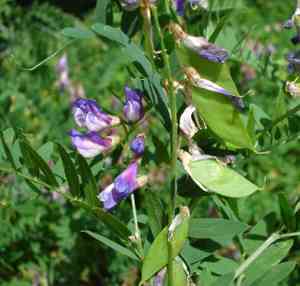
Kashubian vetch (Vicia cassubica)
Also known as: Cassubian Vetch, Kashubian Vetch
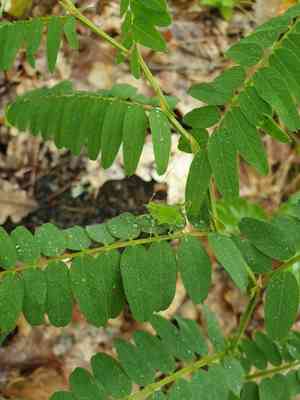
The Kassuben vetch is a perennial herbaceous plant characterized by a branchy, creeping basal axis and short, thick bases. Its stems, typically singular, can be simple or branched and are generally upright, though they can occasionally be prostrate or climbing. The stems range from 30 to 60 cm in length and are angular, with leaves that are covered in short, soft hairs or becoming hairless over time.
In This Article
Attributes of Kashubian vetch
Lifespan
Perennial
Plant Type
Herb
Plant Height
30 cm to 60 cm
Spread
N/A (Climbing plant)
Leaf Color
Green
Flower Size
1-1.5 cm
Flower Color
Pink Purple
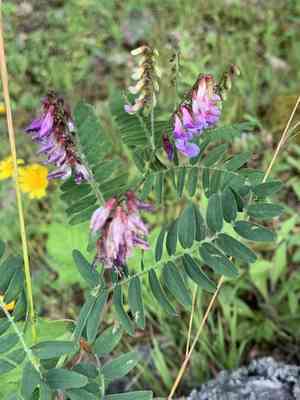
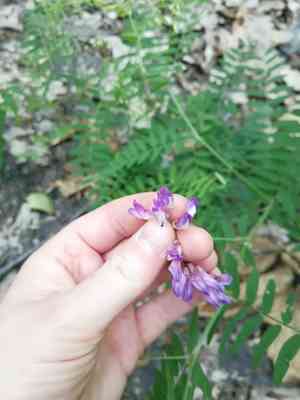
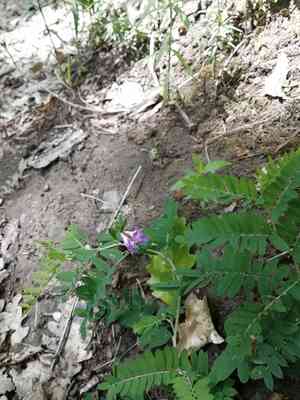
Images of Kashubian vetch
Quickly Identify Kashubian vetch
1
Look for climbing stems that can reach up to 2 meters long, clustered purple flowers, and compound leaves with multiple paired leaflets ending in tendrils.
Scientific Classification of Kashubian vetch
Phylum
Vascular plants
Class
Dicotyledons
Order
Fabales
Family
Legume
Genus
Vetches
Species
Kashubian vetch
Planting and Growing of Kashubian vetch
Care Difficulty
Easy
Watering Schedule
Every 3 days
Sunlight Requirements
Partial sun
Sunshine Duration
4-8 hours
Ideal Temperature
60-75℉
Soil Type
Potting Mix, Peat Mix
Soil pH
6.5-7.5
Fertilizer Type
Balanced
Pruning Season
Spring, Summer
Pruning Area
Branches, Leaves
Pruning Frequency
2 times a year
Repotting Season
Spring
Pot Type
Plastic, Ceramic
 How to Water Kashubian vetch?
For Vicia cassubica, each watering session should supply approximately 500 milliliters of water. It's important to ensure that the soil is evenly moist but not waterlogged. A good rule of thumb is to water until a small amount seeps out of the drainage holes, ensuring the root system is adequately hydrated without drowning.
What are the symptoms of an underwatered Kashubian vetch?
›
What should I do if my Kashubian vetch is not getting enough water?
›
What are the symptoms of an overwatered Kashubian vetch?
›
How to save an overwatered Kashubian vetch?
›
 What Are the Sunlight Requirements for Kashubian vetch?
Partial sun is optimal, as it balances photosynthesis and protects against excessive heat. Ideal lighting supports healthy growth, lush foliage, and robust flowering, enhancing Vicia cassubica's overall vitality.
More About Sunlight Requirements Techniques→
What is the best lighting condition?
›
How to achieve ideal lighting?
›
What benefits arise from ideal lighting?
›
 What Is the Ideal Temperature Range for Kashubian vetch?
The ideal temperature range for Vicia cassubica is between 60°F and 75°F. This range ensures optimal growth and metabolic function, allowing the plant to photosynthesize effectively and support healthy development.
 What Soil is Best for Kashubian vetch?
Vicia cassubica thrives in nutrient-rich soil, which supports its vigorous growth and flowering. A rich mix provides the plant with essential nutrients, encouraging robust root and foliage development. The plant requires well-drained soil to prevent waterlogging, which can lead to root rot. Proper drainage ensures that the roots receive adequate oxygen and reduces the risk of fungal infections. Vicia cassubica prefers soil with a neutral to slightly alkaline pH. This range allows optimal nutrient absorption, helping the plant maintain health and vigor.
 How to Fertilize Kashubian vetch?
Vicia cassubica requires a balanced approach to fertilization. Use 10 grams of a balanced 10-10-10 NPK fertilizer per square meter. This allows the plant to receive adequate nutrients without overwhelming its growth processes. Care must be taken not to over-fertilize, as this can lead to nutrient burn and inhibit root development.
 How to Prune Kashubian vetch?
Begin by inspecting the plant for any dead, damaged, or diseased stems, which should be removed first to improve the plant's overall health. Sharp, clean pruning shears are essential to make clean cuts. Next, focus on thinning out congested areas to enhance air circulation. Consider cutting back any overly long or unruly stems to maintain a balanced shape. Always prune just above a node to encourage new growth.
More About Pruning Techniques→
 How to Propagate Kashubian vetch plant?
1
Before planting, scarify the seeds by lightly rubbing them with sandpaper. This step improves water absorption, increasing the chances of successful germination when sown.
2
For cuttings, select healthy, non-flowering shoots. Cut a section about 10 cm long and remove the lower leaves. Dip the cut end in rooting hormone to encourage root development.
3
To divide, dig up older, established plants during early spring. Carefully separate the roots ensuring each section has several shoots and replants immediately into prepared soil.
 How to Repot Kashubian vetch plant?
1
Repotting Vicia cassubica is necessary when roots start growing out of the drainage holes or when the plant becomes root-bound. Typically, if the plant appears stunted or its growth is sluggish, it's signalling a need for a new pot. Maintain a watchful eye for the shedding of leaves or browning tips as additional indicators.
2
Choose a pot that is one to two sizes larger than the current one to give the roots ample space to grow. Ensure it has good drainage holes to prevent waterlogging, which is vital for the health of Vicia cassubica. A terracotta pot is ideal as it promotes air circulation and reduces the risk of root rot.
3
Select a soil that is well-draining yet moisture-retentive. A loamy soil mix enriched with organic matter, such as compost or aged manure, works best. This soil combination will provide nutrients while allowing excess water to drain, mimicking Vicia cassubica's natural habitat conditions.
Learn More About Kashubian vetch Diseases
Anthracnose
Bacterial Leaf Spot
Bacterial Wilt
Crown Gall
Cyst Nematode
Damping-off
Downy Mildew
Drought Stress
Fusarium Wilt
Gray Mold
Leaf Spot
Mosaic
Nutrient Deficiency
Nutrient Toxicity
Powdery Mildew
Root Rot
Root-knot Nematode
Rusts
Sooty Mold
Spider Mites
Temperature Stress
Thrips Damage
White Mold



