How Much Sunlight Do Common Speedwell Need?
1
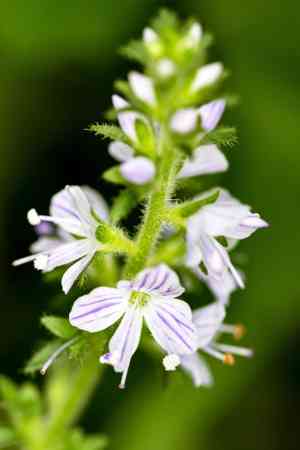
Common Speedwell flourishes in bright sunlight, indicating it performs optimally with over six hours of direct sun daily.
2
Although it can endure some shade, insufficient light may hinder its development and flowering.
3
Employing artificial grow lights is an excellent alternative if cultivating Common Speedwell indoors without adequate natural illumination.
Ideal Light Conditions for Veronica officinalis
Full Sun Requirements
Veronica officinalis flourishes best in full sun. It requires a minimum of six hours of direct solar exposure daily to achieve its full potential. This level of light promotes vigorous development and abundant flowering. Positioning it where it receives morning and early afternoon sun will result in healthier foliage and more vibrant blossoms. It is essential for cultivators to understand that full sun is not merely a preference but a prerequisite for optimal growth of this plant.
Partial Shade Tolerance
Veronica officinalis can endure partial shade, but this needs careful management. While it may still grow with 3 to 6 hours of sun, excessive shade can lead to fewer flowers and elongated, spindly growth. Optimal partial shade conditions would involve several hours of direct morning sunlight followed by filtered or indirect light for the remainder of the day. In particularly hot climates, partial shade can also offer protection during the intense midday sun.
Ensuring Proper Light Exposure for Veronica officinalis
Optimal Planting Locations
Selecting the appropriate site is vital for providing adequate light exposure for Veronica officinalis. Choose an open area in your garden not obscured by taller plants, trees, or structures. Ideally, an area with southern or western exposure will maximize sun absorption. Avoid planting too close to walls or fences that might cast shadows for a significant portion of the day.
Adapting to Seasonal Changes
As seasons shift, so do sunlight patterns. During spring and summer, the sun is higher, and days are longer, naturally providing more light for Veronica officinalis. However, in autumn and winter, the sun is lower, and shadows are extended. To compensate, you might need to move potted plants to brighter spots or use reflective materials to direct more light onto the plant. Pruning nearby foliage can also help maintain sufficient light levels throughout the year.
Recognizing Light-Related Issues in Veronica officinalis
Indicators of Excessive Sunlight
Although Veronica officinalis loves light, too much can cause distress. Signs of overexposure include scorched or bleached leaves, with areas turning white or brown, and crispy leaf margins. The plant might also wilt during the hottest parts of the day despite adequate moisture. If these symptoms appear, consider providing some midday shade or relocating the plant to a slightly more sheltered position.
Symptoms of Insufficient Sunlight
A lack of light can significantly hinder the well-being of Veronica officinalis. Look for indicators such as leggy, stretched stems, pale or yellowing leaves, and reduced flowering. These symptoms suggest the plant is striving for more light. To remedy this, move the plant to a brighter area or trim back surrounding foliage that is creating too much shade.
Maximizing Indoor Light for Veronica officinalis
Selecting the Right Windows
For indoor Veronica officinalis, window placement is critical. South-facing windows are the best option as they offer the most consistent light throughout the day. East or west-facing windows can also work, but remember that east-facing windows provide gentle morning light, while west-facing ones offer intense afternoon sun. Ensure windows are clean to allow maximum light penetration.
Using Supplemental Grow Lights
If natural light is insufficient, grow lights are an excellent alternative. Opt for full-spectrum LED grow lights, which emulate natural sunlight by delivering the necessary range of light wavelengths. Position the grow lights approximately 6-12 inches (15-30 cm) above the plant and keep them on for about 12-16 hours daily to simulate a natural day-night cycle. This will ensure your indoor Veronica officinalis receives enough light to flourish and bloom.



