How to Prune Common Speedwell?
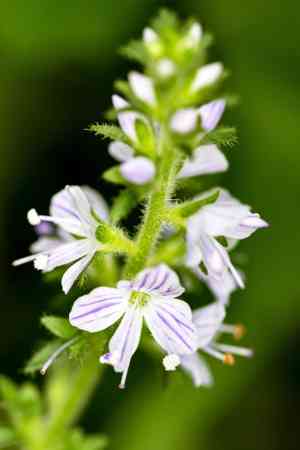
A resilient herb recognized for its therapeutic properties, common Speedwell flourishes with consistent trimming to preserve its dense form and promote air circulation. The most effective pruning takes place after flowering, generally from late spring until autumn. Eliminate faded blossoms and shorten elongated stems to boost vigor and inhibit self-propagation. This method stimulates fresh development and upholds the plant's well-being, resulting in a strong presentation in subsequent periods.
What Are the Benefits of Pruning Common Speedwell?
What Are the Benefits of Pruning Common Speedwell?
Trimming common Speedwell promotes robust development and helps maintain its desired form. Strategic cutting can enhance health, deter pests and diseases, and ensure a strong and neat appearance.
What Is the Best Time for Pruning Common Speedwell?
What Is the Best Time for Pruning Common Speedwell?
Late Spring trimming prepares common Speedwell for vigorous growth, ensuring the removal of any damaged or dead foliage from winter. Early Summer is ideal for cutting back flowers after the initial bloom to encourage a second flowering and to maintain shape. Fall pruning is beneficial for removing spent flowers and seed heads, reducing pest and disease risk, and providing a tidier appearance before winter dormancy.
What Tools Do I Need to Prune Common Speedwell?
Hand Pruners or Secateurs
Due to the delicate nature of common Speedwell and its relatively thin stems, hand pruners are perfect for making precise cuts without harming the plant. They allow the gardener to remove specific parts of the plant with minimal disturbance to the surrounding foliage.
Garden Shears
For shaping and trimming common Speedwell's foliage, garden shears are appropriate. They offer a quick and efficient way to cut through multiple stems at once, which is especially useful when common Speedwell is being pruned to maintain a tidy appearance.
Pruning Scissors
Common Speedwell may require fine-tuning or the removal of dead flowers and leaves. Pruning scissors are excellent for this type of detailed work, providing control and accuracy in tight spaces between stems.
How to Prune Common Speedwell
Clean tools
Sanitize your pruning shears with isopropyl alcohol to prevent the spread of disease while trimming common Speedwell.
Cut dead stems
Locate and carefully remove dead stems by cutting them at their base, where they meet healthy growth, avoiding damage to the healthy parts of common Speedwell.
Remove diseased foliage
Identify and carefully cut away any diseased foliage from common Speedwell, ensuring to capture all affected areas without cutting into healthy tissue.
Dispose of waste
Properly dispose of the removed dead stems and diseased foliage in a bin or by burning; do not compost as it may harbor pathogens that can affect common Speedwell later.
Water and mulch
After pruning, adequately water common Speedwell and apply mulch to support recovery, without covering the crown to prevent rot.
Common Pruning Mistakes with Common Speedwell
Over-pruning
Removing more than one-third of common Speedwell's foliage at once can stress the plant, potentially leading to reduced vigor and fewer blooms.
Using dull tools
Blunt pruning tools can damage common Speedwell's stems, leading to jagged cuts that are more susceptible to disease.
Random cutting
Cutting common Speedwell without a plan can result in an uneven shape and hinder the plant's natural growth pattern.
Neglecting diseased material
Failing to remove diseased or dead material from common Speedwell can allow problems to spread, impacting the plant's overall health.
Ignoring plant structure
Not considering the structure of common Speedwell causes improper light penetration and air circulation, which are crucial for healthy growth and flowering.
Disregarding regrowth
Not accounting for regrowth when pruning common Speedwell can lead to overcrowding and poor form as the plant matures.
Common Pruning Tips for Common Speedwell
Sharp tools
Always use sharp, clean tools to make precise cuts on common Speedwell, which help prevent disease and encourage quicker healing.
Angled cuts
Make angled cuts just above leaf nodes or buds on common Speedwell. This directs new growth outward and prevents water from collecting on the cut surface.
Thinning
Thin out crowded areas of common Speedwell to improve light penetration and airflow, which helps the plant maintain health and vigor.
Shaping
Shape common Speedwell by selectively pruning to encourage a more compact, bushy growth habit. This enhances the plant's aesthetic and supports more abundant flowering.
Remove weak stems
Prune away weak or spindly stems from common Speedwell to redirect energy into stronger, more productive growth.
Disease management
Regularly inspect common Speedwell for signs of disease during pruning and promptly remove any affected parts to prevent the spread of pathogens.



