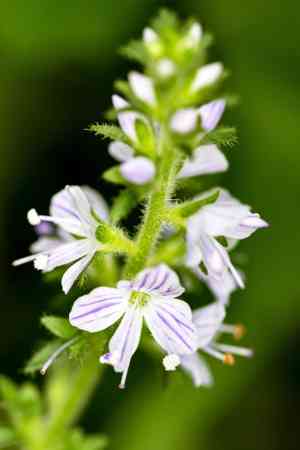
Common Speedwell (Veronica officinalis)
Also known as: Paul's Betony, Heath Speedwell
Common Speedwell (*Veronica officinalis*) is a perennial plant native to Europe and Western Asia. It thrives in meadows, woodlands, and grasslands. The plant produces small blue, purple, or pinkish flowers during the summer. Its hairy, heart-shaped fruit is popular with many bird species. While attractive, it can be challenging to remove from turfgrass.
In This Article
Attributes of Common Speedwell
Lifespan
Perennial
Plant Type
Herb
Plant Height
10 cm to 50 cm
Spread
30 cm
Leaf Color
Green
Flower Size
8 mm
Flower Color
White Purple Blue
Images of Common Speedwell
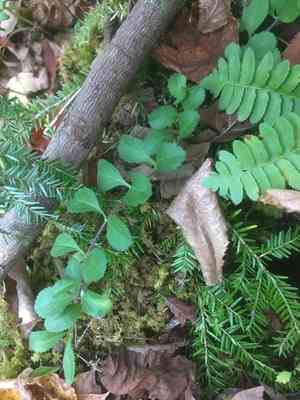
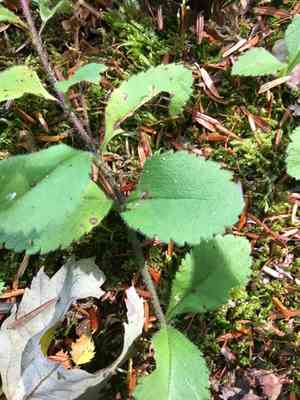
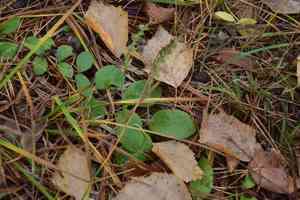
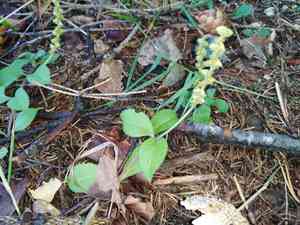
Quickly Identify Common Speedwell
1
Easy to identify by its small, blue-violet flowers which are arranged in spiked racemes. The leaves are oval to oblong, with a finely toothed margin and covered in soft hairs.
Scientific Classification of Common Speedwell
Phylum
Vascular plants
Class
Dicotyledons
Order
Lamiales
Family
Plantain
Genus
Speedwells
Species
Common Speedwell
Planting and Growing of Common Speedwell
Care Difficulty
Easy
Watering Schedule
Every 8 days
Sunlight Requirements
Full sun
Sunshine Duration
10-14 hours
Ideal Temperature
60-75℉
Soil Type
Potting Mix, Peat Mix
Soil pH
6.5-7.5
Fertilizer Type
Balanced
Pruning Season
Spring, Summer
Pruning Area
Branches, Leaves
Pruning Frequency
2 times a year
Repotting Season
Spring
Pot Type
Plastic, Ceramic
 How to Water Common Speedwell?
Veronica officinalis prefers a consistently moist environment but doesn't want to sit in waterlogged soil. Water deeply until the soil is moist to about an inch deep and allow excess water to drain away completely.
What are the symptoms of an underwatered Common Speedwell?
›
What should I do if my Common Speedwell is not getting enough water?
›
What are the symptoms of an overwatered Common Speedwell?
›
How to save an overwatered Common Speedwell?
›
 What Are the Sunlight Requirements for Common Speedwell?
Veronica officinalis flourishes with full to partial sunlight. Adequate light levels enhance photosynthesis, encouraging robust growth and flowering, resulting in a healthy, thriving plant.
More About Sunlight Requirements Techniques→
What type of sunlight does Veronica officinalis prefer?
›
How can I ensure my Veronica officinalis receives the ideal light?
›
What are the benefits of ideal light exposure for Veronica officinalis?
›
 What Is the Ideal Temperature Range for Common Speedwell?
For optimal growth, Veronica officinalis thrives best in temperatures ranging from 60°F to 75°F. These conditions mimic its natural habitat, which is typically temperate. Maintaining this temperature range ensures that the plant photosynthesizes efficiently, promoting healthy foliage and flowering. Deviations from this range can result in stunted growth and decreased flowering.
 What Soil is Best for Common Speedwell?
Veronica officinalis thrives in soil that retains just the right amount of moisture. This is essential because it prevents root rot, ensures adequate water supply, especially during dry spells, and promotes healthy growth. This plant prefers soil amended with organic matter or compost. Rich, nutrient-filled soil supports robust growth, enhances flowering, and ensures the plant remains vigorous throughout the growing season. Good drainage is crucial to avoid waterlogged conditions which can lead to root diseases. A well-draining soil allows excess water to escape, keeps roots healthy, and supports overall plant health.
 How to Fertilize Common Speedwell?
For Veronica officinalis, use a balanced liquid fertilizer at a diluted concentration, about half the label recommendation, to avoid root burn. For slow-release granules, follow package instructions, ensuring not to exceed 1 tablespoon per plant.
 How to Prune Common Speedwell?
Start by evaluating the overall health of the plant. Identify any dead, diseased, or damaged parts. Removing these first will prevent the spread of any issues. Trim back the tips of the plant to encourage a compact form and to stimulate bushier growth. Make cuts just above a leaf node or bud to foster healthy regeneration. After pruning, ensure all clippings are gathered and disposed of. Leaving debris around the base can encourage pests and diseases.
More About Pruning Techniques→
 How to Propagate Common Speedwell plant?
1
Gather ripe Veronica officinalis seeds from mature plants, ensuring they are fully developed and dry. Clean the seeds to remove any debris and store them in a cool, dry place until planting. You may also stratify seeds by placing them in a moist, cool environment to enhance germination potential just before sowing.
2
Select healthy, non-flowering stems from the mother plant. Use sharp pruners to snip 5-8 cm cuts just below a leaf node. Remove lower leaves, leaving some at the top to reduce water loss. This process ensures optimal cutting health and increases rooting success.
3
Divide mature Veronica officinalis plants in early spring when their growth resumes. Carefully lift the plant out of the soil and gently separate the root ball into sections, ensuring each division has root and shoot systems intact, which helps the new plants establish quickly.
 How to Repot Common Speedwell plant?
1
Veronica officinalis requires repotting when you notice roots circling the pot's bottom or growing through drainage holes. Another sign is stunted growth despite proper care, as this indicates that the plant has outgrown its current container. Repotting is best done during the growing seasons of spring and summer.
2
Choose a pot that is one to two inches larger in diameter than the current one. Ensure it has ample drainage holes to prevent water stagnation, which can lead to root rot. A slightly larger pot allows for healthy root expansion without leading to excess soil moisture, which is detrimental to Veronica officinalis.
3
Opt for well-draining, loamy soil to promote robust root health. Loamy soil provides the ideal balance of moisture retention and drainage, ensuring the roots receive enough air while preventing waterlogging. This soil type supports the vigorous growth of Veronica officinalis.



