How Much Sunlight Do Wavyleaf mullein Need?
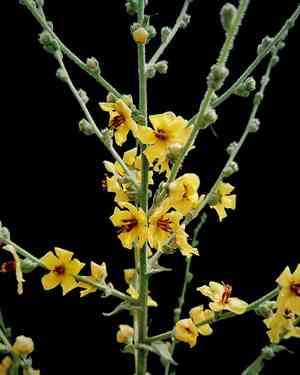
1
Wavyleaf mullein flourishes optimally in bright, direct sunlight, getting more than six hours of sun daily.
2
During periods of strong summer heat, offering partial shade in the afternoon can protect Wavyleaf mullein foliage from scorching.
3
Observe indicators of both too little and too much light, then modify your plant's surroundings as needed for peak development.
Optimal Light Conditions for Wavyleaf Mullein
Preferred Sun Exposure Duration
For your Wavyleaf mullein to thrive, aim for at least 6 hours of direct sunlight daily. This duration is perfect for efficient photosynthesis, fostering robust development and vibrant blossoms. Placing your plant where it gets ample morning sun and some afternoon light is best. However, intense afternoon sun might be harmful in extremely hot climates.
Full Sun vs. Partial Sun Requirements
While Wavyleaf mullein performs best in full sun, it can endure partial sun, meaning 3 to 6 hours of direct light. Nevertheless, in partial sun, you might notice less vigorous growth and fewer flowers. Full sun is especially vital during spring and summer when the plant is actively growing and flowering.
Seasonal Light Adjustments
Seasonal shifts can alter the amount of sunlight your Wavyleaf mullein receives. In autumn and winter, as days shorten, finding a sunny spot might involve relocating the plant to ensure sufficient light. Conversely, during peak summer, managing intense sunlight and heat becomes crucial. Using shade cloths or moving potted plants can help maintain ideal light exposure year-round.
Sunlight's Impact on Wavyleaf Mullein Development
Photosynthesis and Energy Creation
Sunlight powers photosynthesis, the process where Wavyleaf mullein converts light energy into chemical energy. Through this, the plant produces sugars and carbohydrates essential for growth and development. Insufficient sunlight slows photosynthesis, leading to reduced energy and stunted growth.
Effect on Flowering and Bloom Production
Adequate sunlight is critical for Wavyleaf mullein's flowering and blooming. Light stimulates bloom production, leading to a more impressive floral display. With too little sunlight, you might see fewer or delayed blooms. Maintaining consistent light helps ensure your plant produces a captivating show of flowers.
Signs of Inadequate or Excessive Sunlight for Wavyleaf Mullein
Indicators of Insufficient Light
Not enough sunlight can cause several problems for Wavyleaf mullein. The first and most obvious sign is leggy or stretched growth as the plant reaches for any available light. Additionally, leaves may appear dull or pale, and you might observe fewer flowers. If these signs appear, move the plant to a brighter location.
Symptoms of Overexposure to Sun
Conversely, too much sun, especially in very hot regions, can also harm Wavyleaf mullein. Signs of sun-scorched leaves include brown, crispy edges, and in severe cases, entire leaves turning brown and dropping. If the plant is exposed to excessive sunlight, particularly during peak afternoon hours, consider providing some shade to shield it from intense UV rays.
Optimizing Sunlight Exposure for Wavyleaf Mullein Health
Best Practices for Outdoor Cultivation
When planting Wavyleaf mullein outdoors, select a site that offers abundant direct sunlight for most of the day. A south-facing position is often ideal in the U.S. Monitor the plant's growth and adjust its placement if needed to ensure it gets the required light. In hotter areas, some afternoon shade can be beneficial.
Utilizing Shade Cloths and Sun Filters
Employing shade cloths or sun filters can be a practical way to manage sunlight exposure. These tools reduce light intensity without blocking it entirely, making them perfect for protecting Wavyleaf mullein during the hottest parts of the day. Shade cloths come in various densities, so choose one that provides the right balance of light and protection.
Placement for Indoor Cultivation
If growing Wavyleaf mullein indoors, position it near a south-facing window that receives ample light. Indoor plants may benefit from supplementary lighting, especially during shorter winter days. Use grow lights to ensure the plant gets consistent light, mimicking the natural outdoor sunlight conditions.



