Enhancing Your Garden Design with the Wavyleaf mullein Plant: A Landscaping Guide
1
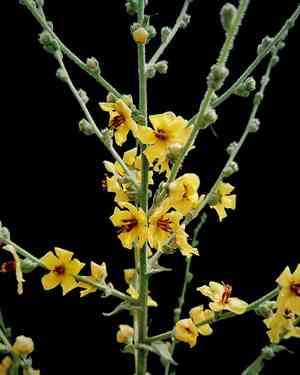
Wavyleaf mullein offers a distinctive aesthetic with its characteristic foliage designs.
2
Wavyleaf mullein conserves water, making it perfect for sustainable landscapes.
3
Wavyleaf mullein can be positioned thoughtfully to highlight garden paths and edges.
Introducing Wavyleaf mullein in Garden Design
Appreciating the Distinctive Beauty of Wavyleaf mullein
Wavyleaf mullein is celebrated for its unique wavy leaf patterns, bringing sophistication and allure to any garden. Its tall, impressive flower spikes also add elevation and structure to plant arrangements, standing out against lower-growing foliage. These characteristics make Wavyleaf mullein a flexible option for various landscape designs, whether you desire a natural or a more structured appearance.
Wavyleaf mullein's Role in Classic and Contemporary Garden Styles
Historically, Wavyleaf mullein has been used in cottage gardens and meadows, where its relaxed growth habit complements a casual, organic aesthetic. In modern garden design, Wavyleaf mullein's striking form can be employed in minimalist and contemporary settings to provide vertical interest. Its adaptability means it integrates smoothly into both traditional and cutting-edge garden schemes, making it a valuable plant for any garden style.
Ecological Advantages of Incorporating Wavyleaf mullein into Your Garden
Wavyleaf mullein's Contribution to Biodiversity and Local Ecosystems
Wavyleaf mullein plays a vital role in supporting local ecosystems by offering nectar and pollen for pollinators like bees and butterflies. This plant can foster a more biodiverse garden environment, attracting a variety of beneficial insects and birds. Planting Wavyleaf mullein is an excellent way to support your area's ecological health while enjoying its aesthetic benefits.
Water-Saving Qualities of Wavyleaf mullein
A key eco-friendly attribute of Wavyleaf mullein is its water efficiency. It thrives in arid conditions and requires significantly less water than many other garden plants. This makes Wavyleaf mullein an ideal choice for xeriscaping and drought-tolerant gardens, helping to conserve water and lessen the environmental impact of garden upkeep.
Strategic Placement of Wavyleaf mullein for Maximum Effect
Accentuating Paths and Borders with Wavyleaf mullein
Wavyleaf mullein can be strategically positioned along garden pathways and borders to create a visually striking outline. Its tall profile adds a sense of direction and can guide visitors through the garden. Furthermore, the texture and color of Wavyleaf mullein contrast beautifully with ground covers and shorter plants, providing a layered and dynamic landscape.
Utilizing Wavyleaf mullein as Focal Points in Garden Layouts
Given its height and distinctive leaf structure, Wavyleaf mullein serves as an excellent focal point in garden compositions. It can be planted in isolated spots to draw attention or in clusters to form a dramatic backdrop. Using Wavyleaf mullein as a centerpiece or interspersing it within plantings can create a cohesive and captivating garden design.
Seasonal Considerations for Wavyleaf mullein in Landscaping
Optimal Times of Year for Planting Wavyleaf mullein
The best time to plant Wavyleaf mullein is during spring or early autumn when temperatures are moderate and the soil retains some warmth. These conditions help Wavyleaf mullein develop robust root systems before the extreme heat of summer or cold of winter arrives. Planning your planting schedule around these seasons can ensure healthy growth and better longevity for Wavyleaf mullein in your garden.
Seasonal Care Advice for Wavyleaf mullein
Maintenance for Wavyleaf mullein varies throughout the year. In spring, applying a layer of mulch is beneficial to retain moisture and suppress weeds. During the growing season, occasional watering and fertilization encourage strong growth. In autumn, deadheading spent flowers can promote further blooming, and a light pruning can prepare the plant for winter dormancy. Proper seasonal care ensures Wavyleaf mullein remains a vibrant part of your landscape year-round.
Companion Plants for Wavyleaf mullein in Garden Design
Selecting Plants that Enhance Wavyleaf mullein's Beauty
Choosing plants that complement Wavyleaf mullein involves considering color, texture, and height. Companion plants with softer foliage or contrasting colors can enhance Wavyleaf mullein's striking appearance. For instance, pairing Wavyleaf mullein with plants that have silvery or blue tones can create a visually appealing contrast while ensuring a harmonious garden palette.
Crafting Harmonious Color and Texture Combinations
Achieving harmonious combinations with Wavyleaf mullein involves balancing different plant textures and colors. Pairing Wavyleaf mullein with grasses or other upright plants can create a cohesive vertical effect, while mixing in broad-leafed perennials adds a lush, layered look. Consider how the seasonal changes in foliage and bloom colors of complementary plants will interact with Wavyleaf mullein to maintain visual interest throughout the year.



