How to Prune Wavyleaf mullein?
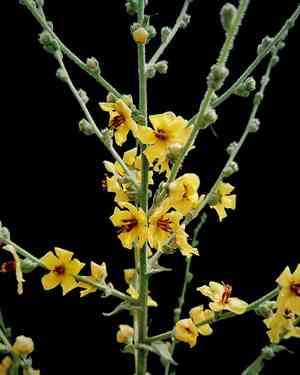
This enduring herbaceous variety, distinguished by its lofty, upright stalks and crinkled foliage, thrives with judicious trimming. For wavyleaf mullein, excise faded flower stalks to inhibit spontaneous reseeding and foster an orderly growth pattern. Any withered or compromised leaves ought to be clipped to preserve the plant's well-being. The most suitable period for pruning is during spring or early summer, coinciding with its vigorous growth period. Trimming wavyleaf mullein improves its aesthetic appeal and directs vitality towards the generation of robust leaves and blossoms.
What Are the Benefits of Pruning Wavyleaf Mullein?
What Are the Benefits of Pruning Wavyleaf Mullein?
Trimming wavyleaf mullein promotes stronger development and helps maintain its desired form. Regular removal of dead or weak branches improves air circulation and lowers disease risk, resulting in a healthier and more visually appealing plant.
What Is the Best Time for Pruning Wavyleaf Mullein?
What Is the Best Time for Pruning Wavyleaf Mullein?
Pruning wavyleaf mullein from late winter to early spring coincides with its dormant phase, minimizing stress and reducing susceptibility to disease. This timing also prepares the plant for robust growth in the upcoming season. Pruning immediately after flowering allows for shaping while leveraging the natural growth cycle, encouraging new blooms and preventing self-seeding. Following these guidelines significantly enhances the overall health and aesthetic appeal of wavyleaf mullein.
What Tools Do I Need to Prune Wavyleaf Mullein?
Hand Pruners (Secateurs)
Ideal for cutting dead or damaged stems of wavyleaf mullein. Their sharp blades ensure clean cuts, which helps prevent disease and encourages better regrowth.
Pruning Shears (Clippers)
Perfect for shaping and managing the size of wavyleaf mullein. These bypass shears allow for precise cuts without harming the remaining stems.
Loppers
Since wavyleaf mullein can have thicker stems, loppers are useful for cutting larger branches that hand pruners cannot easily manage.
Gardening Gloves
Protects the gardener's hands from the stiff, hairy leaves of wavyleaf mullein, which can be irritating to the skin during pruning.
How to Prune Wavyleaf Mullein
Disinfect Tools
Before pruning wavyleaf mullein, sanitize your pruning shears with isopropyl alcohol or a 10% bleach solution to prevent the spread of diseases.
Diseased Leaves
Carefully inspect wavyleaf mullein and remove any diseased leaves by cutting them at their base where they connect to the stem. Make a clean cut to avoid further stress to the plant.
Withered Leaves
Identify and prune off withered leaves from wavyleaf mullein in the same manner as diseased leaves to promote healthy growth and improve air circulation.
Diseased Stems
Cut back any diseased stems on wavyleaf mullein to a healthy section, ensuring the cut is made just above a leaf node or branching point to encourage new growth.
Cleanup
Dispose of all removed plant material far from wavyleaf mullein to prevent any disease from spreading. Clean the tools again after completing the pruning process.
Common Pruning Mistakes with Wavyleaf Mullein
Over-Pruning
Removing too much foliage can stress wavyleaf mullein, leading to reduced vigor and growth. Aim to remove only what is necessary for shaping and dead or diseased tissue.
Improper Cuts
Incorrect cuts can damage wavyleaf mullein and create open wounds that are susceptible to pests and diseases. Always use sharp, clean pruning tools to make precise cuts.
Neglecting Deadheading
Failing to remove spent blooms can prevent wavyleaf mullein from producing new flowers, as it might spend energy on seed production instead.
Ignoring Plant Shape
Not considering the natural growth habit of wavyleaf mullein can result in an unnatural appearance or compromised plant structure.
Pruning Healthy Growth
Cutting back healthy growth without reason can hinder wavyleaf mullein's ability to flourish. Always prune with a purpose.
Common Pruning Tips for Wavyleaf Mullein
Deadheading
Regularly remove faded flowers to encourage wavyleaf mullein to produce more blooms and to maintain an attractive appearance.
Cutting Technique
Make cuts at a 45-degree angle just above a leaf node or bud to promote better healing and new growth in wavyleaf mullein.
Pruning Diseased Limbs
Prune away any diseased or damaged parts of wavyleaf mullein to maintain overall plant health and prevent the spread of disease.
Shaping The Plant
Gently shape wavyleaf mullein to maintain its natural form, avoiding over-pruning. Aim for a balanced look that supports healthy growth.
Clean Tools
Keep pruning tools clean and sharp to avoid inflicting damage and to ensure clean cuts that heal more rapidly.



