How Much Sunlight Do Star clover Need?
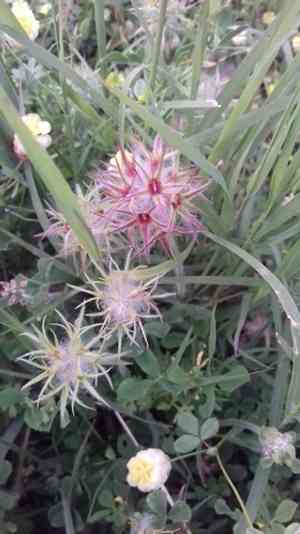
1
Star clover flourishes in direct sunlight yet can endure some shade.
2
Provide a minimum of 6 hours of daily direct sun exposure for best development.
3
Excessive sun exposure may lead to leaf scorching, appearing as burned or faded areas.
Grasping Star Clover's Light Requirements
Minimum Daily Illumination
For optimal growth, Star clover requires at least 6 hours of direct sunlight daily. This enables efficient photosynthesis, fostering robust development and vibrant blossoms. While it can endure slightly less light, under 4 hours may lead to stunted growth and fewer flowers.
Optimal Light Conditions
The most favorable conditions for Star clover involve full sun exposure for the majority of the day. Ideally, it should receive between 6 to 8 hours of direct sunlight daily. This amount of light helps the plant achieve its maximum potential in terms of size, leaf density, and flower production.
Light Variation and Adaptability
Star clover demonstrates good adaptability to varying light conditions, though it thrives in full sun. It can tolerate partial sun, especially in warmer climates where intense afternoon sun can be detrimental. In such instances, some afternoon shade can prevent leaf scorching and maintain plant vigor.
Effects of Excessive Sun on Star Clover
Signs of Overexposure
If Star clover receives too much sun, it will show signs of sun damage, including scorched or bleached leaves, a dry and brittle texture, and potential wilting despite adequate hydration. These indicators suggest the plant is struggling with excessive light exposure.
Preventative Measures
To prevent overexposure, ensure Star clover is situated in a location where it receives morning sunlight and afternoon shade. Consider using a shade cloth or planting taller companion plants to provide partial shade during the hottest parts of the day. Consistent watering and mulching can also help mitigate the effects of intense sunlight.
Treating Sunburned Foliage
If you observe sunburned leaves on your Star clover, remove the damaged portions to reduce further stress on the plant. Adjust its light exposure by providing more shade during peak sunlight hours and ensure the plant is well-hydrated. Over time, new healthy growth will replace the affected leaves.
Is Indirect Light Sufficient for Star Clover?
Defining Indirect Light
Indirect sunlight refers to light that is not direct but still bright enough for plants to photosynthesize. It occurs when sunlight filters through a leaf canopy, reflects off surfaces, or passes through a sheer curtain. This type of light is less intense than direct sunlight but can still be beneficial for many plants.
Advantages and Disadvantages
Indirect sunlight can be advantageous for Star clover in preventing overexposure, particularly in extremely hot climates. However, relying solely on indirect sunlight might not provide enough energy for the plant's optimal growth and flowering. Achieving a balance is crucial – perhaps positioning the plant where it gets direct morning sun and indirect afternoon light.
Indoor Cultivation Tips
When growing Star clover indoors, place it near a south-facing window to maximize light exposure. If natural light is insufficient, consider supplementing with grow lights to ensure the plant receives 6 to 8 hours of bright light daily. Rotate the plant regularly to ensure uniform light distribution.
Seasonal Changes and Star Clover's Light Needs
Spring and Summer Considerations
During spring and summer, when sunlight is more intense, it's important to monitor Star clover for any signs of sun damage. While these months offer ideal growth conditions, excessive heat can still be harmful. Ensuring morning sun and possibly afternoon shade can help balance the light requirements during these warmer periods.
Fall and Winter Adjustments
In fall and winter, the intensity and duration of sunlight diminish. During these seasons, ensure Star clover receives as much light as possible, moving it to the sunniest available spot. If indoors, place the plant close to a south-facing window to maximize light exposure, and consider cleaning windows to ensure no dust obstructs valuable sunlight.
Managing Light in Diverse Climates
Different climates significantly influence Star clover's light requirements. In cooler climates, full sun exposure throughout the day is beneficial. In hotter regions, providing partial shade during the peak afternoon hours can prevent leaf scorch. Always tailor light exposure based on your specific climate conditions to ensure the health and vitality of your plant.
Common Light Issues with Star Clover and Solutions
Identifying Light Deficiency Symptoms
When Star clover lacks adequate sunlight, it may exhibit symptoms such as elongated growth, sparse foliage, and reduced flowering. The plant might stretch towards light sources, indicating it's attempting to capture more sunlight.
Addressing Leggy Growth
Leggy growth can be corrected by gradually increasing light exposure. Prune back the elongated stems to encourage bushier growth and adjust the plant’s location to ensure it receives the required amount of direct sunlight daily.
Balancing Light Exposure for Optimal Growth
For optimal growth, balance is essential. Ensure Star clover receives at least 6 hours of direct sunlight but not so much that it risks sun damage. Monitor the plant regularly, and adjust its position based on seasonal changes and climate conditions. Regular trimming and providing balanced nutrients will also help maintain healthy growth.



