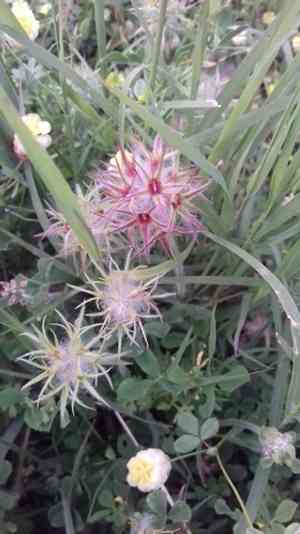
Star clover (Trifolium stellatum)
Also known as: Stellate clover
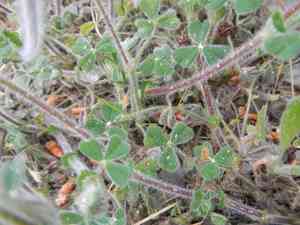
The star clover (Trifolium stellatum) is an annual plant that typically grows between 5 and 30 cm tall. It features either simple or branched stems, starting from the base. The leaves are trifoliate and arranged alternately on petioles that measure 2 to 8 cm in length. Each pod contains a single seed, enclosed within the calyx. The plant flowers from spring through early summer, usually from April to June.
In This Article
Attributes of Star clover
Lifespan
Annual
Plant Type
Herb
Plant Height
5 cm to 20 cm
Spread
N/A
Leaf Color
Green
Flower Size
1.5 cm to 2.5 cm
Flower Color
White Pink Green Purple Red
Images of Star clover
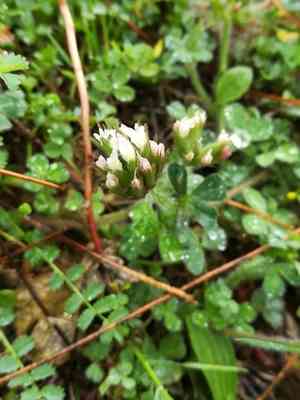
Quickly Identify Star clover
1
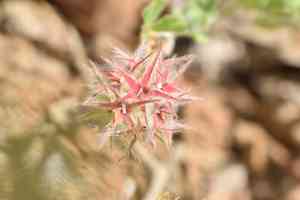
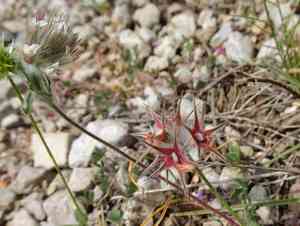
To identify Trifolium stellatum, look for its trifoliate leaf arrangement, small star-shaped flower heads, and the distinctive hairy calyx. It can often be found in grassy and sandy soils.
Scientific Classification of Star clover
Phylum
Vascular plants
Class
Dicotyledons
Order
Fabales
Family
Legume
Genus
Clovers
Species
Star clover
Planting and Growing of Star clover
Care Difficulty
Easy
Watering Schedule
Every 2 days
Sunlight Requirements
Full sun
Sunshine Duration
6-10 hours
Ideal Temperature
59-77℉
Soil Type
Potting Mix, Peat Mix
Soil pH
6.5-7.5
Fertilizer Type
Balanced
Pruning Season
Spring, Summer
Pruning Area
Branches, Leaves
Pruning Frequency
Once a year
Repotting Season
Spring
Pot Type
Terracotta, Plastic
 How to Water Star clover?
Trifolium stellatum prefers moderate watering, approximately 100 milliliters per session. Ensure the soil is consistently moist but not waterlogged. This plant thrives when the water penetrates deeply into the soil, allowing its roots to absorb moisture efficiently.
What are the symptoms of an underwatered Star clover?
›
What should I do if my Star clover is not getting enough water?
›
What are the symptoms of an overwatered Star clover?
›
How to save an overwatered Star clover?
›
 What Are the Sunlight Requirements for Star clover?
Trifolium stellatum should ideally receive full to partial sun, with 6 to 8 hours of light. This encourages optimal flowering and maintains overall plant health.
More About Sunlight Requirements Techniques→
What is the ideal light condition for Trifolium stellatum?
›
How to ensure Trifolium stellatum receives proper lighting?
›
What are the benefits of ideal lighting conditions?
›
 What Is the Ideal Temperature Range for Star clover?
The ideal temperature range for cultivating Trifolium stellatum is between 59°F and 77°F. Within this range, the plant can optimally photosynthesize, ensuring healthy growth and flowering. Maintaining these temperatures supports robust foliage and overall vitality.
 What Soil is Best for Star clover?
Trifolium stellatum thrives best in well-drained soil, which allows excess water to drain away, preventing root rot and ensuring that nutrients are efficiently accessed by the roots. This plant benefits from a nutrient-rich soil, providing essential macro and micronutrients needed for vital growth, improving both flowering and health. Soil that maintains moderate moisture ensures the plant does not dry out or become waterlogged, aiding in consistent growth and development.
 How to Fertilize Star clover?
For Trifolium stellatum, the recommended amount of fertilizer largely depends on its growth stage and environmental conditions. During the active growing season, apply a general balanced liquid fertilizer diluted to half the strength every two weeks to avoid over-fertilization. Ensure the soil is moist before application, as this helps prevent root burn and ensures better nutrient absorption.
 How to Prune Star clover?
To prune Trifolium stellatum, start by using clean, sharp scissors or pruning shears. Focus on cutting back about one-third of the plant’s overall growth, especially focusing on removing any dead or discolored foliage. This encourages fuller growth and prevents disease spread. Additionally, cutting back after flowering will promote a more compact shape and prevent the plant from self-sowing excessively. Regularly deadheading the spent flowers of Trifolium stellatum is crucial. Gently pinch or snip off the wilted flower heads just above the nearest set of healthy leaves. This will not only improve the plant's appearance but also redirect its energy towards new growth and potentially extend the flowering period.
More About Pruning Techniques→
 How to Propagate Star clover plant?
1
Choose healthy seeds from a reputable source to increase germination success. Look for seeds that are plump and free from any spots or damage. Store them in a cool, dry place before planting to maintain viability.
2
Opt for a well-draining potting mix to avoid water retention. A mixture of equal parts peat moss, sand, and perlite is recommended. This balance ensures the soil is light, airy, and retains the right amount of moisture for seed germination.
3
Sow the seeds evenly over the prepared soil surface, lightly pressing them into the soil without burying them too deep. Mist the surface using a spray bottle to keep it moist but not soggy. Cover with a plastic lid to maintain humidity.
 How to Repot Star clover plant?
1
Trifolium stellatum needs repotting when you notice root-bound symptoms such as roots creeping out of the drainage holes or stunted growth. Repotting is best done in spring to rejuvenate the plant as it begins its growth cycle.
2
Select a pot slightly larger than the current one, with good drainage. A pot made of breathable materials like clay or terracotta allows excess moisture to evaporate, preventing root rot and ensuring healthy growth.
3
Opt for a well-drained loamy mix to provide Trifolium stellatum with the right balance of moisture and aeration. This soil type retains necessary moisture but prevents waterlogging, supporting healthy root development.
Learn More About Star clover Diseases
Anthracnose
Bacterial Leaf Spot
Bacterial Wilt
Crown Gall
Cyst Nematode
Damping-off
Downy Mildew
Drought Stress
Fusarium Wilt
Gray Mold
Leaf Spot
Mosaic
Nutrient Deficiency
Nutrient Toxicity
Powdery Mildew
Root Rot
Root-knot Nematode
Rusts
Sooty Mold
Spider Mites
Temperature Stress
Thrips Damage
White Mold



