How Much Sunlight Do Giant spiderwort Need?
1
Giant spiderwort flourishes with moderate sunlight, getting around 3-6 hours each day.
2
Positioning your Giant spiderwort in a west or east-facing spot provides ideal light conditions.
3
Modify light exposure based on the season to avoid damage and scorching during peak summer.
The Importance of Sunlight for Giant Spiderwort
Photosynthesis and Development
Sunlight powers the vital process of photosynthesis in your Giant spiderwort. Through this, light energy transforms carbon dioxide and water into glucose, the plant's main energy source, and oxygen. Consistent sun exposure ensures the plant continuously produces the energy needed for healthy growth. Without enough light, the plant struggles, leading to weak stems and pale, underdeveloped leaves. Therefore, providing adequate light is crucial for its overall well-being.
Health and Bloom Production
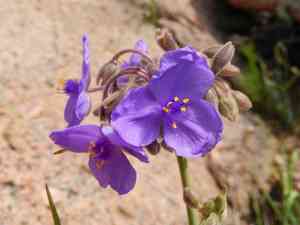
Beyond growth, sunlight is key to the overall health and flowering of your Giant spiderwort. Proper sun exposure stimulates chlorophyll production, which keeps the plant vibrant green and supports abundant blooms. Insufficient light can prevent the plant from producing its striking purple-blue flowers, a major attraction. Unhealthy plants often have fewer flowers and are more prone to diseases and pests. Understanding and managing sun exposure enhances both the visual appeal and the vitality and resilience of your Giant spiderwort.
Optimal Sunlight Conditions for Giant Spiderwort
Full Sun vs. Partial Shade
The Giant spiderwort prefers partial sunlight, ideally receiving 3-6 hours daily. While it can endure full sun, especially if gradually adapted, it generally thrives better in partial shade. This mimics its natural woodland habitat, where filtered sunlight penetrates the canopy. Too much direct sun can scorch leaves, while too little can cause leggy growth. A balanced approach, ensuring partial sun, will keep your Giant spiderwort flourishing.
Daily Light Requirements
For its daily light needs, aim for at least 3 hours and up to 6 hours of sunlight for your Giant spiderwort. Morning sun followed by afternoon shade is often ideal, providing sufficient light without the harsh intensity of peak afternoon hours. This balanced sun exposure helps the plant photosynthesize effectively and maintain its health and vigor.
How to Position Your Giant Spiderwort for Best Sunlight
Outdoor Placement
When planting Giant spiderwort outdoors, choose a spot that gets morning sun and is shaded during the hottest parts of the day to prevent scorching. Ideal locations include the east side, where it will receive gentle morning light, or an area with dappled sunlight throughout the day. Avoid fully shaded areas, as inadequate light can impede growth and flowering.
Indoor Placement
If growing Giant spiderwort indoors, place it near an east or west-facing window to ensure it gets the necessary sunlight. Regularly rotating the plant will promote even light distribution, preventing lopsided growth. If natural light is insufficient, supplementary grow lights can be used to meet its lighting requirements.
Signs Your Giant Spiderwort is Receiving Too Much or Too Little Sunlight
Symptoms of Sun Damage
A common indicator that your Giant spiderwort is getting too much sunlight includes leaves with brown, burnt patches, or an overall faded appearance. The foliage may feel limp or brittle. If these signs appear, consider moving the plant to a shadier spot and adjusting your watering schedule to aid its recovery.
Symptoms of Insufficient Light
Conversely, if your Giant spiderwort isn't getting enough light, it may become elongated, with stretched stems and sparse, pale leaves. A lack of blooms can also signal inadequate light. To fix this, gradually move the plant to a brighter location, aiming for the optimal 3-6 hours of light daily.
Seasonal Sunlight Considerations for Giant Spiderwort
Winter Adjustments
In winter, the sun's strength and daylight hours decrease, affecting the light your Giant spiderwort receives. To adapt, position the plant in the brightest indoor location possible, such as a south-facing window. You might also consider using artificial grow lights to supplement the reduced natural sunlight during the shorter winter days.
Managing Summer Light Intensity
During summer, the sun's intensity increases, which can potentially stress your Giant spiderwort. It's crucial to watch for signs of sunburn and provide shade during peak solar hours, using shade cloths or moving the plant to a shadier spot, to protect it. Maintaining adequate watering can also lessen the effects of strong summer sunlight.



