How to Prune Giant spiderwort?
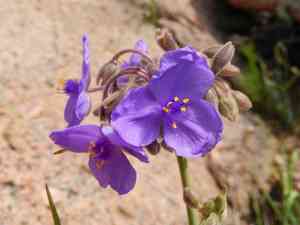
Giant spiderwort, a perennial with extended bloom periods, flourishes with infrequent trimming. Deadhead spent blossoms to encourage ongoing flowering, and throughout the year, remove any discolored or injured foliage to preserve its appearance and vigor. The most effective time for pruning is after the blooming cycle, which helps achieve a neat shape. Trimming aids giant spiderwort by inhibiting self-propagation and directing the plant's vitality toward robust development. Cultivators must make precise cuts to avert illness.
What Are the Benefits of Pruning Giant Spiderwort?
What Are the Benefits of Pruning Giant Spiderwort?
Trimming giant spiderwort promotes abundant flowering, maintains its desired shape, and ensures vigorous growth, which is crucial for its overall vitality and visual appeal.
What Is the Best Time for Pruning Giant Spiderwort?
What Is the Best Time for Pruning Giant Spiderwort?
Pruning giant spiderwort in late winter or early spring is advisable because the plant is still dormant or just beginning to emerge from dormancy. This timing minimizes stress and reduces the risk of disease transmission. It also allows for the removal of any winter frost damage before new growth begins. Furthermore, it prepares giant spiderwort for robust growth in the upcoming season by directing energy toward producing new shoots and flowers. Trimming during this period also helps maintain the plant's desired form and size, enhancing its overall health and look.
What Tools Do I Need to Prune Giant Spiderwort?
Bypass Pruners
Perfect for making clean, precise cuts on giant spiderwort's soft stems, bypass pruners operate like scissors, with one sharp blade passing by another. This tool minimizes plant tissue damage and is ideal for selectively removing spent flowers and trimming growth.
Gardening Gloves
Protective gardening gloves are essential to prevent skin irritation or minor cuts when handling giant spiderwort. This plant can grow quite large, and while not typically abrasive or thorny, gloves will ensure a safer pruning experience.
Long-Handled Loppers
Giant spiderwort can grow quite tall, and long-handled loppers offer extended reach for inaccessible stems, while also providing the leverage needed for thicker growth. Use this tool for cutting back dead or woody stems and managing the overall shape of giant spiderwort.
Pruning Saw
For mature giant spiderwort specimens with particularly thick stems that are too large for loppers, a pruning saw is the preferred tool. It allows for cutting through tough, fibrous stems with greater ease and precision.
How to Prune Giant Spiderwort
Disinfect tools
Before you begin, sanitize all pruning tools with isopropyl alcohol or a bleach solution to prevent the spread of diseases to giant spiderwort.
Dead material removal
Carefully remove dead branches and withered leaves from giant spiderwort by cutting them at their base where they meet healthy tissue, using sharp, clean pruning shears. Ensure clean cuts to promote better healing.
Diseased material removal
Trim away diseased branches and leaves from giant spiderwort, making cuts well into healthy tissue to ensure all infected parts are removed. Dispose of diseased material promptly and carefully to prevent contamination.
Wilted flower removal
Cut off faded flowers from giant spiderwort just above the next leaf node or side shoot to encourage new growth and blooms. This process is known as deadheading.
Cleanup
After pruning, clear away all fallen debris from around the base of giant spiderwort to reduce the risk of disease and pests. Sterilize the pruning tools again after use.
Common Pruning Mistakes with Giant Spiderwort
Over-pruning
Removing too much foliage at once can stress giant spiderwort, hindering its ability to photosynthesize and recover healthily.
Ignoring Dead or Diseased Stems
Failing to remove dead or diseased stems can lead to the spread of disease and negatively impact the overall health and appearance of giant spiderwort.
Pruning for Shape Alone
Focusing solely on the shape of giant spiderwort without considering the plant's natural growth pattern can result in unnatural growth and may reduce its flowering potential.
Dirty Tools
Using unsanitized pruning tools can introduce pathogens to the cuts on giant spiderwort, potentially causing infections and diseases.
Tearing Stems
Incorrect cutting technique, such as tearing stems instead of making clean cuts, can damage giant spiderwort's delicate stems and cause undue stress.
Common Pruning Tips for Giant Spiderwort
Selective Pruning
Thin out crowded areas by selectively pruning some stems to ground level. This approach improves air circulation and light penetration, promoting healthy growth.
Encourage Bushiness
Pinch or trim the tips of young shoots to encourage giant spiderwort to become fuller and bushier. This technique also helps stimulate more blooms.
Healthy Cuts
Make cuts just above node areas where leaf buds appear to encourage new growth. Ensuring cuts are clean and made at a 45-degree angle helps giant spiderwort heal better and prevents water accumulation.
Sterile Equipment
Always use sharp and sterile pruning tools to make precise cuts and prevent the spread of disease among giant spiderwort plants.
Post-Flowering Maintenance
After giant spiderwort has finished blooming, remove spent flowers to conserve the plant's energy, which can lead to a tidier appearance and potentially more blooms in the future.



