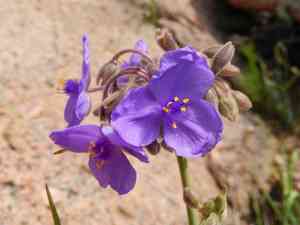
Giant spiderwort (Tradescantia gigantea)
Also known as: Giant Spiderwort, Giant Inch Plant
Consider planting Salvia nemorosa 'Caradonna' for a stunning addition to your garden. This plant features vibrant purple flowers and can reach heights of up to 3 feet. It's ideal for garden borders or making a bold statement in a pot, and it naturally attracts bees and butterflies, enhancing your garden's beauty and biodiversity.
In This Article
Attributes of Giant spiderwort
Lifespan
Perennial
Plant Type
Herb
Plant Height
61 cm to 91 cm
Spread
30 cm to 45 cm
Leaf Color
Green, Purple
Flower Size
2.5 cm to 5 cm
Flower Color
Purple Blue
Images of Giant spiderwort
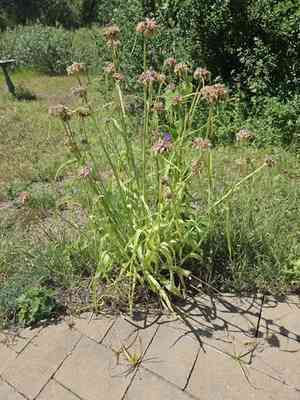
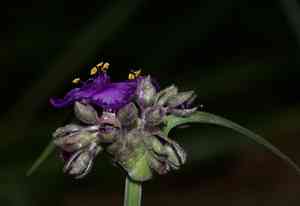
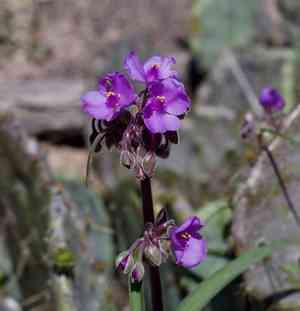
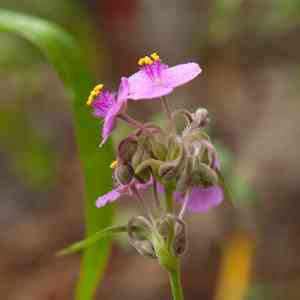
Quickly Identify Giant spiderwort
1
Tradescantia gigantea can be identified by its large, fleshy leaves that are often green or purple and its small, three-petaled flowers that can come in shades of pink, purple, or white. The plant has a sprawling growth habit and can often be found in shaded or semi-shaded areas.
Scientific Classification of Giant spiderwort
Phylum
Vascular plants
Class
Monocotyledons
Order
Commelinales
Family
Spiderwort
Genus
Spiderworts
Species
Giant spiderwort
Planting and Growing of Giant spiderwort
Care Difficulty
Easy
Watering Schedule
Every 6 days
Sunlight Requirements
Partial sun
Sunshine Duration
6-8 hours
Ideal Temperature
65-75℉
Soil Type
Potting Mix, Peat Mix
Soil pH
6-7.5
Fertilizer Type
Balanced
Pruning Season
Spring, Summer
Pruning Area
Branches, Leaves
Pruning Frequency
2 times a year
Repotting Season
Spring
Pot Type
Ceramic, Plastic
 How to Water Giant spiderwort?
Water Tradescantia gigantea with enough water to ensure the top layer of soil remains moist but not waterlogged. This typically means around 150 ml per watering session. The key is to maintain an even moisture level without over-saturation.
What are the symptoms of an underwatered Giant spiderwort?
›
What should I do if my Giant spiderwort is not getting enough water?
›
What are the symptoms of an overwatered Giant spiderwort?
›
How to save an overwatered Giant spiderwort?
›
 What Are the Sunlight Requirements for Giant spiderwort?
Tradescantia gigantea prefers partial sunlight conditions. This light arrangement leads to stronger growth, maintains leaf hues naturally, and prevents seasonal stress.
More About Sunlight Requirements Techniques→
What is the ideal lighting for Tradescantia gigantea?
›
How can you achieve ideal lighting conditions?
›
What are the benefits of ideal lighting?
›
 What Is the Ideal Temperature Range for Giant spiderwort?
The ideal temperature range for Tradescantia gigantea is between 65°F and 75°F. This range provides the necessary warmth without risking overheating, which is conducive to robust growth and vibrant foliage.
 What Soil is Best for Giant spiderwort?
Tradescantia gigantea thrives in well-draining soil that prevents waterlogging and root rot. This ensures healthy root development and reduces the risk of diseases. A soil rich in organic matter provides essential nutrients and promotes vigorous growth. It helps retain moisture while allowing excess water to drain away. Preferring a neutral to slightly alkaline pH range allows this plant to efficiently uptake nutrients, fostering lush foliage and vibrant blooms.
 How to Fertilize Giant spiderwort?
For Tradescantia gigantea, use a balanced liquid fertilizer every two weeks during the growing season. Dilute the liquid fertilizer to half of its recommended strength to avoid nutrient burn.
 How to Prune Giant spiderwort?
Start by inspecting the plant for any dead or damaged leaves, which should be removed first. Use a pair of sharp, sterilized scissors or pruners. Cut just above a node to encourage the plant to produce more vibrant growth. Trim long, wayward stems to maintain the desired shape of the plant. Regularly cleaning your tools and trimming wilting flowers can help keep the plant healthy. To promote fuller growth, pinch back the tips of young, healthy stems. This encourages the plant to branch out and develop a bushier appearance. Focus on the upper sections but pay attention to evenly distribute trimming across the plant to ensure balanced growth and a uniform shape.
More About Pruning Techniques→
 How to Propagate Giant spiderwort plant?
1
Choose healthy, non-flowering stems that are about 3-6 inches long. It's important to select stems that show vibrant color and resilience, free from any signs of disease or pests, as this will increase the chance of successful propagation.
2
Using sharp pruning shears, cut the selected stem just below a node. Remove the lower leaves to prevent them from rotting when submerged in soil or water, but make sure to keep some leaves at the top for photosynthesis during the rooting process.
3
Dip the cut end into rooting hormone, if available, and plant it into a pot filled with a moist, well-draining soil mix. Ensure that the soil remains evenly moist but not waterlogged as this encourages healthy root development.
 How to Repot Giant spiderwort plant?
1
Tradescantia gigantea should be repotted when you notice its roots starting to circle the inside of the pot, or if the growth seems to have slowed down despite adequate care. Another sign is if water is not being retained well in the current soil. Opting for spring or summer repotting allows the plant to recover faster due to increased light and warmth.
2
When selecting a new pot for your Tradescantia gigantea, ensure it is one size larger than the current one, with ample drainage holes. This minimizes waterlogging risks, allowing excess water to drain away, which prevents root rot and promotes healthy growth. A pot size incrementally larger prevents stress from too much space at once, which helps your plant's root system adjust comfortably.
3
Opt for a well-draining potting mix when repotting Tradescantia gigantea. A mix that retains enough moisture but also drains excess water quickly is ideal, ensuring the roots do not remain in soggy conditions. This type of soil provides greater oxygen flow to the roots, which is essential for robust growth and prevents root diseases associated with poor drainage.
Learn More About Giant spiderwort Diseases
Anthracnose
Bacterial Leaf Spot
Bacterial Soft Rot
Chemical Injury
Crown Gall
Damping-off
Downy Mildew
Drought Stress
Fusarium Wilt
Gray Mold
Leaf Curl
Leaf Spot
Mosaic
Nutrient Deficiency
Nutrient Toxicity
Powdery Mildew
Root Rot
Root-knot Nematode
Rusts
Sooty Mold
Spider Mites
Temperature Stress
Thrips Damage
White Mold



