How Much Sunlight Do Elmleaf Goldenrod Need?
1
Elmleaf Goldenrod flourishes optimally in direct sunlight but can endure some dappled light.
2
Strive for a minimum of 6 hours of unfiltered sun each day to ensure vigorous development.
3
Observe your plant for indications of excessive or insufficient light exposure to modify its position as needed.
Optimal Light Conditions for Elmleaf Goldenrod
Full Sun vs. Partial Shade
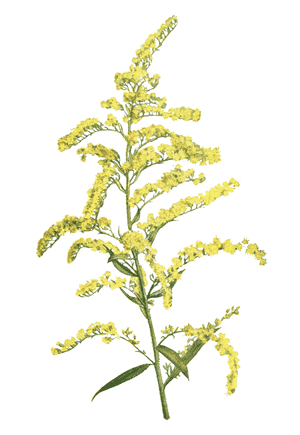
Regarding light, Elmleaf Goldenrod (a lovely plant known for its bright yellow flowers) thrives in a sunny setting to display its best hues. Ideally, this plant flourishes in full sun, meaning at least six hours of direct sunlight daily. However, Elmleaf Goldenrod can also endure partial shade. Partial shade implies the plant gets direct sun for part of the day, often filtered by trees or structures, but it might not grow as vigorously as in full sun. The key is balancing exposure for healthy blooms without burning the leaves.
Daily Sunlight Duration Required
To maximize the growth and blooming of your Elmleaf Goldenrod, ensure it receives a minimum of six hours of direct sunlight each day. This amount of light supports robust photosynthesis, providing the energy needed for abundant flower production. In regions with varying daylight throughout the year, consider specific seasonal shifts, as Elmleaf Goldenrod may need adjustments to maintain its ideal growth conditions.
How to Ensure Elmleaf Goldenrod Receives Adequate Sunlight?
Selecting the Appropriate Site
Choosing the correct spot in your garden for Elmleaf Goldenrod is essential. Look for areas in your yard that get ample direct sunlight for six or more hours daily. Optimal locations are often the south-facing sides of buildings or open spaces free from large trees or structures that might cast prolonged shadows. Securing the right spot can significantly impact achieving those stunning golden blooms.
Utilizing Supplementary Illumination
If your garden or outdoor area doesn't naturally provide enough sunlight, especially during colder months, consider employing supplemental lighting. Full-spectrum grow lights can imitate natural sunlight and deliver the necessary light intensity. Position the lights approximately 12-18 inches (30-45 centimeters) above the plant and operate them for about 12-14 hours daily to compensate for reduced natural light.
Adapting to Seasonal Variations
As seasons change, so do the intensity and duration of sunlight. During shorter winter days, it's crucial to ensure Elmleaf Goldenrod continues to receive sufficient light. This might involve moving the plant to sunnier spots, using supplemental lighting, or enhancing reflective surfaces around the plant to maximize available light. Monitoring how sunlight shifts with the season will help you make necessary adjustments.
Indicators Your Elmleaf Goldenrod Is Receiving Too Much or Too Little Sun
Symptoms of Excessive Exposure
Overexposure to sunlight can cause considerable stress to Elmleaf Goldenrod. Signs to look for include scorched or sunburnt leaves, appearing as browning or burned patches on the foliage. Excessive exposure may also lead to leaf curling and a general wilting appearance despite adequate watering. If you observe these symptoms, consider providing some temporary shade during peak sun intensity or relocating the Elmleaf Goldenrod to a spot offering partial shade.
Symptoms of Insufficient Exposure
Conversely, inadequate sunlight can impede the Elmleaf Goldenrod's growth and bloom production. Symptoms of underexposure include leggy growth, where the plant stretches towards light sources, pale or yellowing leaves, and fewer flowers. If your plant exhibits these signs, move it to a sunnier location or introduce supplemental lighting to improve its exposure.
Common Questions About Elmleaf Goldenrod and Sunlight
Can Elmleaf Goldenrod Be Grown Indoors?
While Elmleaf Goldenrod is primarily an outdoor plant, it can be cultivated indoors under the right conditions. Ensuring substantial bright light, ideally near south-facing windows, and supplementing with grow lights can help replicate its natural environment. Indoor cultivation demands more attention to light intensity and duration compared to outdoor growing.
What Are the Dangers of Improper Sunlight Exposure?
Incorrect sunlight exposure can lead to various risks for your Elmleaf Goldenrod. Overexposure could result in leaf scorch and increased water stress, while underexposure might stunt growth and reduce flower production. Both extremes can eventually weaken the plant, making it more vulnerable to diseases and pests. Monitoring and adjusting sunlight exposure is crucial to maintain a healthy and blooming Elmleaf Goldenrod.



