How to Prune Elmleaf Goldenrod?
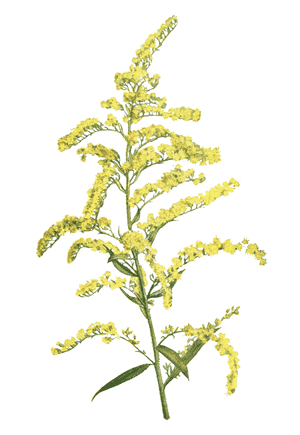
This enduring herbaceous species, recognized by its lofty, feathery yellow blossoms, flourishes with spring and summer trimming to foster denser development and inhibit self-propagation. For elmleaf Goldenrod, removing faded flowers improves the subsequent season's presentation. Cut back to soil level following blooming to sustain the plant's vitality. Trimming not only sculpts the plant but also fortifies its well-being by boosting air movement, discouraging infestations, and stimulating fresh, robust growth.
Advantages of Trimming Elmleaf Goldenrod
Advantages of Trimming Elmleaf Goldenrod
Trimming elmleaf Goldenrod promotes robust development and helps maintain its desired form. It ensures that energy is directed towards producing strong new stems and foliage.
Optimal Time for Pruning Elmleaf Goldenrod
Optimal Time for Pruning Elmleaf Goldenrod
Pruning elmleaf Goldenrod in late spring, once frost danger has passed, is ideal to prevent potential cold damage to new growth. Early summer pruning allows elmleaf Goldenrod to recover and produce strong growth before autumn. This timing aligns with elmleaf Goldenrod's growth cycle, which includes spring budding and summer flowering. Trimming at these times supports plant health by removing dead or damaged stems, improving air circulation, and shaping the plant for aesthetic purposes. It also encourages vigorous growth and prepares for the next flowering period without hindering the current year's bloom.
Necessary Tools for Pruning Elmleaf Goldenrod
Bypass Pruners
For precise cuts on elmleaf Goldenrod, bypass pruners are perfect. They deliver clean cuts without crushing stems, which is vital for maintaining plant health and promoting regrowth. The scissor-like action of the blades ensures cuts are made directly above leaf nodes or buds.
Garden Shears
Garden shears are excellent for shaping elmleaf Goldenrod and trimming back overgrown areas. Their longer blades make it easier to achieve straight and even cuts across larger sections of the plant.
Hand Gloves
While not a pruning tool itself, hand gloves offer protection against scratches and plant sap. Elmleaf Goldenrod may not be particularly harmful, but gloves still provide a better grip on tools and minimize the risk of hand fatigue or injury.
Pruning Saw
For elmleaf Goldenrod stems that are too thick for pruners or shears, a pruning saw is essential. Its serrated blade allows for cutting through woodier parts of the plant without causing damage to the surrounding stems.
How to Prune Elmleaf Goldenrod
Identify
Carefully examine elmleaf Goldenrod to locate diseased leaves, withered leaves, and diseased stems. Look for any discoloration, spots, or signs of decay that indicate poor health or disease infection in these parts of the plant.
Sterilize
Before making any cuts, sterilize your pruning shears or scissors with alcohol or a bleach solution to prevent the spread of disease to healthy parts of elmleaf Goldenrod.
Remove leaves
Gently trim off diseased and withered leaves from elmleaf Goldenrod, making cuts close to the stem. Avoid tearing or damaging the stem or adjacent healthy leaves while doing so.
Prune stems
Cut back any diseased stems on elmleaf Goldenrod to a point just above a healthy leaf or node. Make clean, angled cuts to facilitate water runoff and prevent disease and rot.
Cleanup
Dispose of diseased and withered plant material properly, away from elmleaf Goldenrod and other plants to minimize the risk of disease spread. Cleanup also includes raking debris from around the base of elmleaf Goldenrod to maintain a tidy growth area.
Common Pruning Errors with Elmleaf Goldenrod
Overpruning
Removing too much foliage which can stress elmleaf Goldenrod, leading to reduced vigor and fewer blooms.
Cutting healthy tissue
Indiscriminately cutting back healthy leaves and stems that are necessary for photosynthesis and overall health of elmleaf Goldenrod.
Ignoring dead or diseased material
Failing to remove dead, diseased, or damaged stems, which can hinder new growth and make elmleaf Goldenrod susceptible to pests and diseases.
Not sanitizing tools
Using dirty pruning tools that can introduce pathogens to the fresh cuts on elmleaf Goldenrod, risking infection and disease spread.
Pruning too low
Cutting stems too close to the ground can remove emerging buds and new shoots, limiting the plant's ability to flourish.
Uneven cuts
Making jagged or uneven cuts that heal poorly and can open elmleaf Goldenrod to infection and decay.
General Pruning Advice for Elmleaf Goldenrod
Sanitizing tools
Clean pruning shears with a disinfectant like rubbing alcohol before and after pruning elmleaf Goldenrod to prevent the spread of disease.
Selective pruning
Selectively prune only dead, diseased, or overcrowded stems to maintain shape and encourage airflow, which reduces the risk of disease.
Angled cuts
Make clean, angled cuts on stems to facilitate water runoff and promote quick healing.
Gradual thinning
Thin out old growth gradually over a few seasons rather than all at once to avoid shocking elmleaf Goldenrod.
Encouraging bushy growth
Pinch back the tips of young stems in early spring to encourage a bushier growth habit and more blooms on elmleaf Goldenrod.
Maintaining plant structure
Retain the natural shape of elmleaf Goldenrod while pruning. Overly sculpted shapes can lead to unnatural growth patterns and stress the plant.



