How Much Sunlight Do White blue-eyed grass Need?
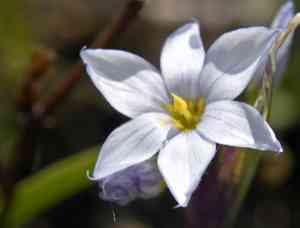
1
White blue-eyed grass flourishes optimally with a minimum of 6 hours of direct sun daily.
2
Although it favors full sun, White blue-eyed grass is able to endure some partial shade.
3
Periodically evaluating your garden's light exposure aids in perfecting the environment for your White blue-eyed grass.
Optimal Light Conditions for White blue-eyed grass
Full Sun Requirements
For robust growth, White blue-eyed grass needs full sun, meaning a minimum of 6 hours of direct sunlight daily. This light level ensures efficient photosynthesis, leading to healthier development and abundant blooms. A garden spot receiving afternoon sun is perfect for planting your White blue-eyed grass.
Partial Shade Adaptability
While White blue-eyed grass thrives in full sun, it can also tolerate partial shade, surviving with 3-6 hours of daily sunlight. However, under these conditions, the plant may not grow as vigorously and might produce fewer flowers compared to those in full sun.
Evaluating Garden Sunlight
Measuring Direct Sunlight Hours
To find the best location for your White blue-eyed grass, begin by assessing the direct sunlight your garden receives. Position sun-loving plants in the brightest spots. Simple tools like sunlight meters can assist, or you can manually observe a specific area throughout the day to total its direct sun exposure.
Identifying Shaded Zones
Pinpointing shaded areas in your garden is vital, especially if you plan to place White blue-eyed grass where full sun is limited. Periodically observe your garden to map out spots shadowed by structures, trees, or other vegetation. This knowledge helps in strategically planting your White blue-eyed grass for optimal health.
Maximizing Sunlight Exposure for White blue-eyed grass
Strategic Planting Locations
To optimize sunlight for your White blue-eyed grass, select the best planting site from the outset. Choose south-facing areas of your garden, which typically receive the most sun all day. If full sun spots are scarce, consider slightly elevating the plant to minimize shadow interference from smaller plants or garden features.
Utilizing Reflective Surfaces
To enhance available sunlight, particularly in partly shaded areas, incorporate reflective elements. Reflective garden decor, white-painted walls, or even small mirrors can direct extra sunlight onto your White blue-eyed grass. This boosts light availability, fostering better growth even in less-than-ideal conditions.
Common Sunlight Challenges and Solutions
Addressing Excessive Sunlight
Though White blue-eyed grass loves sun, intense light combined with insufficient water can cause wilting and scorching. If your plant shows stress from too much heat, consider using lightweight garden fabric for shade during the hottest parts of the day. Alternatively, ensure consistently moist soil to help the plant endure high sun exposure.
Managing Insufficient Sunlight
If your White blue-eyed grass isn't getting enough sunlight, it might grow slowly and produce fewer blooms. To remedy this, relocate the plant to a sunnier spot if feasible. Additionally, prune any overhanging branches or trim nearby plants that cast shadows. This will increase the amount of sunlight reaching your White blue-eyed grass.



