How to Prune White blue-eyed grass?
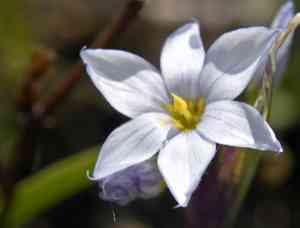
For white blue-eyed grass, a hardy perennial featuring grass-like leaves and star-shaped white blossoms, trimming can occur throughout the year. Snip off faded flower stems to preserve a tidy look and stimulate fresh flowering. Eliminate deceased or yellowed foliage at the plant's base to foster robust development and air circulation. Reducing the plant's size in late winter can revitalize its structure and strength for the approaching period. Consistent, gentle trimming improves its dense form and deters self-seeding if preferred.
What Are the Benefits of Pruning White Blue-eyed Grass?
What Are the Benefits of Pruning White Blue-eyed Grass?
Trimming white blue-eyed grass promotes abundant flowering, stimulates robust development, and maintains its compact shape, ensuring a tidy garden look and a healthier plant structure.
What Is the Best Time for Pruning White Blue-eyed Grass?
What Is the Best Time for Pruning White Blue-eyed Grass?
The optimal time to prune white blue-eyed grass is from late winter to early spring, just before new growth begins. This timing allows for rapid recovery and directs energy towards new shoots. Pruning prior to the flowering season ensures the plant's health and vitality, fostering a strong bloom cycle. Additionally, any dead or damaged foliage from winter can be removed, preventing diseases or pests. Avoiding pruning in late fall lets white blue-eyed grass enter dormancy naturally, preventing new growth susceptible to early frost.
What Tools Do I Need to Prune White Blue-eyed Grass?
Bypass Pruners
For clean, precise cuts on white blue-eyed grass, bypass pruners are ideal, easily snipping stems without unnecessary damage to the plant's structure.
Micro-Tip Snips
White blue-eyed grass may need thinning to improve air circulation and prevent overcrowding. Micro-tip snips are perfect for cutting small, delicate stems and can assist in deadheading or thinning without disturbing surrounding foliage.
Pruning Shears
Given the grass-like nature of white blue-eyed grass, sharp pruning shears are useful for trimming clumps and shaping the plant, especially for tougher or thicker stems.
How to Prune White Blue-eyed Grass
Preparation
Gather sharp, sanitized pruning shears. Wear gloves to protect your hands and ensure personal safety while handling white blue-eyed grass.
Diseased material removal
Inspect white blue-eyed grass and remove any diseased leaves and branches by cutting them back to the base or to the nearest healthy tissue. This helps prevent the spread of disease within white blue-eyed grass.
Dead material removal
Trim off all withered and dead leaves, as well as any dead branches on white blue-eyed grass, cutting back to the point of origin or to live growth to promote healthy development and air circulation.
Withered flower removal
Snip off withered flowers from white blue-eyed grass close to the base of the flower stem to encourage further blooming and maintain a tidy appearance.
Cleanup
Dispose of all removed material away from white blue-eyed grass to prevent any potential spread of disease or pests. Clean your tools after finishing to keep them in good condition for future use.
Common Pruning Mistakes with White Blue-eyed Grass
Overpruning
Cutting back white blue-eyed grass too severely can damage the plant's natural growth pattern and reduce its ability to flower. Avoid removing more than one-third of the plant's foliage during a single pruning session.
Improper cut location
Making cuts either too close or too far from the branching points or base can hinder white blue-eyed grass's recovery and growth. It's essential to make cuts at a healthy node or just above the plant base to encourage proper regeneration.
Using dull tools
Utilizing dull or dirty pruning tools can cause jagged cuts and increase the risk of disease. Always use sharp, clean tools to make clean cuts that heal quickly.
Neglecting dead material
Failing to remove dead or diseased foliage can lead to further decay and inhibit white blue-eyed grass's vigour. Regularly check for and prune out any unhealthy material.
Shaping incorrectly
Attempting to shape white blue-eyed grass into unnatural forms can stress the plant and detract from its natural beauty. White blue-eyed grass has a grasslike clumping growth habit that is best left in its natural state.
Common Pruning Tips for White Blue-eyed Grass
Correct timing
While the best season is not to be specified, ensure to prune at times that correlate with white blue-eyed grass's growth cycles for optimal health and blooming.
Selective pruning
Prune selectively by removing only the spent flower stalks and deteriorating leaves. This helps to divert energy to new growth and maintains the plant's attractive appearance.
Clump division
Rejuvenate white blue-eyed grass by dividing the clumps every few years. This allows for better air circulation and encourages more vigorous growth and flowering.
Encourage bushiness
Pinching back the tips of white blue-eyed grass during the early growing season can encourage a bushier form and more blooms.
Post blooming care
After white blue-eyed grass has flowered, prune the flower stalks back to the ground to keep the plant tidy and may stimulate a second flush of blooms.



