How Much Sunlight Do Weed silene Need?
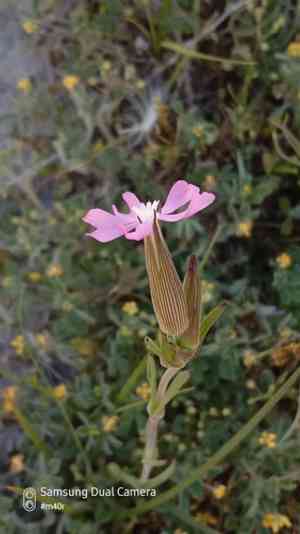
1
Silene weeds flourish optimally with over 6 hours of direct sunlight each day.
2
When cultivated indoors, positioning the plant by south-facing windows is perfect.
3
During colder months, enhance natural light with artificial grow lights for peak development.
Optimal Light Conditions for Weed silene
Full Sun vs. Partial Shade
Weed silene thrives in full sun to partial shade. This implies the plant should ideally receive over 6 hours of direct sunlight daily. Full sun provides the necessary energy for strong growth and vibrant flowers. However, in very hot climates, some afternoon shade may prevent leaf burn.
Morning Sun vs. Afternoon Sun
Morning sunlight is typically milder and less intense than afternoon sun, which can be quite harsh, especially in warmer regions. Positioning your Weed silene to receive morning sun can help it avoid the day's most intense light. If only partial shade is possible, prioritize full exposure during the cooler morning hours.
Adjusting Indoor Sunlight for Weed silene
Utilizing Grow Lights
For indoor Weed silene cultivation, grow lights are an invaluable tool to ensure adequate illumination. Select full-spectrum LED grow lights, which emulate natural sunlight and offer the most balanced light spectrum for development. Position the grow light approximately 15-30 cm (6-12 inches) above the plant, and keep it on for about 12-14 hours daily to mimic a full day of sunlight.
Window Placement
Strategic placement of your Weed silene near windows can significantly impact its well-being. South-facing windows generally provide the most consistent light throughout the day. If a south-facing window is unavailable, east-facing windows are the next best choice, offering gentle morning sun. Remember to periodically rotate the plant to ensure uniform growth on all sides.
Seasonal Light Requirements for Weed silene
Spring and Summer Light
During the active growth seasons of spring and summer, Weed silene will flourish with ample sunlight. Ensure it receives at least 6 hours of full sun daily, which supports vigorous growth and bright, healthy blooms. If outdoor temperatures become excessively high, providing some afternoon shade can protect the plant from undue stress.
Fall and Winter Light
In the autumn and winter months, natural sunlight availability diminishes. For outdoor plants, consider moving them to the sunniest available spot. Indoors, this might be an ideal time to use supplementary lighting. Shorter daylight hours and reduced light intensity mean grow lights can help bridge the gap, ensuring your Weed silene continues to receive its necessary light.
Common Light Issues and Solutions
Signs of Excessive Sun
Too much sunlight exposure can lead to several problems for Weed silene, such as leaf scorching, wilting, or faded coloration. If you observe brown or crispy edges on the leaves, your plant is likely getting too much sun. Consider moving it to a location with partial shade or providing some afternoon protection, like a shade cloth.
Signs of Insufficient Sun
When Weed silene does not receive enough sunlight, it can display symptoms like leggy growth, smaller flowers, or dull-colored foliage. If you notice such indicators, try relocating the plant to a brighter spot, such as near a south-facing window or under a grow light.
Correcting Light Problems
To resolve issues of too much or too little sunlight, begin by assessing your plant's current location and light exposure. For excessive sunlight, consider moving your Weed silene to a spot with some afternoon shade. If insufficient sunlight is the problem, reposition it to a sunnier area or use grow lights to supplement natural light. Regular monitoring and adjustments based on the plant's response will help maintain its health and vitality.



