How to Prune Weed silene?
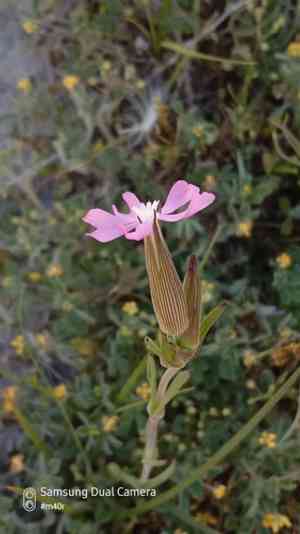
Known for its capacity to flourish in disrupted ground, weed silene benefits from judicious trimming to foster robust development. Efficient pruning entails removing faded blossoms and shortening excessively long stalks, preferably in spring, once the danger of frost has subsided, to stimulate fresh shoots and enhance airflow. For weed silene, summer trimming preserves its form and manages its expansion, while autumn tidying prevents unwanted propagation and discourages unwanted organisms. Consistent pruning boosts the plant's vitality and visual attractiveness, guaranteeing weed silene remains a valuable addition instead of a problem in the landscape.
What Are the Benefits of Pruning Weed Silene?
What Are the Benefits of Pruning Weed Silene?
Trimming weed silene encourages robust development and maintains its form by stimulating new growth from the base, leading to a more compact and visually appealing structure.
What Is the Best Time for Pruning Weed Silene?
What Is the Best Time for Pruning Weed Silene?
Pruning in Spring enables weed silene to channel energy into new growth following dormant winter months. Early Summer trimming is advantageous for shaping the plant and managing or enhancing its growth before it enters the slower growth phase of summer's heat. Late Fall pruning, after flowering and seed dispersal, can help eliminate dead or spent growth and prepare weed silene for the subsequent growing season, decreasing the likelihood of disease and pests overwintering in the foliage. These periods ensure the health and vitality of weed silene, typically avoiding the stress of extreme weather conditions, and allowing ample time for recovery before winter frosts.
What Tools Do I Need to Prune Weed Silene?
Hand Pruners
Perfect for cutting the slender stems of weed silene, as they permit accurate snips without harming nearby foliage.
Gardening Scissors
These are suitable for trimming delicate or softer parts of weed silene and are useful for finer, more intricate tasks.
Gloves
Not a cutting tool, but crucial for safeguarding the gardener's hands from weed silene's potentially rough or sticky stems during trimming.
Garden Shears
Helpful for shaping weed silene or for quickly cutting back large areas with denser growth.
How to Prune Weed Silene
Clean tools
Before beginning, ensure pruning tools are clean and sharp to prevent disease transmission and make precise cuts on weed silene.
Inspect
Examine weed silene thoroughly to identify all the withered leaves that need removal.
Cut withered leaves
Using hand pruners, snip off withered leaves at their base where they connect to the stem or main branch, avoiding damage to living tissues.
Dispose
Gather all removed withered leaves and discard them away from weed silene to prevent any disease spread.
Monitor
After pruning, observe weed silene for signs of new growth or any further wilting, which may indicate the need for additional care or intervention.
Common Pruning Mistakes with Weed Silene
Overpruning
Removing too much foliage from weed silene can weaken the plant and reduce its ability to photosynthesize, leading to stress and poor health.
Improper cut location
Cutting weed silene either too close or too far from the nodes can result in improper healing and increase the risk of disease.
Pruning during active flowering
Trimming weed silene when it is actively blooming can diminish flower production and overall vigor of the plant.
Using dull tools
Blunt pruning tools can cause jagged cuts, making weed silene more vulnerable to pests and diseases.
Ignoring plant shape
Not considering the natural form of weed silene can result in an unnatural appearance and potentially harm the plant's growth pattern.
Common Pruning Tips for Weed Silene
Clean tools
Always use clean, sharp tools to make precise cuts on weed silene that heal quickly and minimize the chance of transmitting diseases.
Cut angle
Make cuts at a 45-degree angle just above a node or bud to encourage weed silene to grow in the desired direction and ensure proper healing.
Selective pruning
Thin out crowded areas by selectively removing some stems of weed silene to improve air circulation and light penetration, promoting a healthier plant.
Deadheading
Regularly remove spent blooms of weed silene by deadheading to encourage further flowering and prevent energy being diverted into seed production.
Maintenance pruning
Perform regular maintenance pruning on weed silene to remove dead or damaged stems and leaves, which helps to maintain its size and keeps the plant looking tidy.



