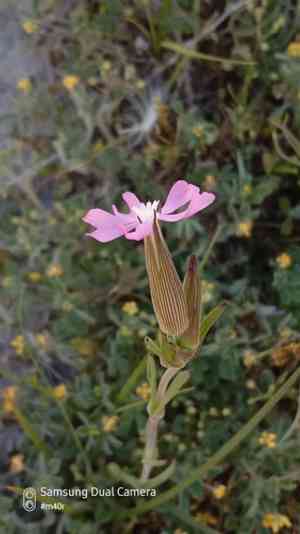
Weed silene (Silene conoidea)
Also known as: Cone catchfly
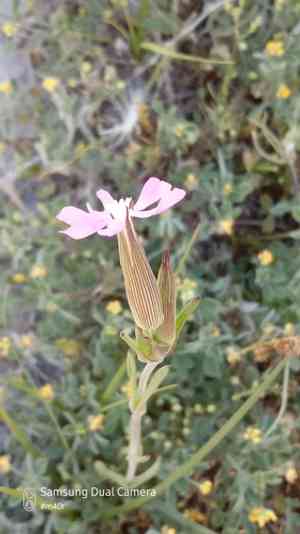
Weed silene (Silene conoidea) stands out in early summer due to its vibrant pink, star-shaped flowers and tall, branching stems, which can grow up to 1 meter high. Commonly found in fields and along roadsides, its striking appearance makes it easy to identify. Though attractive, it is considered a weed in parts of western North America. Unlike its relative Silene conica, Weed silene is notably larger.
In This Article
Attributes of Weed silene
Lifespan
Annual
Plant Type
Herb
Plant Height
30-60 cm (12-24 inches)
Spread
N/A
Leaf Color
Green
Flower Size
2-3 cm (0.8-1.2 inches)
Flower Color
Pink Purple
Images of Weed silene
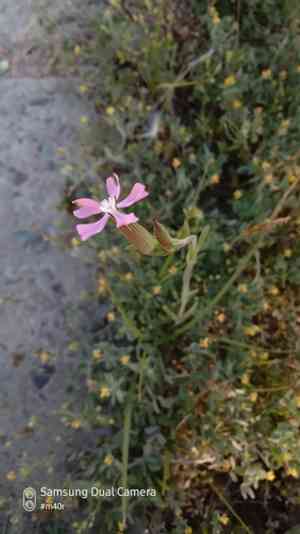
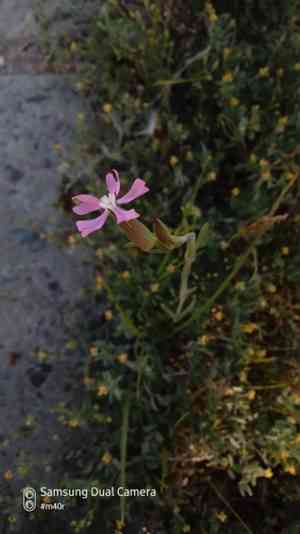
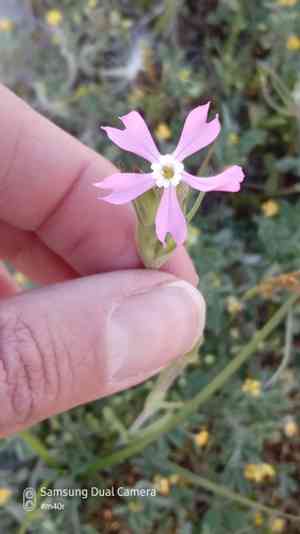
Quickly Identify Weed silene
1
Silene conoidea can be identified by its star-shaped, white to pink flowers, its slender, branched stems, and its narrow, lanceolate leaves. The seed capsules are cone-shaped, a distinguishing feature of this species.
Scientific Classification of Weed silene
Phylum
Vascular plants
Class
Dicotyledons
Order
Caryophyllales
Family
Pink
Genus
Campions
Species
Weed silene
Planting and Growing of Weed silene
Care Difficulty
Easy
Watering Schedule
Every 4 days
Sunlight Requirements
Full sun
Sunshine Duration
4-8 hours
Ideal Temperature
65-75℉
Soil Type
Potting Mix, Peat Mix
Soil pH
6.5-7.5
Fertilizer Type
Balanced
Pruning Season
Spring, Summer
Pruning Area
Branches, Leaves
Pruning Frequency
2 times a year
Repotting Season
Spring
Pot Type
Plastic, Ceramic
 How to Water Weed silene?
When watering Silene conoidea, it's important to ensure that the water penetrates deeply into the soil, reaching the root zone without flooding it. The goal is to moisten the soil adequately but avoid leaving the roots of this plant sitting in water.
What are the symptoms of an underwatered Weed silene?
›
What should I do if my Weed silene is not getting enough water?
›
What are the symptoms of an overwatered Weed silene?
›
How to save an overwatered Weed silene?
›
 What Are the Sunlight Requirements for Weed silene?
Partial to full sun is ideal for Silene conoidea, providing robust growth and enhancing its aesthetic. Adequate light fosters strong flowering and overall plant vigor.
More About Sunlight Requirements Techniques→
What is the best lighting condition for Silene conoidea?
›
How can I achieve ideal lighting for Silene conoidea?
›
What happens if ideal lighting conditions are maintained?
›
 What Is the Ideal Temperature Range for Weed silene?
Silene conoidea thrives best in a controlled environment where the temperature ranges between 65°F and 75°F. This range provides optimal conditions for growth and flowering, enabling the plant to efficiently perform photosynthesis and metabolize nutrients. Maintaining this temperature range consistently will help ensure robust plant health.
 What Soil is Best for Weed silene?
Silene conoidea thrives in well-drained soil because it prevents waterlogging, which can cause root rot. Well-drained conditions allow the roots to breathe and access necessary nutrients, promoting healthier growth and vibrant blooms. A soil that is rich in nutrients aids in the robust growth of Silene conoidea. Organic matter, such as compost, enhances soil fertility and provides a steady supply of essential nutrients, leading to healthier foliage and more abundant flowering. Soil that strikes a balance between moisture retention and drainage supports Silene conoidea's health. This ensures that the plant has consistent access to water without becoming overly saturated, which is critical for sustaining its growth and flowering cycles.
 How to Fertilize Weed silene?
Silene conoidea needs a balanced approach to fertilization. Use liquid fertilizer which should be diluted to half its strength to avoid nutrient burn. Apply approximately 100 ml of diluted fertilizer around the base of each plant to ensure even nutrient distribution.
 How to Prune Weed silene?
Always choose the right tool for the job, such as pruning shears for thicker stems and scissors for delicate tips. Keep your tools sharp and clean to ensure clean cuts, which heal faster and reduce the risk of disease. Wear gloves to protect your hands from sharp stems and ensure you don't harm the plant unintentionally. Avoid pruning during very wet or frost-prone days to minimize infection risk through open cuts. Additionally, be cautious of removing too much foliage at once, as this can stress the plant.
More About Pruning Techniques→
 How to Propagate Weed silene plant?
1
Fill the seed tray with the potting mix, ensuring it is evenly spread and not too compact. Once filled, lightly water the mix to create a suitable environment for seed germination. Ensure the tray has good drainage to avoid waterlogging, which can inhibit growth.
2
Evenly distribute the Silene conoidea seeds on top of the prepared potting mix. Cover them lightly with a thin layer of soil or fine vermiculite. Make sure not to bury the seeds too deep, as this may hinder their ability to break through the soil surface.
3
Place the seed tray in a warm, bright location, but out of direct sunlight to prevent overheating. Maintain consistent moisture by misting the surface regularly, keeping the soil damp but not soaked. Monitor the temperature to stay within the optimal range for germination.
 How to Repot Weed silene plant?
1
Repot Silene conoidea when roots outgrow their current container or soil becomes compacted. Signs like slow growth or water pooling indicate it’s time for a change. New soil provides nutrients essential for healthy development.
2
Select a pot slightly larger than the current one, with good drainage holes to prevent waterlogging. Using a slightly larger pot supports growth without overwhelming the plant, promoting healthy root expansion.
3
Opt for a well-draining sandy soil mix. This soil type reduces the risk of root rot by ensuring excess water drains away quickly, while maintaining enough moisture for the plant’s needs.



