How Much Sunlight Do Valamuerto Need?
1
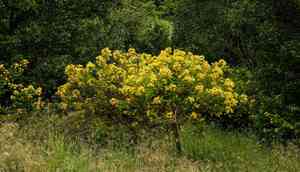
Valamuerto flourishes optimally with more than 6 hours of direct sun each day.
2
Periodically check the solar exposure in your outdoor space using a light meter to confirm your Valamuerto receives adequate light.
3
Signs such as burned leaves may suggest your Valamuerto is receiving excessive sunlight.
Optimal Sunlight Conditions for Valamuerto
Direct Sun vs. Partial Shade
The Valamuerto plant flourishes best in full sun, meaning it requires over 6 hours of direct sunlight daily. While it can endure partial shade, its growth won't be as vigorous as in full sun. Expect slower development and fewer blooms if grown in shaded areas.
Importance of Light Intensity
Light intensity is crucial for plant development. For Valamuerto, strong light is essential. Higher intensity sunlight enables more efficient photosynthesis, leading to robust growth. In regions with naturally high sunlight, monitor for signs of overexposure.
Seasonal Light Fluctuations
Be aware that light strength and duration change with the seasons. Longer, more intense summer days benefit Valamuerto. Conversely, winter brings weaker light and shorter days. During these months, consider moving your Valamuerto to a location that maximizes its sun exposure.
Ensuring Adequate Sun for Valamuerto
Selecting the Best Planting Site
Choose a garden spot that receives full sun for most of the day. South-facing areas, free from obstructions like trees or buildings, are ideal. This guarantees your Valamuerto gets the consistent sunlight it needs.
Utilizing Light Measurement Tools
Sunlight meters can be very useful for identifying the optimal location for your Valamuerto. These devices measure the daily light exposure of a spot, aiding in an informed planting decision.
Adapting for Indoor Cultivation
Growing Valamuerto indoors can be challenging as indoor light is typically less intense. If grown inside, place it near a south-facing window for maximum light. Alternatively, supplemental lighting, such as grow lights, can mimic natural sunlight and support healthy growth.
Identifying Signs of Light Imbalance
Symptoms of Excessive Exposure
Signs of too much sunlight include leaf scorch, where leaves become brown and brittle, or sunburn, appearing as bleached spots. If these symptoms occur, consider providing some shade during peak sun hours.
Indicators of Insufficient Light
If Valamuerto lacks adequate light, it may show leggy growthâlong, weak stems with sparse leaves. Additionally, the plant might produce fewer flowers and exhibit overall slower development.
Resolving Light-Related Issues
To correct overexposure, offer temporary shade with shade cloths or move the plant to a slightly less sunny spot. For insufficient light, relocate your plant to a brighter area or use grow lights to supplement natural light. Monitor the plant regularly to ensure it adapts well.



