How to Prune Valamuerto?
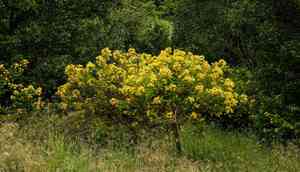
Valamuerto, a tropical evergreen bush recognized for its flowing yellow blossoms, thrives with consistent trimming to preserve its form and stimulate flowering. The most suitable period for pruning is typically in winter, following its bloom period, to foster fresh development in the spring. Essential methods involve reducing dense branches and shortening elongated stalks to a robust bud. This trimming approach not only encourages strong growth and abundant blooms but also aids in managing its expansion, as valamuerto has the potential to become aggressive under suitable circumstances.
Advantages of Trimming Valamuerto
Advantages of Trimming Valamuerto
Trimming valamuerto promotes robust development and helps maintain its desired form. Strategic removal of older branches stimulates new, strong shoots and enhances the plant's structure.
Optimal Time for Pruning Valamuerto
Optimal Time for Pruning Valamuerto
Pruning valamuerto in late winter, just before spring growth begins, leverages the plant's dormant state. This timing minimizes stress and allows for strong recovery as temperatures rise and daylight increases. Removing excess or dead growth at this stage prepares valamuerto for vigorous spring development, ensures optimal health, and avoids disrupting the typical early to mid-spring blooming cycle. Pruning outside this period, especially during active growth or flowering, could impede bloom production or divert energy from fruit development. The dormant phase aids in wound healing without exposing the plant to excessive sap loss or pest infestation, which are more common during warmer, active growth periods.
Tools Required for Pruning Valamuerto
By-pass Hand Pruners
Perfect for cutting thinner stems and branches of valamuerto, ensuring clean cuts that heal well without harming the plant.
Lopping Shears
Effective for cutting through thicker branches that hand pruners cannot handle, providing the necessary leverage for valamuerto's denser growth.
Pruning Saw
Useful for removing larger limbs over 1.5 inches in diameter, suitable for mature valamuerto specimens needing more significant structural trimming.
Hedge Shears
Appropriate for shaping and trimming valamuerto's foliage, helping maintain dense, bushy growth with a uniform appearance when needed.
How to Prune Valamuerto
Sanitize Tools
Before pruning valamuerto, sanitize your pruning tools with a solution of 1 part bleach to 9 parts water to prevent disease spread.
Remove Dead Branches
Identify and remove any dead branches from valamuerto by cutting them back to their origin point or to a healthy lateral branch facing the desired growth direction.
Cut Diseased Branches
Inspect valamuerto for any diseased branches, indicated by unusual coloring or growth, and cut them back to healthy tissue, ensuring tools are disinfected after each cut to prevent contaminating healthy parts.
Clean Cuts
Make precise cuts on valamuerto using sharp pruning shears or a saw, depending on branch size, to promote good wound closure and minimize plant stress.
Dispose Trimmed Materials
Properly dispose of all removed material from valamuerto by burning or binning to prevent the potential spread or harboring of pests or diseases.
Common Pruning Errors with Valamuerto
Excessive Pruning
Cutting back too much of valamuerto at once can stress the plant, leading to stunted growth or a weakened structure. It is crucial to avoid removing more than one-third of the foliage in a single pruning session.
Incorrect Cut Placements
Making cuts too far from a bud or node, or too close to the main stem can hinder proper healing and growth. It is important to cut just above outward-facing buds or nodes to encourage desired growth direction.
Tearing Bark
Improper use of pruning tools can result in tears that damage valamuerto's bark and branches. Clean, sharp cuts are necessary to prevent damage and promote quick healing.
Neglecting Tool Hygiene
Not sterilizing pruning tools before use can introduce pathogens to valamuerto, leading to disease. Regularly clean tools to maintain plant health.
Ignoring Dead Or Diseased Limbs
Failing to remove dead, diseased, or damaged limbs can harm the overall health of valamuerto. Such limbs should be pruned promptly to prevent disease spread and improve plant appearance.
General Pruning Advice for Valamuerto
Tool Selection
Using the correct pruning tools, such as bypass pruners or secateurs, will ensure clean cuts that heal quickly. Ensure tools are sharp to make precise cuts.
Selective Pruning
Target specific areas for thinning to improve air circulation and light penetration, which are essential for valamuerto's health and flowering. Remove only necessary branches without over-pruning.
Cut Angles
Make cuts at a 45-degree angle away from the bud to prevent water retention on the cut surface, which can lead to rot or disease in valamuerto.
Branch Collar Preservation
When removing larger branches, it is important to cut above the branch collarâthe swollen area where the branch joins the trunk or another branchâwithout damaging it, as this promotes proper healing.
Regular Maintenance
Establish a consistent pruning schedule for valamuerto to remove dead or weak growth, which helps maintain plant structure, vigor, and appearance without the need for extensive pruning sessions.



