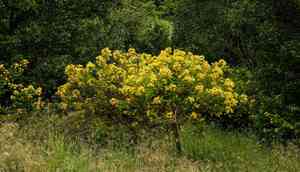
Valamuerto (Senna pendula)
Also known as: Climbing cassia, Golden shower, Christmas senna
*Senna pendula*, commonly known as Easter cassia and climbing cassia, is a plant species originally from South America. In Australia, it has become an environmental weed. The name *Senna pendula* translates to "hanging" or "drooping." This species thrives in various environments including gardens, wastelands, roadsides, and forests.
In This Article
Attributes of Valamuerto
Lifespan
Perennial
Plant Type
Tree, Vine, Shrub
Plant Height
1 m to 4 m
Spread
4 m
Leaf Color
Green Blue
Flower Size
3 cm to 4 cm
Flower Color
Yellow
Images of Valamuerto
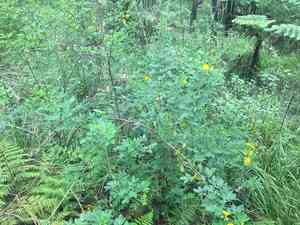
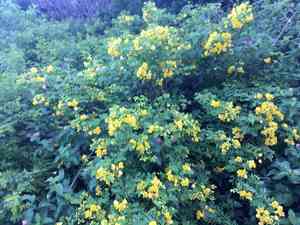
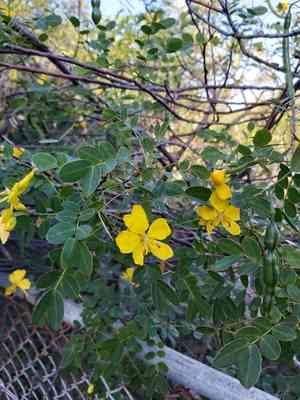
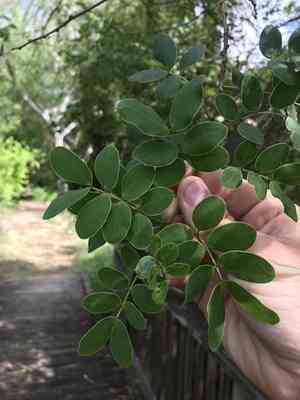
Quickly Identify Valamuerto
1
Look for compound pinnate leaves with several pairs of leaflets, bright yellow blooms in clusters, and a woody or semi-woody scrambling growth habit. Seed pods are elongated and cylindrical.
Scientific Classification of Valamuerto
Phylum
Vascular plants
Class
Dicotyledons
Order
Fabales
Family
Legume
Genus
Sennas
Species
Valamuerto
Planting and Growing of Valamuerto
Care Difficulty
Easy
Watering Schedule
Every 3 days
Sunlight Requirements
Full sun
Sunshine Duration
4-12 hours
Ideal Temperature
65-85℉
Soil Type
Potting Mix, Peat Mix
Soil pH
6.5-7.5
Fertilizer Type
Balanced
Pruning Season
Spring, Summer
Pruning Area
Branches, Leaves
Pruning Frequency
2 times a year
Repotting Season
Spring
Pot Type
Plastic, Ceramic
 How to Water Valamuerto?
Senna pendula is a plant that prefers its soil to be consistently moist but never soggy. When watering, pour approximately 500 milliliters of water, ensuring the soil is evenly soaked but not waterlogged. The water should reach all parts of the root system, but the soil surface should not appear overly saturated.
What are the symptoms of an underwatered Valamuerto?
›
What should I do if my Valamuerto is not getting enough water?
›
What are the symptoms of an overwatered Valamuerto?
›
How to save an overwatered Valamuerto?
›
 What Are the Sunlight Requirements for Valamuerto?
Senna pendula thrives best in full sun to partial sun conditions. Ideal lighting fosters vibrant growth, promotes frequent blooming, and ensures a sturdy, healthy structure to thrive in various garden settings.
More About Sunlight Requirements Techniques→
How much sunlight does Senna pendula need daily?
›
What are the best locations for providing optimal sunlight?
›
How can insufficient sunlight affect the plant?
›
 What Is the Ideal Temperature Range for Valamuerto?
Senna pendula thrives best in temperatures ranging from 65-85°F. This temperature band ensures optimal growth by promoting active photosynthesis and proper nutrient uptake. Ensuring that the environment maintains this temperature range helps the plant to produce healthy foliage and flowers.
 What Soil is Best for Valamuerto?
Senna pendula thrives in well-drained soil, which prevents waterlogging and root rot, ensuring healthy plant growth. This requirement helps provide adequate oxygen to the roots, promoting robust development. This plant prefers soil enriched with organic matter. Organic matter boosts soil fertility and retains moisture, essential for the plant's nutrient uptake, leading to vibrant foliage and abundant flowering. Senna pendula requires soil that maintains moderate moisture levels. This condition ensures the roots stay hydrated without drowning, supporting consistent growth and overall plant health.
 How to Fertilize Valamuerto?
Senna pendula should receive a balanced fertilizer with equal parts nitrogen, phosphorus, and potassium. For liquid fertilizers, use a diluted solution at one-quarter strength. When applying solid fertilizers, 50 grams per square meter is adequate, ensuring even distribution to avoid any root burn or nutrient overload.
 How to Prune Valamuerto?
Begin by inspecting the entire plant to identify any dead, damaged, or diseased branches. Use sharp, clean pruners to make precise cuts. Always cut at a 45-degree angle just above a leaf node. This encourages new growth and helps the plant maintain an attractive shape. Regularly cutting back spent flowers keeps the plant blooming longer and prevents it from becoming leggy. Focus on creating a balanced shape by selectively trimming lateral branches. Prune longer branches more aggressively, while only lightly trimming shorter ones. This ensures the plant grows evenly in all directions. Achieving a well-proportioned shape not only enhances aesthetic appeal but also encourages better air circulation, minimizing the risk of some diseases.
More About Pruning Techniques→
 How to Propagate Valamuerto plant?
1
Collect mature pods from the Senna pendula plant once they turn brown and begin to split. Gently remove seeds and allow them to dry in a cool location for a few days to maximize germination potential.
2
Select healthy, non-flowering stems for cuttings. Cut them into 4-6 inch lengths, ensuring each cutting has at least two leaf nodes. Remove leaves from the bottom half to prevent decay.
3
Fill seed trays with a mixture of sand and peat moss for drainage and lightly cover seeds with soil. Maintain the soil’s moisture level and place the trays in an area with indirect sunlight.
 How to Repot Valamuerto plant?
1
Senna pendula signals its need for repotting when you notice roots protruding from the drainage holes or a marked slowdown in growth. This typically occurs once every 2-3 years. Choose early spring or summer for repotting when the plant experiences its most vigorous growth, helping it recover quickly and adjust to its new environment.
2
Select a pot that is 1-2 inches larger in diameter than the current one, with sufficient drainage holes. The material can be terracotta or plastic, depending on your watering habits. A slightly larger pot allows for root expansion, which supports healthier growth and more robust flowering. Adequate drainage prevents waterlogging, reducing the risk of root rot.
3
Use a well-draining potting mix formulated for tropical plants. It should contain a mix of compost, peat moss, and perlite. This combination ensures good drainage and aeration, preventing the roots from becoming waterlogged and supporting healthy root development, which is crucial for nutrient uptake and the overall well-being of the plant.
Toxicity
Ingestion
WARNING
The judgment on toxicity and danger is for reference only. We DO NOT GUARANTEE any accuracy of such judgment. Therefore, you SHALL NOT rely on such judgment. It is IMPORTANT TO SEEK PROFESSIONAL ADVICE in advance when necessary.
Learn More About Valamuerto Diseases
Anthracnose
Bacterial Leaf Spot
Bacterial Wilt
Black Spot
Chemical Injury
Crown Gall
Cyst Nematode
Damping-off
Drought Stress
Fusarium Wilt
Gray Mold
Leaf Curl
Leaf Spot
Mosaic
Nutrient Deficiency
Nutrient Toxicity
Powdery Mildew
Root Rot
Root-knot Nematode
Rusts
Sooty Mold
Spider Mites
Temperature Stress
Thrips Damage
White Mold



