How Much Sunlight Do Rick rack cactus Need?
1
The Rick rack cactus flourishes optimally in luminous, diffused light.
2
Approximately 3-6 hours of daily filtered sun is perfect for the Rick rack cactus.
3
This cactus tolerates dim light but exhibits indicators when light is insufficient.
Optimal Illumination for the Rick Rack Cactus
Indirect vs. Direct Sun Exposure
The Rick rack cactus (Selenicereus anthonyanus) thrives in bright, indirect light. Direct sun, particularly during peak hours, can burn its leaves. While it tolerates some direct sun, morning light is preferred due to its lower intensity. Placing your plant where it receives filtered light is highly beneficial.
Ideal Indoor Placement
Selecting the perfect location for your Rick rack cactus is crucial. A north or east-facing window is generally optimal. Here, the plant gets ample morning light without the harsh afternoon sun. If near a south or west-facing window, position it slightly back or use a sheer curtain to shield it from intense rays.
Supplemental Lighting Solutions
If natural light is limited, artificial lighting offers a viable alternative. Full-spectrum LED grow lights effectively mimic sunlight and can support your Rick rack cactus. Ensure the plant receives approximately 12-16 hours of light daily when using artificial sources to replicate natural conditions effectively.
Daily Sunlight Requirements for a Rick Rack Cactus
Daily Light Needs
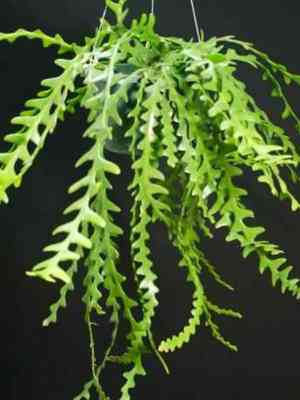
The Rick rack cactus flourishes with about 3 to 6 hours of partial sun each day. This light level helps maintain its distinctive, zigzag-shaped foliage, encouraging healthy growth and flower production. Balancing light is key; too much can cause sunburn, while too little leads to etiolation.
Seasonal Light Adjustments
Light availability varies with seasons, impacting your plant's exposure. In summer, ensure your Rick rack cactus is protected from intense midday sun. During winter, you might need to move it closer to windows or supplement with artificial lighting to compensate for shorter days and weaker light.
Rick Rack Cactus Tolerance to Low Light
Indicators of Insufficient Light
Although the Rick rack cactus is quite adaptable, it will display signs if it's not receiving enough light. Look for elongated stems stretching towards the light sourceâthis is known as etiolation. The foliage may also lose its vibrant color and appear pale.
Adapting to Dim Conditions
If your home lacks adequate natural light, gradually introduce your Rick rack cactus to brighter environments. Begin by moving it to a brighter spot for a few hours daily, progressively increasing the duration. Utilizing grow lights can also provide necessary light supplementation.
Common Sunlight-Related Issues for the Rick Rack Cactus
Sunburn: When Light is Excessive?
Too much sunlight can cause sunburn, resulting in discolored or scorched leaves on your Rick rack cactus. Typically, signs include yellow or brown patches on the foliage. Ensure you introduce gradual changes to increased light exposure rather than abrupt shifts to prevent sunburn.
Etiolation: Consequences of Insufficient Light?
In low light conditions, the Rick rack cactus may become leggy, a state called etiolation. The plant stretches towards the nearest light source, leading to unnatural growth patterns. To prevent this, provide consistent, adequate light levels and occasionally rotate the plant for uniform exposure.
FAQ: Common Questions on Rick Rack Cactus and Sunlight
Can I Cultivate a Rick Rack Cactus Outdoors?
Yes, you can grow the Rick rack cactus outdoors, particularly in shaded patios or gardens where it can receive filtered sunlight. Ensure it is shielded from harsh direct sunlight and extreme weather conditions.
Which Window Orientations are Best?
The best window orientations for the Rick rack cactus are north or east-facing windows. These positions offer gentle morning light and protect the plant from the harsher afternoon sun, thereby promoting optimal growth.



